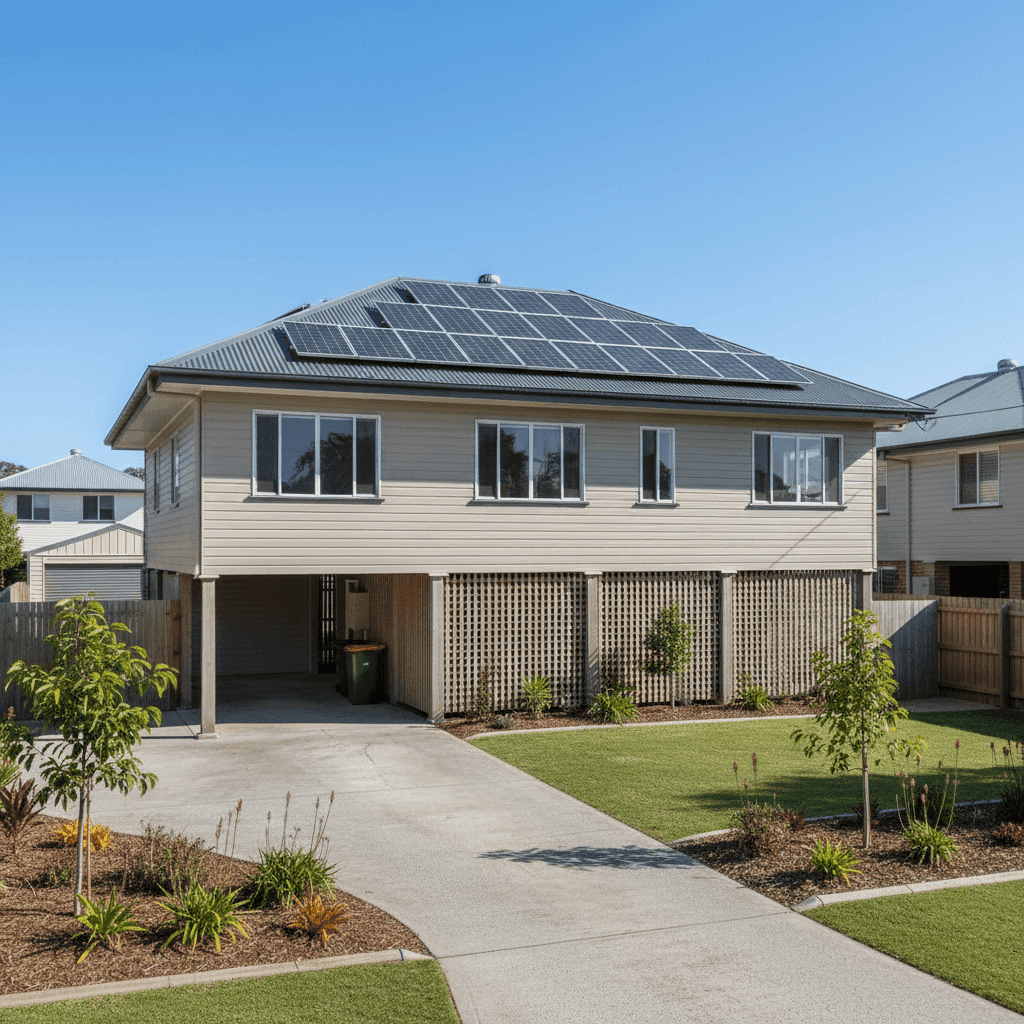
If you own a free standing home in Clontarf, QLD 4019, you're probably no stranger to the annual ritual of deciphering your home insurance renewal notice. Premiums can vary wildly depending on your property's age, construction materials, and location — and understanding what's driving your costs is the first step to making sure you're getting a fair deal.
This article breaks down a real home and contents insurance quote for a 3-bedroom, 1-bathroom free standing home in Clontarf, with a building sum insured of $300,000 and contents valued at $20,000. The annual premium came in at $2,457 (or $235/month), with a $2,000 excess on both building and contents. We've rated this quote as FAIR — around average for the area. Here's what that actually means.
---
Is This Quote Fair?
In short: yes, but there's room to do better. A FAIR rating means the quote is broadly in line with what other homeowners in Clontarf are paying, but it's not the sharpest price on the market.
Based on data from 27 quotes collected in the Clontarf area, the suburb average sits at $2,302/year and the median is $2,273/year. At $2,457, this quote lands about 8% above the local median — not dramatically over the odds, but not a bargain either.
To put it in a broader context, a quarter of Clontarf homeowners are paying $1,665/year or less (the 25th percentile), while the top quarter are paying $2,867 or more. This quote falls comfortably within the middle range, which explains the FAIR rating. If you're happy to invest a little time comparing options, there's a realistic chance of finding a comparable policy for less.
---
How Clontarf Compares
One of the most striking things about this quote is how reasonable it looks when you zoom out to the state and national picture.
| Benchmark | Average Premium | Median Premium |
|---|---|---|
| Clontarf (QLD 4019) | $2,302/yr | $2,273/yr |
| Moreton Bay LGA | $3,435/yr | — |
| Queensland | $9,129/yr | $3,903/yr |
| National | $5,347/yr | $2,764/yr |
Queensland's state average of $9,129/year is heavily skewed by high-risk areas — think cyclone-prone Far North Queensland, where premiums can be eye-watering. The state median of $3,903 is a more realistic yardstick, and Clontarf sits well below it.
Compared to the national average of $5,347 and a national median of $2,764, Clontarf homeowners are generally paying below the national average. This quote at $2,457 also comes in under the national median, which is a positive sign.
Within the Moreton Bay LGA, the average of $3,435 is notably higher than Clontarf's local average, suggesting that Clontarf is one of the more affordable pockets within the region — likely due to its relatively low natural hazard exposure compared to other parts of Moreton Bay.
For a deeper dive into local pricing trends, check out the Clontarf suburb stats page and the Queensland state overview.
---
Property Features That Affect Your Premium
Every home is different, and insurers price risk based on a detailed picture of your property. Here's how the key characteristics of this particular home are likely influencing the premium.
Fibro Asbestos Walls
This is arguably the most significant risk factor for this property. Homes built with fibro asbestos (common in Australian homes constructed before the 1980s) carry higher rebuild costs and more complex repair considerations. Insurers factor in the specialist labour and disposal requirements associated with asbestos-containing materials, which typically pushes premiums up compared to brick or weatherboard homes.
Construction Year: 1953
At over 70 years old, this home is well into the category insurers consider "older stock." Ageing homes can carry higher risk of electrical faults, plumbing issues, and structural wear — all of which can translate to higher premiums. That said, a well-maintained older home can still attract competitive quotes.
Stump Foundation
Homes on stumps (also called pier foundations) are common in Queensland and can be both a blessing and a challenge from an insurance perspective. They allow for good airflow and can reduce flood risk in some scenarios, but they also introduce risks around structural movement and pest damage that insurers consider.
Timber and Laminate Flooring
Timber floors are generally more expensive to repair or replace than concrete slabs, which can nudge premiums slightly higher. However, the impact is usually modest.
Steel / Colorbond Roof
Good news here — Colorbond roofing is well-regarded by insurers for its durability and resistance to fire and weather. It's a positive factor that may help moderate the premium relative to older tile or corrugated iron roofs.
Solar Panels
The property has solar panels installed, which adds some value to the building and represents an additional item insurers need to cover. It's worth confirming with your insurer that your solar system is explicitly included under your building cover, as policy wording can vary.
No Cyclone Risk
Clontarf falls outside designated cyclone risk zones, which is a meaningful premium advantage compared to properties further north in Queensland. This is one reason local premiums are considerably lower than the state average.
---
Tips for Homeowners in Clontarf
1. Shop Around — Even If Your Renewal Looks Reasonable
A FAIR rating means you're not being gouged, but you could still potentially save hundreds of dollars annually by comparing quotes. The gap between the 25th and 75th percentile in Clontarf is over $1,200/year — the market is competitive, and policies vary significantly in price and coverage.
2. Check Your Sum Insured Carefully
A building sum insured of $300,000 for a 130 sqm fibro home in Clontarf should be reviewed against current rebuild costs. Asbestos remediation can significantly increase rebuild expenses, so it's worth using a building calculator or speaking with a quantity surveyor to ensure you're not underinsured.
3. Confirm Solar Panel Coverage
If your solar system isn't explicitly listed in your policy schedule, ask your insurer to clarify. Some policies include it automatically under building cover; others may require a separate endorsement or have sub-limits that apply.
4. Consider Your Excess Level
Both the building and contents excess on this quote are set at $2,000. Opting for a higher excess is one of the most effective ways to reduce your annual premium — just make sure you could comfortably cover that amount out of pocket if you needed to make a claim.
---
Ready to Compare?
Whether you're reviewing your renewal or shopping for the first time, comparing quotes is the smartest move you can make. CoverClub makes it easy to see what multiple insurers would charge for your specific property — no obligation, no hassle.