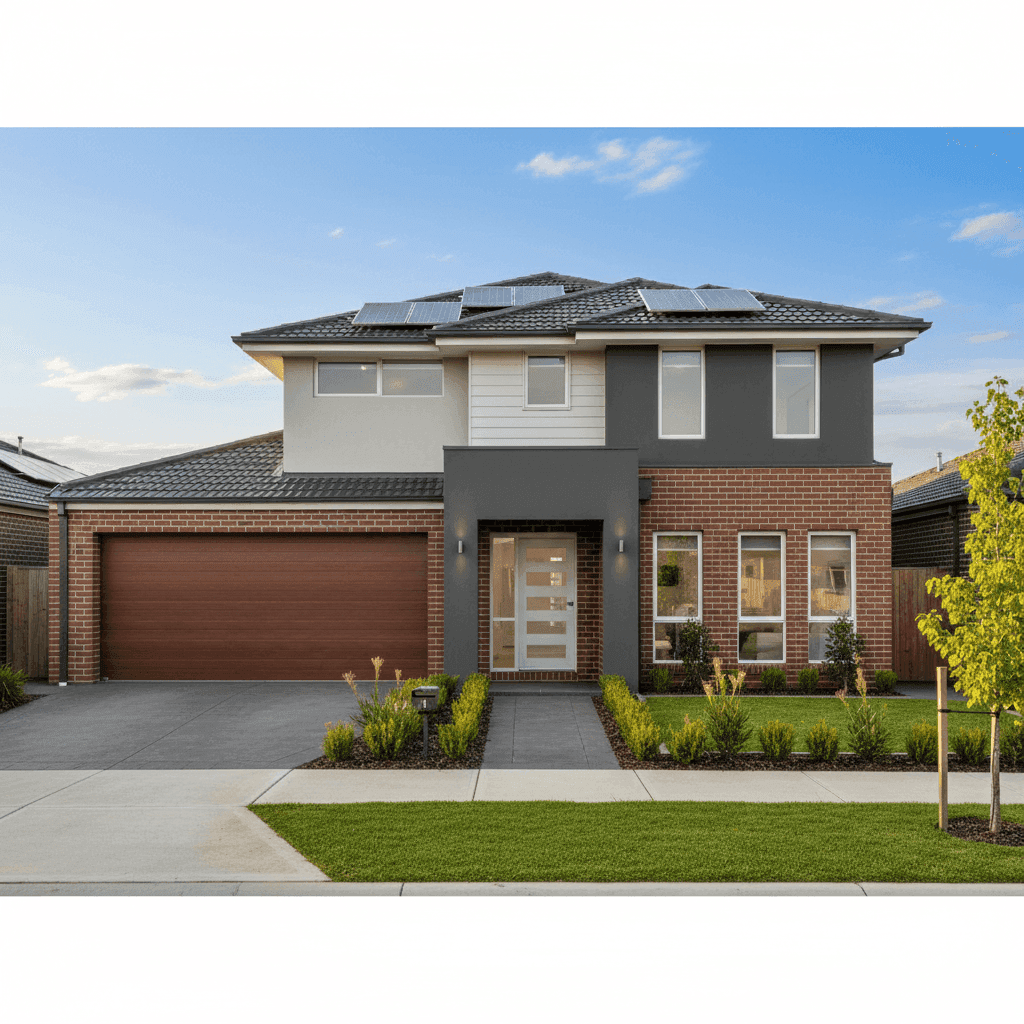
Clyde North, a fast-growing suburb in Melbourne's south-eastern corridor, has become one of Victoria's most popular destinations for families seeking modern, spacious homes. With new estates continuing to develop across the area, it's no surprise that home insurance is top of mind for many residents. This article takes a close look at a real home and contents insurance quote for a five-bedroom, free-standing home in Clyde North (postcode 3978) — breaking down whether the price stacks up and what local homeowners can do to get better value.
---
Is This Quote Fair?
The quote in question comes in at $2,340 per year (or $229 per month) for a combined home and contents policy, covering a building sum insured of $1,100,000 and contents valued at $200,000, each with a $1,000 excess.
Our price rating for this quote is Expensive — above average for the Clyde North area.
To put that in perspective, the suburb average premium sits at $1,630 per year, with a median of $1,470. This quote lands well above the 75th percentile for the suburb ($1,900/yr), meaning it's pricier than roughly three-quarters of comparable quotes we've seen in the area. Based on our sample of 123 quotes from Clyde North, this premium is notably elevated relative to local benchmarks.
That said, context matters. The property is a large, 315 sqm home built in 2020 with a high building sum insured of $1.1 million — significantly above what a smaller or older home might require. The contents cover of $200,000 also adds meaningfully to the total premium. When you factor in the size and value of what's being insured, the gap narrows somewhat — but there's still likely room to shop around.
---
How Clyde North Compares
Understanding where Clyde North sits in the broader insurance landscape helps put this quote in sharper focus.
| Benchmark | Premium |
|---|---|
| Clyde North suburb average | $1,630/yr |
| Clyde North suburb median | $1,470/yr |
| Cardinia LGA average | $3,089/yr |
| Victoria state average | $3,000/yr |
| Victoria state median | $2,718/yr |
| National average | $5,347/yr |
| National median | $2,764/yr |
Clyde North actually fares quite well compared to the broader Cardinia LGA average of $3,089 and the Victorian state average of $3,000. The suburb's relatively modern housing stock — much of it built within the last decade — likely contributes to lower average premiums across the area, as newer homes tend to carry less structural risk.
Nationally, the picture is even more striking. The national average premium of $5,347 reflects the significant insurance burden faced by homeowners in cyclone-prone, flood-affected, or bushfire-risk regions across Australia. By comparison, Clyde North is a relatively benign risk environment, which keeps local premiums more manageable.
You can explore detailed premium data for the suburb at CoverClub's Clyde North stats page, compare it against Victoria-wide figures, or view the national insurance landscape.
---
Property Features That Affect Your Premium
Several characteristics of this particular home influence what insurers charge — some working in the owner's favour, others pushing the premium higher.
Brick veneer construction is generally viewed favourably by insurers. It offers solid fire resistance and durability compared to timber-framed or clad exteriors, which can help moderate premiums.
Tiled roof is another positive signal for underwriters. Tiles are durable, fire-resistant, and perform well in most weather conditions — a meaningful factor in Victoria where storms and hail events are not uncommon.
Slab foundation is the standard for modern construction in Melbourne's growth corridors and is typically considered low-risk by insurers, particularly when combined with newer building standards.
Constructed in 2020, this home benefits from modern building codes, which mandate higher standards for structural integrity, waterproofing, and energy efficiency. Newer homes are statistically less likely to experience major structural failures, which insurers reward with more competitive pricing — all else being equal.
Solar panels are worth noting. While they add value to the property, they can also introduce a small degree of additional risk (fire risk from inverter faults, for example) and may need to be explicitly covered under the policy. It's worth confirming with your insurer that solar panels are included in the building sum insured.
Ducted climate control is a high-value fixed installation that should be captured in the building sum insured. At 315 sqm across a five-bedroom, four-bathroom home, the replacement cost of all fixtures, fittings, and systems is substantial — which helps explain the $1.1 million building sum insured.
Timber and laminate flooring can be a consideration for contents or building cover depending on the policy wording. It's worth checking whether floor coverings are treated as a building or contents item under your specific policy.
---
Tips for Homeowners in Clyde North
1. Shop around — seriously This quote sits above the suburb's 75th percentile, which suggests there may be more competitive options available for the same level of cover. Even a saving of $300–$500 per year adds up significantly over time. Use a comparison tool like CoverClub to quickly see what other insurers are offering for your specific property.
2. Review your sum insured carefully A $1.1 million building sum insured is substantial, and while it may be entirely appropriate for a 315 sqm home with high-quality fittings, it's worth getting a professional building replacement cost assessment to ensure you're neither underinsured nor paying for more cover than you need. Overinsuring can quietly inflate your annual premium.
3. Confirm solar panel coverage Solar panels are a common feature in newer Clyde North homes, but not all policies cover them automatically as part of the building. Ask your insurer directly whether your system — including inverters and mounting hardware — is included in your building sum insured, and at what value.
4. Consider your excess strategically Both the building and contents excess are set at $1,000. Opting for a higher excess (say, $2,000 or $2,500) can meaningfully reduce your annual premium. If you have an emergency fund and wouldn't be claiming for smaller incidents, a higher excess is often a smart trade-off.
---
Compare Your Home Insurance with CoverClub
Whether you're a new homeowner in Clyde North or simply due for a policy review, it pays to compare. CoverClub makes it easy to see real premium data for your suburb and get quotes tailored to your property. Start comparing today and make sure you're not paying more than you need to for the cover your home deserves.