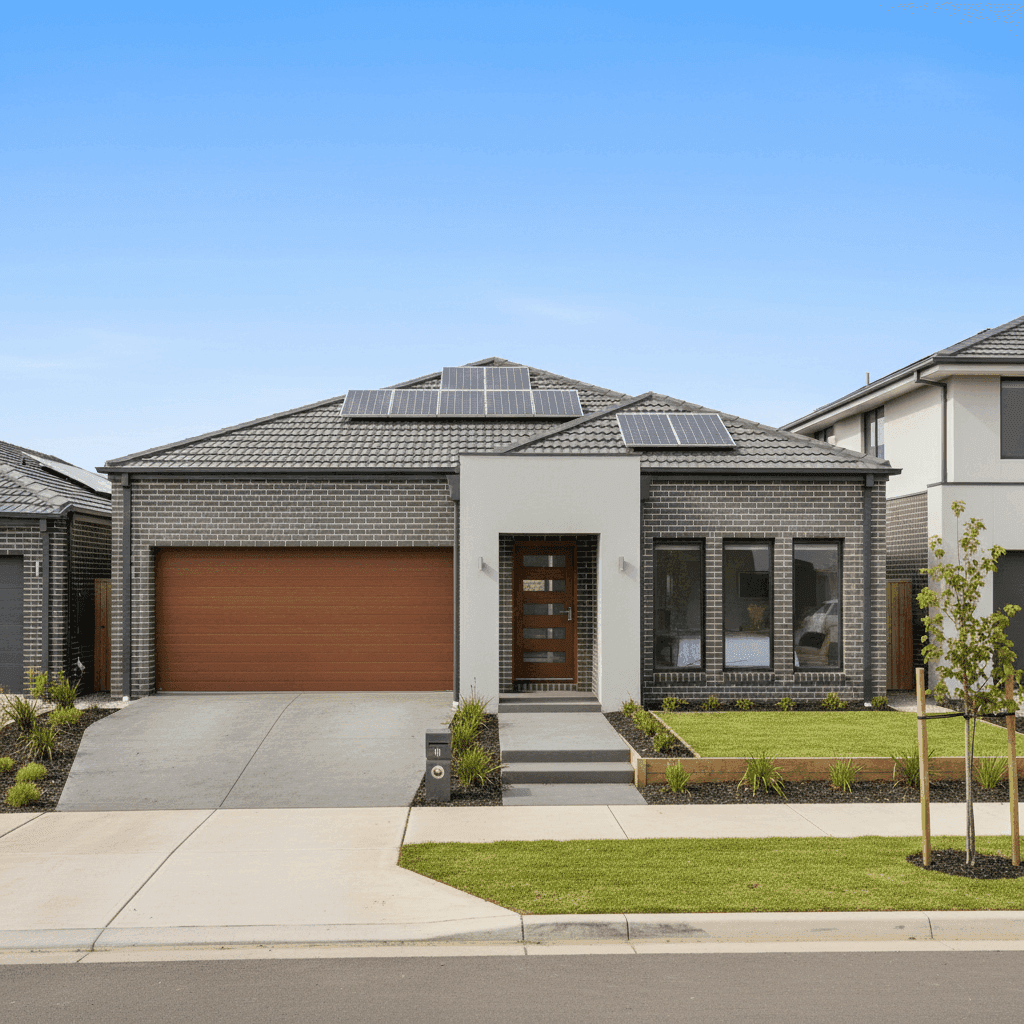
Clyde, a fast-growing suburb on Melbourne's south-eastern fringe, has seen a wave of new residential development in recent years — and with that growth comes the very real need for solid home insurance. This article takes a close look at a home and contents insurance quote for a four-bedroom, two-bathroom free standing home in Clyde (postcode 3978), breaking down what's driving the premium, how it stacks up against local and national benchmarks, and what you can do to make sure you're getting value for money.
---
Is This Quote Fair?
The quote in question comes in at $1,436 per year (or around $140 per month), covering a building sum insured of $548,000 and $50,000 worth of contents, each with a $500 excess. CoverClub's pricing engine rates this as Fair — Around Average.
That's a reasonable result. The premium sits below both the suburb average of $1,599/yr and the suburb median of $1,558/yr, meaning this homeowner is paying less than the typical Clyde property owner for comparable cover. It's not the cheapest quote available in the area — the 25th percentile sits at $1,031/yr — but it's well clear of the more expensive end of the market, where premiums climb past $1,971/yr at the 75th percentile.
For a newly built home with above-average fittings, a generous building sum insured, and solar panels included in the risk profile, landing near the middle of the local range is a solid outcome. There may be room to push the price lower with some targeted adjustments (more on that below), but there's no immediate cause for concern here.
---
How Clyde Compares
One of the most striking takeaways from this quote is just how affordable Clyde is relative to broader Victoria and the rest of the country.
| Benchmark | Average Premium | Median Premium |
|---|---|---|
| Clyde (3978) | $1,599/yr | $1,558/yr |
| Victoria (VIC) | $2,921/yr | $2,694/yr |
| Australia (National) | $2,965/yr | $2,716/yr |
| Cardinia LGA | $3,491/yr | — |
The numbers tell a compelling story. The suburb average for Clyde sits at roughly 45% below the Victorian state average and nearly 46% below the national average. Even more striking is the comparison against the broader Cardinia LGA average of $3,491/yr — Clyde homeowners are paying dramatically less than many of their neighbours in surrounding areas.
This reflects a few key factors: Clyde is predominantly a new housing estate, meaning the building stock is modern, well-constructed, and less prone to the maintenance-related claims that can inflate premiums in older suburbs. It also sits outside designated cyclone risk zones, and while Melbourne's weather can be unpredictable, the area doesn't carry the elevated storm or flood risk profiles seen in parts of regional Victoria or Queensland.
For broader Victorian home insurance data, or to see how your suburb compares nationally, visit our national insurance statistics page.
---
Property Features That Affect Your Premium
Every property is different, and insurers weigh up a range of characteristics when calculating your premium. Here's how the key features of this particular home come into play:
Brick Veneer Walls & Tiled Roof Brick veneer is one of the most common — and insurer-friendly — construction types in Australian residential property. It offers solid fire resistance and structural durability, which generally translates to more competitive premiums. A tiled roof similarly signals longevity and lower replacement risk compared to, say, corrugated iron or older fibrous cement materials.
New Build (2024) A home constructed in 2024 benefits from compliance with modern building codes, including improved fire safety standards, energy efficiency requirements, and structural integrity benchmarks. Insurers typically view new builds favourably, as the likelihood of a claim driven by building defects or wear and tear is significantly lower.
Slab Foundation & Timber/Laminate Flooring Concrete slab foundations are the standard for new estates in Melbourne's growth corridors and are generally considered low-risk by underwriters. Timber and laminate flooring, while stylish, can be more susceptible to water damage than tiles — something worth keeping in mind if you ever experience a burst pipe or appliance leak.
Solar Panels The presence of solar panels adds a modest layer of complexity to the risk profile. Panels represent a real asset value on the roof and can be damaged by hail, storms, or fire. It's worth confirming with your insurer that your solar system is explicitly covered under your building policy, including inverters and mounting hardware.
Above-Average Fittings Above-average fittings — think stone benchtops, quality appliances, premium tapware — increase the cost to rebuild or repair, which is reflected in the higher building sum insured of $548,000. This is appropriate for a home of this standard, and underinsuring to save on premiums would be a false economy.
Ducted Climate Control Ducted heating and cooling systems are a meaningful asset and a potential source of claims (think refrigerant leaks or electrical faults). Ensuring your policy covers fixed mechanical systems is important for homes with this kind of infrastructure.
---
Tips for Homeowners in Clyde
1. Review Your Sum Insured Annually Construction costs in Victoria have risen sharply over the past few years. The $548,000 building sum insured may be appropriate today, but it's worth reassessing each year at renewal to ensure it reflects current rebuild costs — not the figure you set when you first took out the policy. Underinsurance is one of the most common and costly mistakes Australian homeowners make.
2. Confirm Solar Panel Coverage Not all home insurance policies automatically cover solar panel systems to their full replacement value. Ask your insurer specifically whether your panels, inverter, and mounting system are covered for storm damage, hail, and accidental breakage — and check whether there's a sub-limit that might leave you out of pocket.
3. Consider Increasing Your Excess to Lower Your Premium With the 25th percentile for Clyde sitting at $1,031/yr, there's clearly room in the market for lower premiums. One lever you can pull is increasing your excess from $500 to $1,000 or more. If you have a healthy emergency fund and are unlikely to make small claims, a higher excess can meaningfully reduce your annual outlay.
4. Bundle and Compare at Renewal Insurance loyalty rarely pays off in Australia. At each renewal, it's worth running a fresh comparison — especially as new insurers enter the market and pricing models evolve. Bundling home and contents (as this policy does) often attracts a discount, but that doesn't mean you're automatically getting the best combined rate available.
---
Ready to Compare Home Insurance in Clyde?
Whether you're a first-time buyer in one of Clyde's new estates or a long-term resident reviewing your existing cover, comparing quotes is the single most effective way to make sure you're not overpaying. CoverClub makes it simple to see real quotes side by side, with suburb-level data to help you understand what's fair.