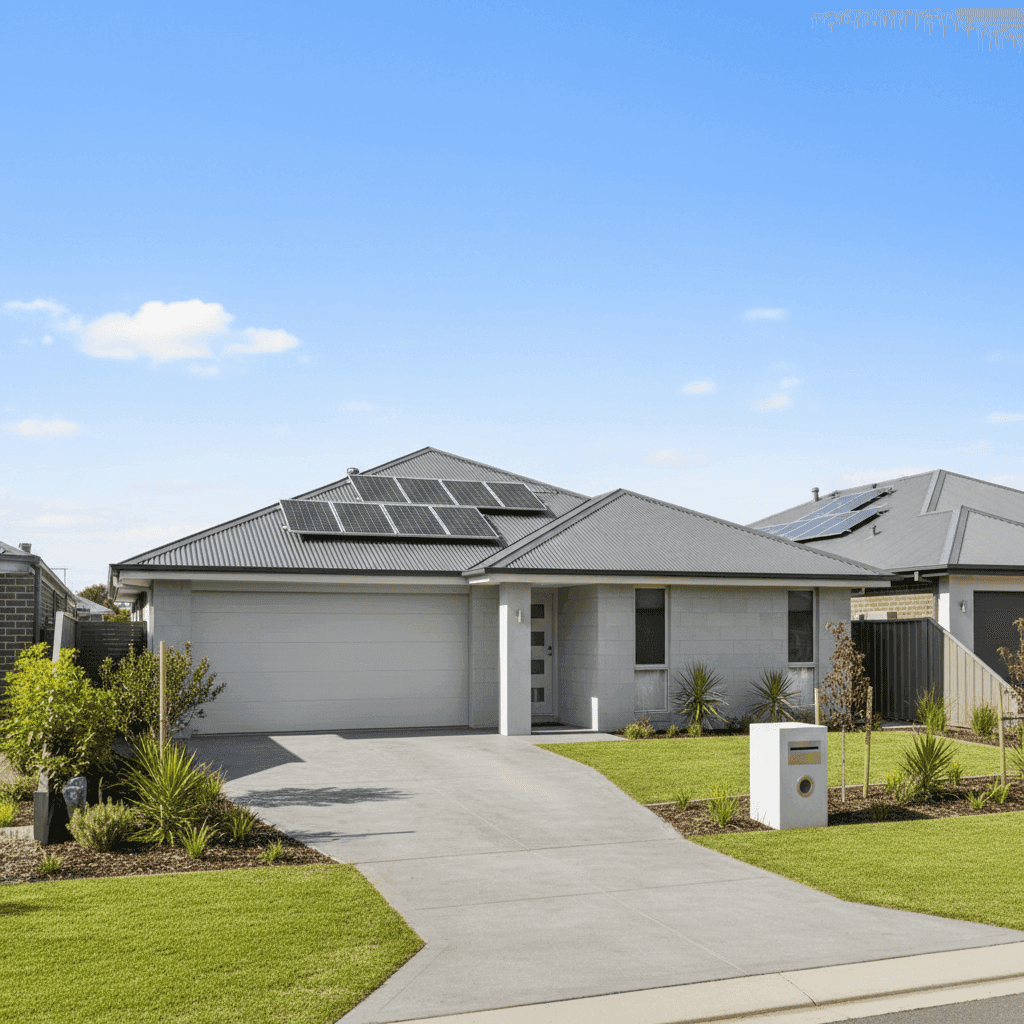
Clyde, a fast-growing suburb on Melbourne's south-eastern fringe, has attracted a wave of new homeowners in recent years — and with new builds springing up across the area, understanding the true cost of home insurance has never been more important. This article breaks down a real home and contents insurance quote for a two-bedroom, two-bathroom free standing home in Clyde (postcode 3978), and puts the numbers into context against local, state, and national benchmarks.
---
Is This Quote Fair?
The quote in question comes in at $1,374 per year (or $132 per month), covering a building sum insured of $482,000 and contents valued at $74,000, with a $1,000 excess on both building and contents claims.
Our price rating for this quote is FAIR — Around Average, which is a reasonable result for this type of property. Here's what that means in practice:
- The quote sits below the Clyde suburb average of $1,576/yr and also under the suburb median of $1,449/yr.
- It falls within the interquartile range for the suburb — between the 25th percentile ($1,196/yr) and the 75th percentile ($1,874/yr) — meaning it's squarely in the middle of what most Clyde homeowners are paying.
- Compared to the Victorian state average of $3,000/yr, this quote is remarkably competitive, coming in at less than half the statewide figure.
- Against the national average of $5,347/yr, the saving is even more pronounced.
So while "Fair" might sound underwhelming, in this context it means the policyholder is paying a reasonable market rate for their suburb — and well below what many Australians are shelling out elsewhere. That said, there's still room to explore whether a better deal is available, particularly given the property's favourable risk profile.
---
How Clyde Compares
To appreciate what this quote really means, it helps to zoom out and look at the broader pricing landscape. Based on 54 quotes collected for the Clyde area:
| Benchmark | Premium |
|---|---|
| This quote | $1,374/yr |
| Clyde suburb average | $1,576/yr |
| Clyde suburb median | $1,449/yr |
| Clyde 25th percentile | $1,196/yr |
| Clyde 75th percentile | $1,874/yr |
| Cardinia LGA average | $3,089/yr |
| VIC state average | $3,000/yr |
| National average | $5,347/yr |
The gap between Clyde's suburb average and the broader Victorian state average is striking — Clyde homeowners are paying roughly half of what the typical Victorian pays. This is likely driven by the suburb's relatively modern housing stock, lower flood and bushfire risk compared to many regional Victorian areas, and the absence of cyclone exposure.
When you look at the national picture, the contrast is even starker. The national average of $5,347/yr is heavily influenced by high-risk regions in Queensland and Western Australia — particularly areas prone to cyclones, flooding, and severe storms. Clyde's location in Melbourne's outer south-east puts it in a comparatively benign risk zone, which insurers reward with lower premiums.
---
Property Features That Affect Your Premium
Several characteristics of this particular property work in the homeowner's favour when it comes to insurance pricing:
Hebel (AAC) External Walls Autoclaved Aerated Concrete (AAC), commonly known by the brand name Hebel, is a modern lightweight panel system widely used in new Victorian builds. It offers good fire resistance and is considered a low-risk construction material by most insurers — a positive factor for premium calculations.
Steel/Colorbond Roof Colorbond steel roofing is highly regarded by insurers. It's durable, resistant to ember attack (important in areas near grasslands), and performs well in high-wind events. This is a meaningful advantage over older tile or terracotta roofs.
Slab Foundation Concrete slab foundations are standard for new builds in Melbourne's growth corridors and are generally viewed favourably by insurers due to their stability and resistance to subsidence.
New Build (2025 Construction) A brand-new home carries significantly lower risk of structural issues, outdated wiring, or plumbing failures compared to older properties. Insurers typically price newer homes more competitively.
Solar Panels Solar panels are increasingly common on Australian homes, and most modern home insurance policies include cover for them as a fixed fixture. However, it's worth confirming your policy explicitly covers panels for accidental damage, storm damage, and theft — not all policies treat them the same way.
Ducted Climate Control Ducted systems are a higher-value inclusion than split systems and contribute to the overall contents and building valuation. Ensuring your sum insured accurately reflects the replacement cost of these systems is important.
Timber/Laminate Flooring While not a major risk factor, timber and laminate floors can be more susceptible to water damage than tiles. This is worth keeping in mind if you're reviewing your contents or building cover limits.
---
Tips for Homeowners in Clyde
1. Review Your Building Sum Insured Annually Construction costs in Victoria have risen significantly in recent years. A building sum insured of $482,000 for a new two-bedroom home may be appropriate today, but it's worth reassessing each year at renewal. Underinsurance is one of the most common and costly mistakes homeowners make — if your rebuild cost exceeds your sum insured, you'll be out of pocket for the difference.
2. Confirm Solar Panel Cover With solar panels on the roof, double-check your policy's Product Disclosure Statement (PDS) to confirm how panels are covered. Some policies cover them under building, others under contents, and coverage for mechanical breakdown versus storm damage can vary widely between insurers.
3. Shop Around at Renewal Even though this quote rates as "Fair," the difference between the 25th and 75th percentile in Clyde is nearly $700 per year — a meaningful sum. Loyalty doesn't always pay in insurance, and comparing quotes at renewal could shift you from the middle of the market toward the lower end without sacrificing cover quality.
4. Consider Your Excess Strategy Both the building and contents excess sit at $1,000. Opting for a higher voluntary excess (say, $2,000 or $2,500) can noticeably reduce your annual premium if you're comfortable absorbing a larger out-of-pocket cost in the event of a claim. Conversely, if cashflow is a concern, a lower excess may be worth the slightly higher premium.
---
Get a Better Deal on Home Insurance
Whether you're a new homeowner in Clyde or coming up to renewal, it pays to compare. CoverClub makes it easy to see real quotes side by side, so you can make an informed decision rather than just rolling over your existing policy. Get a home insurance quote today and find out where your premium sits relative to your neighbours.