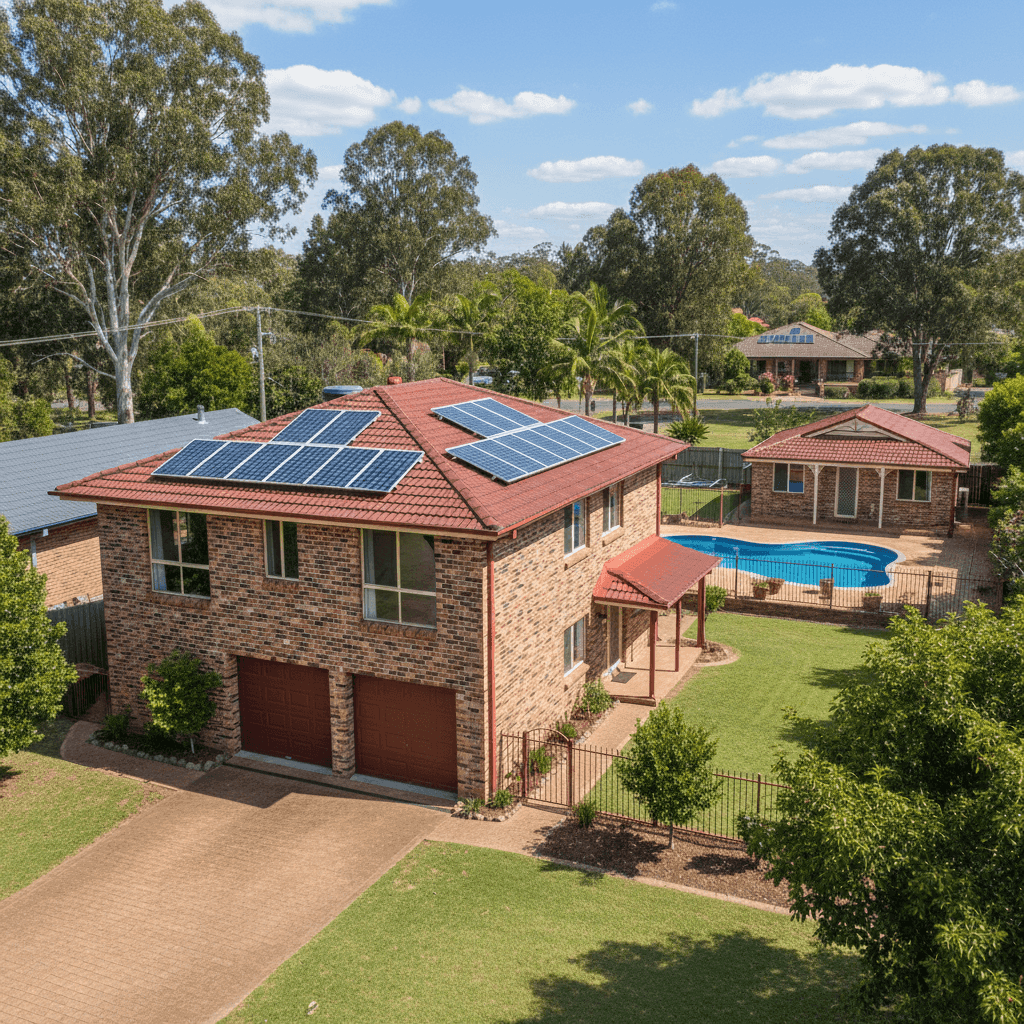
Home insurance costs in Queensland can vary enormously from one suburb to the next — and Coalfalls, QLD 4305 is no exception. This article takes a close look at a real home and contents insurance quote for a four-bedroom, three-bathroom free standing home in this Ipswich-area suburb, and puts the numbers into context using suburb, state, and national benchmarks.
---
Is This Quote Fair?
The annual premium for this property came in at $32,543 per year (or $2,925/month), covering a building sum insured of $800,000 and contents valued at $100,000. The building excess is $5,000 and the contents excess is $2,000.
Our pricing analysis rates this quote as Expensive (Above Average) — meaning it sits well above what most comparable properties in the area are paying.
To put that in perspective:
- The suburb median for Coalfalls is just $3,168/yr — meaning this quote is more than 10 times the typical premium paid locally.
- The 75th percentile in the suburb is $6,771/yr, so even the priciest quartile of local quotes is a fraction of this figure.
- The Queensland state average is $9,129/yr, and the national average sits at $5,347/yr — both significantly lower.
It's worth noting that the suburb average of $46,440/yr is inflated by outliers (this sample is based on 16 quotes), which suggests a small number of very high-value or high-risk properties are skewing the mean considerably. The median is a far more reliable benchmark here, and against that measure, this quote is substantially elevated.
That said, the high building sum insured of $800,000 for a 214 sqm home, combined with several premium-influencing features (more on those below), does help explain some of the cost. Still, it's a strong signal that shopping around could yield meaningful savings.
---
How Coalfalls Compares
Here's how the local market stacks up against broader benchmarks for home and contents insurance:
| Benchmark | Annual Premium |
|---|---|
| This Quote | $32,543 |
| Coalfalls Suburb Median | $3,168 |
| Coalfalls Suburb Average | $46,440 |
| Coalfalls 25th Percentile | $2,328 |
| Coalfalls 75th Percentile | $6,771 |
| QLD State Average | $9,129 |
| QLD State Median | $3,903 |
| National Average | $5,347 |
| National Median | $2,764 |
| Scenic Rim LGA Average | $8,744 |
You can explore the full breakdown of local insurance data on the Coalfalls suburb stats page, or compare how QLD performs against the rest of the country on the Queensland state stats page and national stats page.
Queensland homeowners generally pay more than the national average — a reflection of the state's exposure to weather events including storms, flooding, and hail. Even so, this particular quote sits well above the state norm, which warrants a closer look at what's driving the cost.
---
Property Features That Affect Your Premium
Several characteristics of this property are likely contributing to the elevated premium. Let's break them down:
High Building Sum Insured
At $800,000, the insured building value is substantial. Insurers calculate premiums based on the cost to fully rebuild a property, so a higher sum insured directly increases the base premium. It's worth periodically reviewing whether your sum insured accurately reflects current rebuild costs — over-insuring can be just as costly as under-insuring.
Double Brick Construction
Double brick walls are generally viewed favourably by insurers due to their durability and fire resistance. However, they can be more expensive to repair or rebuild than timber or brick veneer, which may push rebuild costs — and therefore premiums — higher.
Tiled Roof
Terracotta or concrete tile roofs are considered a mid-tier risk by most insurers. They're durable and weather-resistant but can crack under impact (such as hail), which may factor into pricing in storm-prone regions like South East Queensland.
Swimming Pool
Pools add to the insured value of the property and introduce additional liability considerations. Most insurers include pool fencing and equipment in building cover, but the added complexity can nudge premiums upward.
Solar Panels
Solar panels are now a standard inclusion on many Queensland homes, but they represent a meaningful asset to insure. Panels are typically covered under building insurance, and their replacement cost is factored into the sum insured.
Ducted Climate Control
Ducted air conditioning systems are a significant fixed asset. Like solar panels, they're generally included under building cover and contribute to the overall rebuild cost estimate.
Granny Flat
The presence of a granny flat adds both floor space and complexity to the insured structure. Whether it's used for extended family or as a rental, insurers treat it as part of the building and price accordingly.
Slab Foundation & Tiled Flooring
A concrete slab foundation is generally considered stable and low-risk. Tiled flooring, while durable, can be costly to replace if damaged — particularly across a 214 sqm home — and this may be reflected in the contents or building valuation.
---
Tips for Homeowners in Coalfalls
If you're looking to get better value on your home and contents insurance, here are some practical steps worth considering:
1. Review Your Sum Insured
An $800,000 building sum insured is significant. Make sure this figure reflects a realistic rebuild cost — not the market value of the land and home combined. Tools like the Cordell Sum Sure Calculator can help you estimate an accurate rebuild figure. Over-insuring is a common and costly mistake.
2. Compare Multiple Quotes
With a premium this far above the suburb median, comparing quotes from a range of insurers is essential. Different providers assess risk differently, and the spread between quotes for the same property can be tens of thousands of dollars. Get a comparison quote at CoverClub to see what other insurers are offering.
3. Consider Your Excess Level
This policy carries a $5,000 building excess and a $2,000 contents excess. Opting for a higher excess is one of the most effective ways to reduce your annual premium — just ensure the excess amount is something you could comfortably cover in the event of a claim.
4. Bundle and Ask for Discounts
Many insurers offer discounts when you hold multiple policies (e.g., home, contents, and car insurance) with them. It's also worth asking directly about loyalty discounts, security system discounts, or any promotions available at renewal time.
---
Ready to Find a Better Deal?
Whether this quote is your current policy or one you're considering, it pays to shop around. CoverClub makes it easy to compare home and contents insurance quotes from a range of Australian insurers — all in one place. Start your comparison today and see if you could be paying less for the same level of cover.