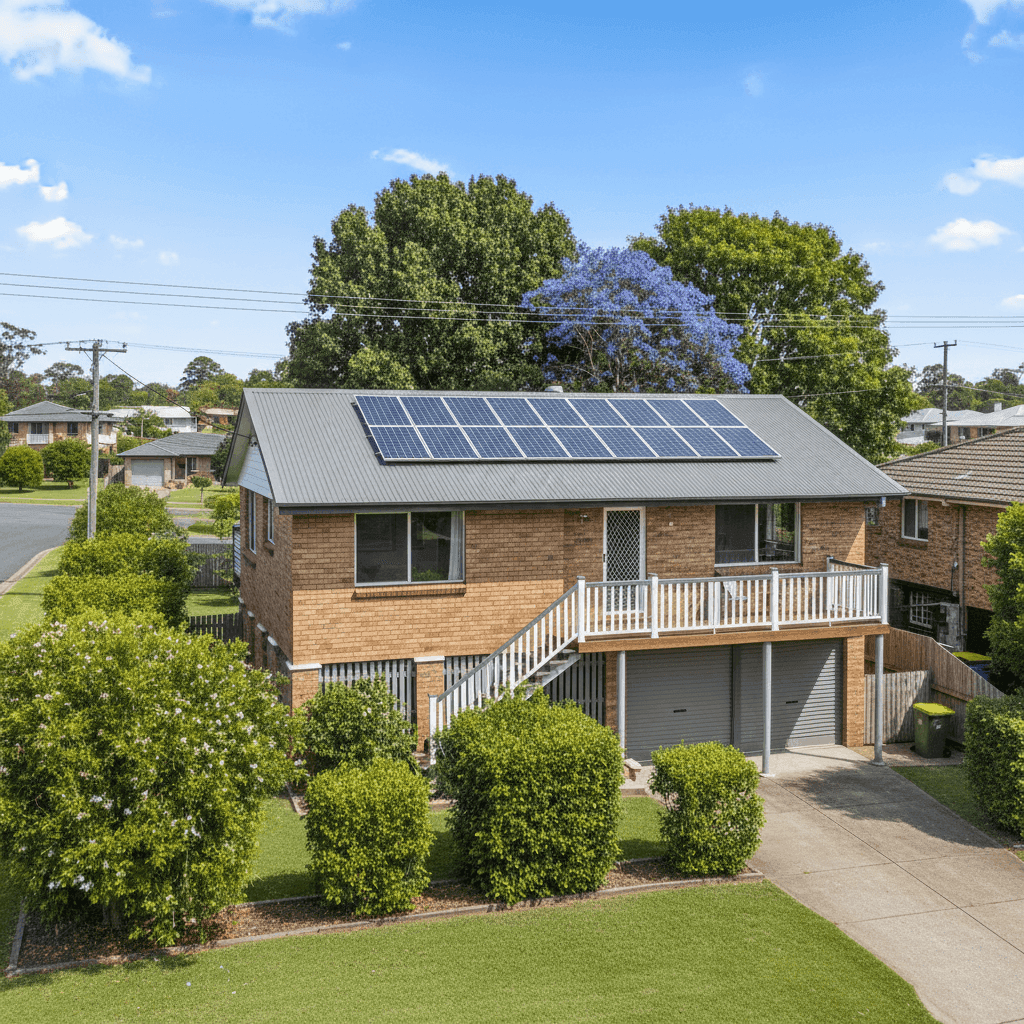
Coalfalls is a quiet, established suburb sitting on the western fringe of Ipswich in South East Queensland. Known for its mix of older homes and family-friendly streets, it's the kind of neighbourhood where a well-built brick veneer house on a slab can stand for decades — and this 4-bedroom, 2-bathroom free-standing home built in 1988 is a solid example. But when it comes to protecting that investment, how does a combined home and contents insurance premium of $5,292 per year (or around $509 per month) stack up? Let's take a closer look.
---
Is This Quote Fair?
The short answer: yes, broadly speaking. This quote has been rated Fair (Around Average), and the numbers back that up.
At $5,292 annually, the premium sits comfortably within the middle range of what Coalfalls homeowners are currently paying. It's above the suburb median of $3,168 but well below the suburb's 75th percentile of $6,771 — meaning roughly a quarter of comparable properties in the area attract even higher premiums. It also lands remarkably close to the national average of $5,347, which is a useful anchor point when gauging value.
The building is insured for $397,000 and contents for $80,000, with a building excess of $3,000 and a contents excess of $1,000. The higher building excess is worth noting — while it reduces the annual premium, it does mean a larger out-of-pocket cost in the event of a significant claim. For a home of this age and construction type, that's a trade-off worth thinking carefully about.
---
How Coalfalls Compares
Digging into the Coalfalls suburb insurance data reveals some interesting patterns — and a few surprises.
| Benchmark | Annual Premium |
|---|---|
| This quote | $5,292 |
| Suburb median | $3,168 |
| Suburb 75th percentile | $6,771 |
| Suburb average | $46,440 |
| QLD state median | $3,903 |
| QLD state average | $9,129 |
| National average | $5,347 |
| National median | $2,764 |
The suburb average of $46,440 looks alarming at first glance, but with only 16 quotes in the sample, it's almost certainly being skewed by one or two outlier properties with very high sum-insured values or unusual risk profiles. The median of $3,168 is a far more reliable indicator of what most Coalfalls homeowners are paying — and this quote sits above that, reflecting the elevated sum insured and the inclusion of contents cover.
Compared to the broader Queensland insurance landscape, where the state average sits at $9,129, this quote looks quite reasonable. The Scenic Rim LGA average of $8,744 further reinforces that point — many properties in this broader region attract significantly higher premiums, often due to flood exposure and storm risk. At $5,292, this Coalfalls homeowner is doing better than many of their regional neighbours.
---
Property Features That Affect Your Premium
Several characteristics of this home play a meaningful role in shaping the premium — some working in the owner's favour, others adding complexity.
Brick veneer construction is generally well-regarded by insurers. It offers solid resistance to fire and wind compared to weatherboard or lightweight cladding, and typically attracts more competitive building premiums as a result.
Steel/Colorbond roofing is another positive. It's durable, low-maintenance, and performs well in Queensland's storm season. Insurers tend to view it more favourably than ageing tile roofs that may be prone to cracking or displacement in high winds.
The elevated foundation — raised by at least one metre — is a double-edged feature in this context. On one hand, elevation can reduce flood inundation risk, which is a significant concern in parts of Ipswich. On the other hand, elevated homes can be more exposed to wind damage and may cost more to repair after a storm event. Insurers weigh both sides.
Solar panels add modest complexity to the risk profile. Panels represent an additional asset on the roof that can be damaged by hail or severe storms, and some policies require specific endorsement to cover them adequately. It's worth confirming with your insurer exactly how your solar system is covered — whether under the building sum insured or as a separate item.
Timber and laminate flooring across 139 square metres of living space is a standard feature for homes of this era, but it's worth noting that water damage to timber floors can be costly. Ensuring your policy includes accidental water damage cover (not just storm-related) is a smart move.
The 1988 construction year places this home in a bracket where some building components — electrical wiring, plumbing, roofing fixings — may be approaching the end of their expected lifespan. Insurers factor age into their risk assessments, and maintaining the property proactively can help avoid claim complications down the track.
---
Tips for Homeowners in Coalfalls
1. Review your building sum insured regularly. Construction costs have risen sharply in recent years across Queensland. A sum insured of $397,000 for 139 square metres may be adequate today, but it's worth cross-checking against a current building cost calculator to ensure you're not underinsured. Rebuilding costs in South East Queensland have climbed significantly since 2020.
2. Confirm your solar panels are properly covered. Many standard home policies don't automatically include solar panels in the building sum insured, or they apply sub-limits. Ask your insurer directly how your system is defined and covered — especially for hail and storm damage, which is a real risk in the Ipswich region.
3. Consider the flood history of your specific block. Coalfalls sits near low-lying areas of Ipswich that have experienced significant flooding. Even if your elevated home has fared well historically, flood cover can vary enormously between policies. Check whether your policy includes flood (not just storm) cover, and review your property's flood overlay on the Ipswich City Council mapping tools.
4. Compare your excess settings. A $3,000 building excess is on the higher end. While it keeps the annual premium down, it means you'll absorb a significant cost before any claim pays out. If your financial buffer is limited, it may be worth requesting a quote with a lower excess to see how the premium changes — the difference is sometimes smaller than people expect.
---
Ready to Find a Better Deal?
Whether you're happy with your current premium or suspect you could be paying less, the best way to know for certain is to compare. CoverClub makes it easy to see what multiple insurers would charge for your specific property — no obligation, no guesswork. Get a home insurance quote today and find out if there's a better deal waiting for you.