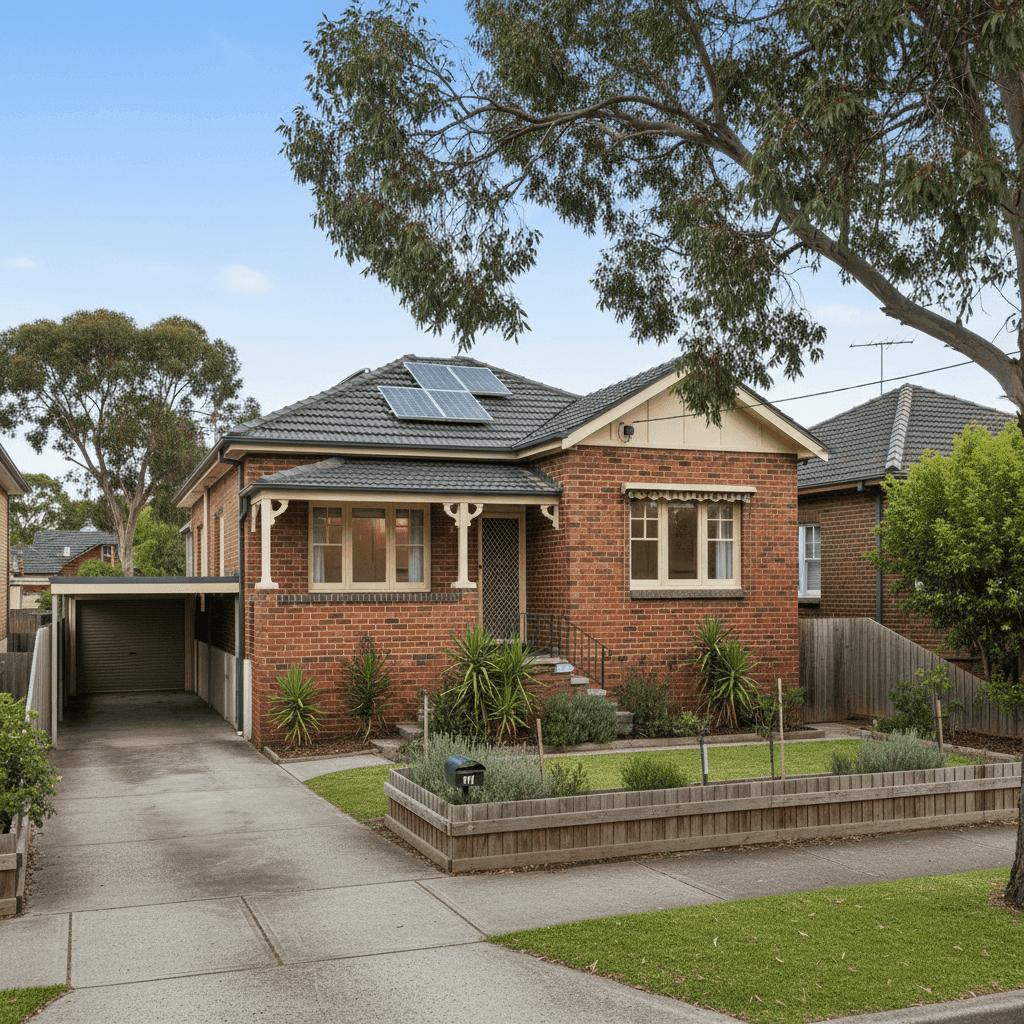
If you own a semi detached home in Coburg North, VIC 3058, you're likely paying close attention to the rising cost of home insurance. This article breaks down a real home and contents insurance quote for a 3-bedroom, 3-bathroom semi detached property in the suburb — and puts it in context against local, state, and national benchmarks to help you understand whether you're getting a fair deal.
---
Is This Quote Fair?
The quote in question comes in at $2,165 per year (or $212/month) for combined home and contents cover, with a building sum insured of $864,000 and contents valued at $249,000. Both the building and contents excess are set at $500.
Our price rating for this quote is FAIR — Around Average.
That assessment holds up well under scrutiny. Based on 63 quotes sampled for Coburg North, the suburb average sits at $2,135/yr and the median at $1,966/yr. This quote lands just above both figures, which places it comfortably within the normal range for the area — not a bargain, but certainly not overpriced either.
To put it more precisely, this quote falls between the suburb median ($1,966) and the 75th percentile ($2,298). That means roughly 50–75% of comparable quotes in Coburg North come in cheaper — but a quarter of the market is actually more expensive. For a property with above-average fittings, solar panels, ducted climate control, and a relatively high building sum insured, this positioning makes sense.
---
How Coburg North Compares
One of the more striking takeaways from this data is just how affordable Coburg North is relative to broader benchmarks.
| Benchmark | Average Premium | Median Premium |
|---|---|---|
| Coburg North (suburb) | $2,135/yr | $1,966/yr |
| LGA – Darebin | $1,733/yr | — |
| Victoria (state) | $2,921/yr | $2,694/yr |
| National | $2,965/yr | $2,716/yr |
Compared to the Victorian state average of $2,921/yr, this quote is $756/yr cheaper — a saving of around 26%. Against the national average of $2,965/yr, the gap is even wider at $800/yr.
Interestingly, the Coburg North suburb average is notably higher than the broader Darebin LGA average of $1,733/yr. This may reflect the mix of property types, construction styles, and sum insured levels across the LGA — Coburg North's inner-suburban character and higher property values likely push premiums above the LGA norm.
Overall, homeowners in Coburg North are in a relatively favourable position compared to many other parts of Victoria and Australia. The suburb doesn't face cyclone risk, and its established urban setting means it avoids some of the bushfire and flood premiums that inflate costs in regional and coastal areas.
---
Property Features That Affect Your Premium
Several characteristics of this particular property influence where the premium lands. Here's how each one plays a role:
Brick Veneer Walls & Tiled Roof
Brick veneer is one of the most common external wall materials in Melbourne's inner suburbs, and insurers generally view it favourably. It offers solid fire resistance and structural durability. Combined with a tiled roof — another reliable, low-maintenance choice — this construction profile tends to attract standard or slightly reduced risk ratings compared to, say, weatherboard or Colorbond alternatives.
Stumps Foundation & Timber/Laminate Flooring
The property sits on stumps and is elevated by less than 1 metre. While stump foundations are typical of older Melbourne homes, this property was built in 2003, suggesting a more modern interpretation. Elevated homes can be slightly more expensive to repair after events like flooding or storm damage, but the sub-1m elevation keeps the risk profile moderate. Timber and laminate flooring can be costly to replace, which is worth keeping in mind when reviewing your contents sum insured.
Above-Average Fittings
Declaring above-average fittings quality is important — and it does push premiums up slightly. This reflects the higher cost of replacing quality fixtures, finishes, and appliances if the property were damaged or destroyed. Underinsuring to save on premiums here would be a false economy.
Solar Panels
Solar panels are now a standard feature on many Australian homes, but they do add to the replacement cost of the building. Insurers increasingly account for this, and it's essential to confirm that your policy explicitly covers rooftop solar as part of the building sum insured.
Ducted Climate Control
Ducted heating and cooling systems are expensive to install and replace. This feature adds meaningful value to the building, and the $864,000 sum insured should factor in full replacement of this system in the event of a total loss.
---
Tips for Homeowners in Coburg North
1. Review Your Building Sum Insured Annually
Construction costs in Melbourne's inner north have risen sharply in recent years. A sum insured that was accurate two years ago may now fall short of full replacement cost. Use a building cost calculator or speak with a quantity surveyor to ensure your $864,000 figure keeps pace with current rebuild costs — especially with above-average fittings and ducted systems to account for.
2. Confirm Solar Panel Coverage
Ask your insurer directly whether your rooftop solar system is covered under the building section of your policy, and whether the sum insured reflects its replacement value. Some policies treat solar panels as a separate item or apply specific sub-limits.
3. Don't Overlook Contents
At $249,000, the contents sum insured is substantial — but it's worth doing a room-by-room audit periodically to check it still reflects reality. Timber flooring, quality appliances, and furnishings add up quickly. Many Australians are underinsured on contents without realising it.
4. Compare Quotes Before Renewal
Given that this quote sits above the suburb median, there may be room to find a comparable policy at a lower price. Insurers don't reward loyalty the way you might expect — shopping around at renewal time is one of the most effective ways to reduce your premium without compromising cover.
---
Ready to Compare?
Whether you're reviewing your current policy or shopping for cover for the first time, comparing multiple quotes is the single best step you can take. At CoverClub, you can get a home and contents quote in minutes and see how your premium stacks up against others in your suburb. Don't settle for the first number you're given — the data shows there's real variation in the market, even within Coburg North.