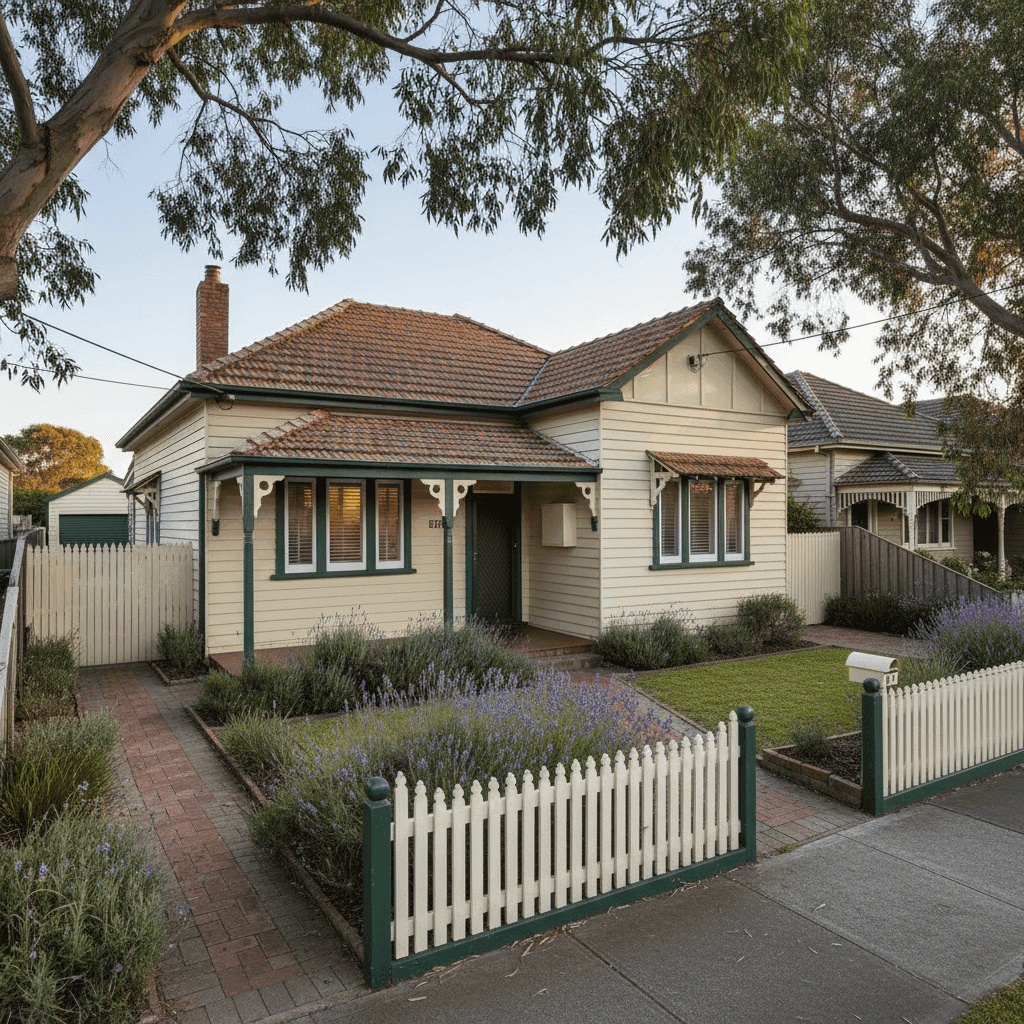
Coburg North is a well-established inner-northern suburb of Melbourne, known for its leafy streets, period homes, and strong sense of community. If you own a free standing home here — particularly one of the many classic weatherboard cottages that define the area — understanding what you should be paying for home and contents insurance is an important part of protecting your investment. This article breaks down a real insurance quote for a 2-bedroom, 1-bathroom free standing home in Coburg North (VIC 3058) and puts it in context against local, state, and national benchmarks.
---
Is This Quote Fair?
The quote in question comes in at $1,260 per year (or $125/month) for combined home and contents cover, with a building sum insured of $522,000 and contents valued at $102,000. The building excess is $3,000 and the contents excess is $1,000.
Our price rating for this quote is CHEAP — Below Average, which is genuinely good news for the homeowner. To put that in perspective:
- The suburb average for Coburg North is $2,135/yr
- The suburb median sits at $1,966/yr
- Even the 25th percentile (the cheapest quarter of quotes in the area) is $1,742/yr
This quote sits well below all of those markers — coming in at roughly 41% less than the suburb average and nearly 36% below even the cheapest quartile of local quotes. That's a meaningful saving, and it suggests this policy has been priced competitively, likely reflecting a combination of the property's characteristics and the insurer's risk assessment at the time of quoting.
It's worth noting that a higher excess — particularly the $3,000 building excess — does contribute to a lower premium. Homeowners should weigh up whether that out-of-pocket cost in the event of a claim is comfortable for their financial situation.
---
How Coburg North Compares
To understand just how well this quote performs, it helps to zoom out and look at the broader picture. You can explore full suburb-level data on the Coburg North insurance stats page, but here's a quick summary:
| Benchmark | Annual Premium |
|---|---|
| This Quote | $1,260 |
| Coburg North Average | $2,135 |
| Coburg North Median | $1,966 |
| Coburg North 25th Percentile | $1,742 |
| Coburg North 75th Percentile | $2,298 |
| Darebin LGA Average | $1,685 |
| VIC State Average | $2,921 |
| VIC State Median | $2,694 |
| National Average | $2,965 |
| National Median | $2,716 |
The figures above are drawn from a sample of 63 quotes in the 3058 postcode, giving a solid statistical base for comparison. Interestingly, Coburg North's suburb average of $2,135 is already well below the Victorian state average of $2,921 — itself slightly below the national average of $2,965. This tells us that inner-northern Melbourne suburbs like Coburg North are generally considered lower risk than many other parts of Victoria and Australia — not surprising given the absence of major flood plains, cyclone zones, or bushfire corridors in this area.
The Darebin LGA average of $1,685 further confirms that this pocket of Melbourne tends to attract more competitive premiums. Even so, this particular quote undercuts the LGA average by over $400 per year.
---
Property Features That Affect Your Premium
Several characteristics of this property are worth examining, as they each play a role in how insurers calculate risk and set premiums.
Weatherboard timber walls are common in Melbourne's older inner suburbs and are generally considered a higher fire risk than brick or rendered masonry. Insurers typically factor this in, which can push premiums slightly higher. That said, weatherboard homes are often beloved for their character and can be well-maintained, which may offset some risk concerns.
Tiled roof is a positive from an insurance perspective. Terracotta and concrete tiles are durable, fire-resistant, and widely used across Victoria. They tend to fare better than Colorbond or corrugated iron in certain weather events, and most insurers view them favourably.
Stump foundations are very typical for homes of this era (built in 1953) in Melbourne's inner suburbs. While stumps can require periodic maintenance and relevelling, they don't generally attract a significant insurance loading unless there's evidence of subsidence or structural issues.
Timber and laminate flooring is standard for this property type and doesn't materially affect premiums one way or another.
The absence of a pool, solar panels, or ducted climate control simplifies the risk profile. Pools add liability exposure, solar panels increase replacement costs, and ducted systems can be expensive to repair — so not having these features can help keep premiums in check.
At 105 sqm, this is a modestly sized home, and the building sum insured of $522,000 reflects current construction costs rather than land value. It's important that this figure is regularly reviewed — underinsurance is a significant risk for older homes where rebuild costs can be surprisingly high due to heritage considerations or the cost of matching original materials.
---
Tips for Homeowners in Coburg North
1. Review your sum insured annually Construction costs have risen sharply in recent years. A home built in 1953 with period features like weatherboard cladding may cost more to rebuild than a comparable modern home. Use a building cost calculator or speak to a builder to make sure your $522,000 sum insured still reflects realistic rebuild costs.
2. Consider your excess carefully This policy carries a $3,000 building excess — higher than many standard policies. While it contributes to a lower premium, it means you'd need to cover that amount out of pocket before your insurer steps in. If you'd struggle to access $3,000 quickly after a claim, it may be worth adjusting your excess upward or downward and comparing the resulting premium.
3. Maintain your weatherboard home proactively Insurers can decline claims or reduce payouts if damage is attributable to lack of maintenance. For weatherboard homes specifically, keeping paintwork in good condition, checking for rot, and ensuring subfloor ventilation is adequate can all protect both your home and your claim eligibility.
4. Shop around at renewal time Even if you're happy with your current premium, the insurance market changes constantly. New insurers enter the market, and risk models are updated regularly. Getting a fresh quote through CoverClub at each renewal takes only a few minutes and could reveal meaningful savings — or confirm you're already getting a great deal.
---
Ready to Compare Home Insurance in Coburg North?
Whether you're a first-time buyer or a long-term resident, making sure you have the right cover at the right price is one of the smartest financial decisions you can make. CoverClub makes it easy to compare home and contents insurance quotes tailored to your property in Coburg North. Get your personalised quote today and see how your premium stacks up against the suburb, state, and national benchmarks.