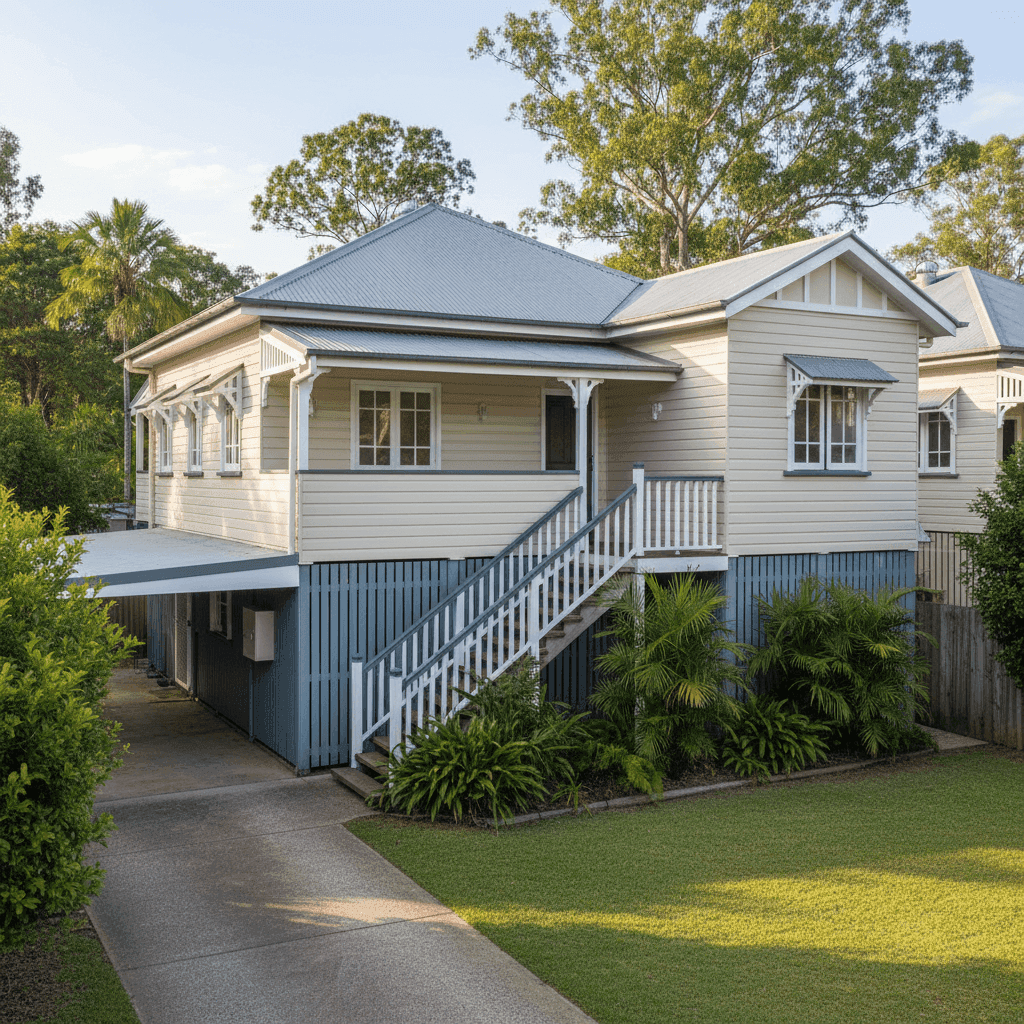
If you own a semi detached home in Coes Creek, QLD 4560, you're probably curious about whether you're paying a fair price for your home and contents insurance. Coes Creek is a quiet residential suburb nestled in the Sunshine Coast hinterland, offering a relaxed lifestyle with easy access to Nambour and the broader Sunshine Coast region. Like many Queensland properties of its era, homes here often carry distinct characteristics — elevated stumped foundations, weatherboard timber walls, and steel roofing — that can meaningfully influence what insurers charge.
In this article, we break down a real home and contents insurance quote for a 3-bedroom, 2-bathroom semi detached property in Coes Creek, compare it against local, state, and national benchmarks, and share practical tips to help you get the best value on your cover.
---
Is This Quote Fair?
The annual premium for this property comes in at $1,651 per year (or about $161 per month), covering a building sum insured of $625,000 and contents valued at $80,000. Our analysis rates this quote as CHEAP — below average — which is great news for the homeowner.
To put that in perspective: Queensland homeowners pay an average of $4,547 per year for home insurance, with a state median of $3,931. Nationally, the average sits at $2,965, with a median of $2,716. This quote comes in dramatically below every one of those benchmarks — roughly 64% cheaper than the Queensland average and 44% cheaper than the national average. That's a significant saving, and it's worth understanding why.
Part of the story is the property itself. While older homes and elevated stumped constructions can sometimes attract higher premiums due to perceived risk, this particular combination of features — a Colorbond steel roof, no pool, no solar panels, and location outside a cyclone risk zone — appears to have worked in the homeowner's favour. The building excess of $3,000 is on the higher side, which typically lowers the base premium, and the contents excess of $600 is fairly standard.
---
How Coes Creek Compares
Without suburb-level data available for Coes Creek specifically, we can look at the broader picture to understand where this quote sits. You can explore Coes Creek insurance statistics as more data becomes available, and compare it against Queensland-wide trends and national insurance data.
Here's a quick snapshot of how this quote stacks up:
| Benchmark | Annual Premium |
|---|---|
| This quote | $1,651 |
| National average | $2,965 |
| National median | $2,716 |
| QLD average | $4,547 |
| QLD median | $3,931 |
| Sunshine Coast LGA average | $4,608 |
The Sunshine Coast LGA average of $4,608 is particularly striking — it's nearly three times the premium quoted here. The Sunshine Coast region includes coastal and flood-prone suburbs that drive up average premiums considerably, so a hinterland suburb like Coes Creek, sitting further from the coast and outside cyclone risk zones, can benefit from a more favourable risk profile.
---
Property Features That Affect Your Premium
Several characteristics of this property are worth examining closely, as they each play a role in how insurers assess risk and calculate premiums.
Elevated Stumped Foundation
This home is elevated by at least one metre on stumps — a hallmark of traditional Queensland architecture. Elevation is generally viewed favourably by insurers when it comes to flood risk, as water is less likely to inundate the living areas during heavy rainfall events. For a region like the Sunshine Coast hinterland, which can experience significant rainfall, this is a meaningful risk mitigant.
Weatherboard Timber Walls
Weatherboard timber is a common external wall material in older Queensland homes, and it's one that insurers assess carefully. Timber can be more susceptible to fire, termite damage, and general wear compared to brick or fibre cement. However, it's not necessarily a premium-killer — insurers price based on the full picture, and well-maintained weatherboard homes in low-risk areas can still attract competitive rates.
Steel / Colorbond Roof
Colorbond steel roofing is widely regarded as a durable, low-maintenance option that holds up well against Australian conditions. It's fire-resistant and performs well in high-wind events. Compared to older tile or fibrous cement roofing, Colorbond is generally seen as a positive factor by insurers.
Timber and Laminate Flooring
The flooring throughout this home is timber and laminate — a premium aesthetic choice but one that can be costly to replace if damaged by water or fire. This is reflected in the contents and building sum insured, and it's worth ensuring your policy covers floor coverings adequately.
Construction Year: 1960
At over 60 years old, this home predates many modern building codes. Older homes can carry higher rebuilding costs per square metre due to non-standard materials and construction methods, which is partly why the building sum insured of $625,000 for 153 sqm is set at a higher rate. Getting a professional building valuation periodically is wise to ensure you're neither under- nor over-insured.
---
Tips for Homeowners in Coes Creek
Whether you're reviewing your current policy or shopping for a new one, here are some practical steps to make sure you're getting the right cover at the right price.
1. Review your building sum insured regularly With construction costs rising across Queensland, the cost to rebuild your home may have changed significantly since you last updated your policy. A 153 sqm semi detached with timber weatherboard walls and a Colorbond roof has specific rebuild costs — make sure your sum insured reflects current rates, not what you paid years ago.
2. Consider your excess settings carefully This quote carries a $3,000 building excess, which is relatively high. While a higher excess reduces your annual premium, it means you'll pay more out of pocket when you make a claim. Think about what you could comfortably afford in an emergency, and adjust accordingly.
3. Don't skip contents cover At $80,000, the contents cover here is a solid starting point. But it's easy to underestimate the value of everything inside your home — furniture, appliances, clothing, electronics, and more. Do a room-by-room inventory periodically to make sure you're not underinsured.
4. Ask about discounts for security and safety features Installing deadbolts, smoke alarms, and monitored security systems can sometimes attract discounts with certain insurers. Even if your current policy doesn't offer them, it's worth asking — or factoring it into your comparison when you next shop around.
---
Compare Your Options with CoverClub
A below-average premium is a great outcome, but the best policy isn't always the cheapest — it's the one that covers you properly when it matters most. Whether you're in Coes Creek or anywhere else across Australia, CoverClub makes it easy to compare home and contents insurance quotes side by side.
Get a personalised quote at CoverClub and see how your current premium stacks up. You might be surprised at what's out there.