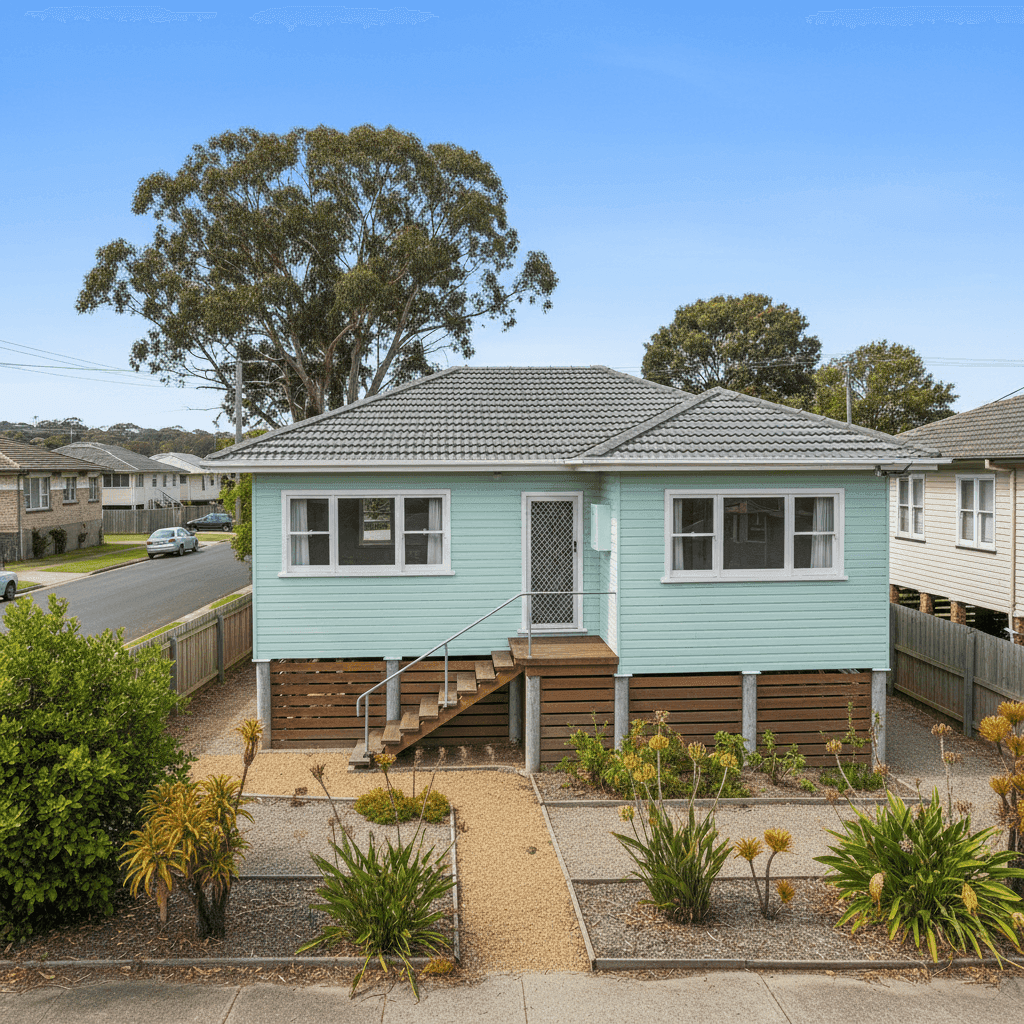
Coffs Harbour is one of the Mid North Coast's most sought-after places to live — a relaxed coastal city with a strong sense of community and a lifestyle that's hard to beat. But owning a home here comes with its own set of insurance considerations, and understanding whether you're paying a fair premium can save you hundreds of dollars a year. This article breaks down a real home and contents insurance quote for a 3-bedroom free standing home in Coffs Harbour (NSW 2450), and puts the numbers in context so you can make a more informed decision.
---
Is This Quote Fair?
The quote in question sits at $5,033 per year (or $482/month) for a combined home and contents policy. The building is insured for $762,000, with $50,000 in contents cover. Both the building and contents excess are set at $5,000.
Based on our pricing data, this quote is rated Expensive — above average for the area. That's not a red flag on its own, but it does warrant a closer look. At $5,033, this premium sits comfortably above the Coffs Harbour suburb average of $3,745/yr and the suburb median of $3,793/yr. In fact, it lands above the 75th percentile for the suburb ($4,471/yr), meaning it's more expensive than roughly three-quarters of comparable quotes we've seen in the area.
That said, several property-specific factors — which we'll explore below — go a long way towards explaining the higher-than-average figure. This isn't necessarily a case of overpaying; it may simply reflect the genuine risk profile of this particular property.
---
How Coffs Harbour Compares
To put this quote in proper perspective, it helps to zoom out and look at the broader pricing landscape.
| Benchmark | Premium |
|---|---|
| This quote | $5,033/yr |
| Coffs Harbour suburb average | $3,745/yr |
| Coffs Harbour suburb median | $3,793/yr |
| NSW state average | $9,528/yr |
| NSW state median | $3,770/yr |
| National average | $5,347/yr |
| National median | $2,764/yr |
A few things stand out here. While this quote looks expensive compared to the Coffs Harbour suburb benchmark, it actually falls below the NSW state average of $9,528/yr — though it's worth noting that state averages can be heavily skewed by high-risk areas like flood-prone inland regions or coastal zones with extreme weather exposure.
Compared to the national average of $5,347/yr, this quote is actually slightly below par — a small but meaningful point of reassurance. The national median of $2,764/yr, however, is considerably lower, which reflects just how wide the spread of premiums can be across Australia depending on location, property type, and risk factors.
It's also worth noting that the LGA average for Clarence Valley sits at a striking $31,244/yr — a figure driven by high-risk properties in flood-affected parts of the region. By comparison, Coffs Harbour's own suburb data (based on 60 quotes) tells a much more moderate story.
---
Property Features That Affect Your Premium
Several characteristics of this property are likely contributing to the above-average premium. Understanding these factors can help you have a more productive conversation with your insurer.
Fibro Asbestos Walls
This is arguably the most significant risk factor. Homes built with fibro asbestos cladding — common in Australian construction from the 1940s through to the early 1980s — attract higher premiums due to the specialist handling and disposal requirements involved in any repair or rebuild. Disturbing asbestos-containing materials requires licensed contractors and careful remediation, which significantly increases the cost of a claim. This property, built in 1963, falls squarely within that era.
Age of Construction (1963)
Older homes generally carry higher rebuild risk. Electrical wiring, plumbing, and structural elements may not meet current building codes, and sourcing period-appropriate materials for repairs can be more costly. A 1963 build will typically attract a higher premium than a comparable home built in the last decade.
Elevated on Stumps
The property sits elevated by at least one metre on stumps — a classic Queensland-influenced design that was also popular in coastal NSW. While elevated homes can offer some protection from minor flooding and improved airflow, the subfloor space and timber stumps introduce their own risks, including potential for structural movement, pest damage, and the added complexity of underfloor repairs.
Timber and Laminate Flooring
Timber floors, while beautiful, are more susceptible to water damage and warping than tile or concrete alternatives. In the event of a burst pipe or storm-related water ingress, timber flooring can be expensive to replace — particularly in a home of this size (153 sqm).
Concrete Roof
On the positive side, a concrete roof is among the more durable roofing materials available. It offers good resistance to fire and wind, which may help moderate the premium compared to properties with older iron or tile roofing in poor condition.
Ducted Climate Control
The presence of ducted air conditioning adds to the insured value of the home's fixtures and fittings, contributing modestly to the overall premium.
---
Tips for Homeowners in Coffs Harbour
If you're looking to get better value on your home insurance without compromising on cover, here are four practical steps worth considering.
1. Shop around — seriously. With a 60-quote sample showing a suburb 25th percentile of just $2,403/yr, there's clearly a wide range of pricing available in Coffs Harbour. Don't assume your current insurer is offering you the best deal. Comparing multiple quotes is the single most effective way to reduce your premium.
2. Review your sum insured. At $762,000, the building sum insured is substantial. It's worth checking whether this accurately reflects the rebuild cost of your home (not the market value), as over-insuring can lead to unnecessarily high premiums. A quantity surveyor can provide a professional rebuild estimate.
3. Ask about asbestos disclosure and management. If you've had an asbestos audit done or have taken steps to safely manage or encapsulate existing fibro materials, let your insurer know. Some insurers may factor this into their risk assessment.
4. Consider your excess level. This policy carries a $5,000 excess on both building and contents — a relatively high threshold. While a higher excess typically reduces your premium, make sure you're comfortable covering that amount out of pocket in the event of a claim. If cash flow is a concern, it may be worth modelling the cost difference at a lower excess point.
---
Compare Your Options with CoverClub
Whether you're a long-time Coffs Harbour local or new to the area, it pays to make sure your home insurance is working as hard as you are. CoverClub makes it easy to compare home and contents quotes side by side, so you can see exactly what you're getting — and what you might be missing. Get a quote today at CoverClub and find out if there's a better deal waiting for you.