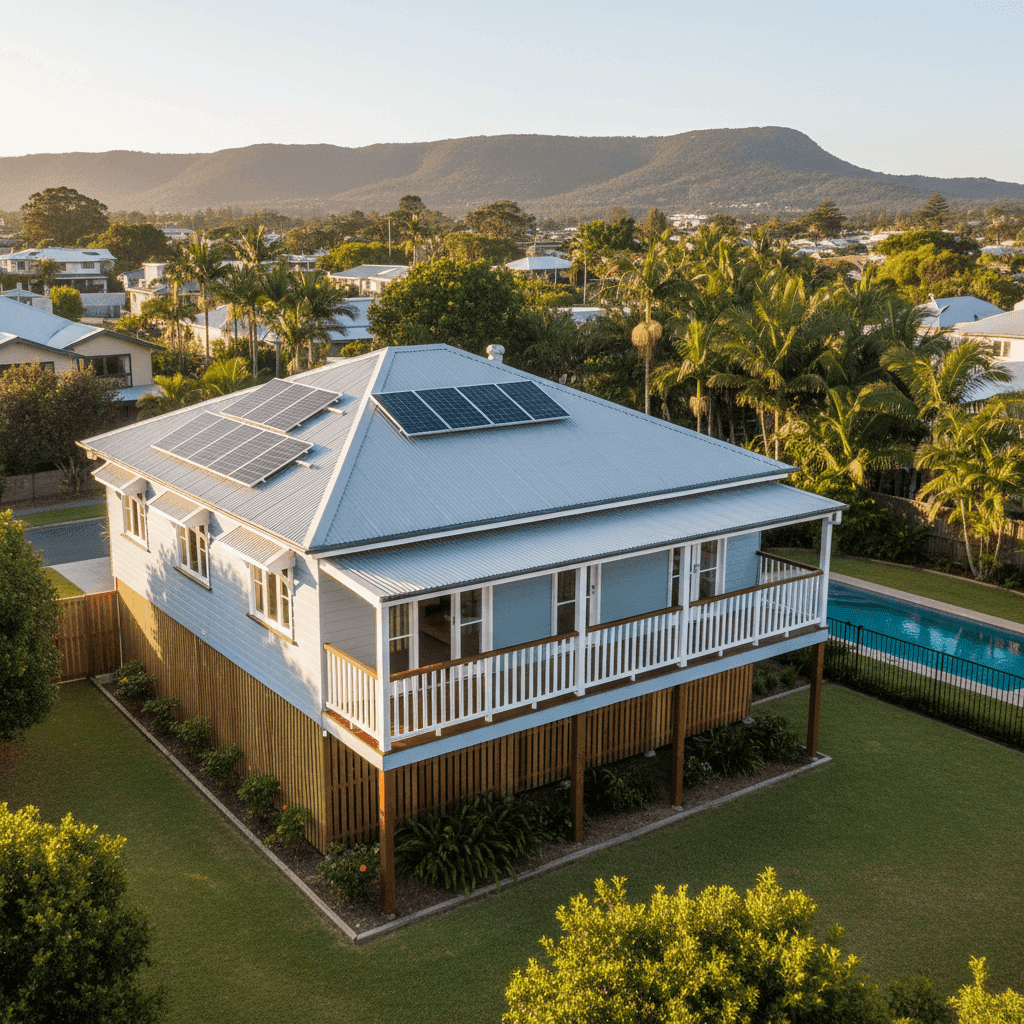
Coledale is a quietly stunning coastal village tucked between the Illawarra Escarpment and the Pacific Ocean, sitting about 25 kilometres north of Wollongong. It's the kind of place where heritage weatherboard homes perch on stumps above lush gardens, and the ocean breeze is a daily given. But that enviable lifestyle comes with its own insurance story — and for homeowners here, understanding what drives your premium is essential to making sure you're getting a fair deal.
This article breaks down a real home and contents insurance quote for a four-bedroom, two-bathroom free-standing home in Coledale, examining whether the price stacks up and what property features are likely pushing the needle.
---
Is This Quote Fair?
The quote in question comes in at $6,255 per year (or $593 per month) for combined home and contents cover, with a building sum insured of $1,251,000 and contents valued at $99,000. Both the building and contents carry a $2,000 excess.
Our price rating for this quote is Expensive — above average — and the numbers back that up clearly.
- NSW state average: $3,801/yr
- NSW state median: $3,410/yr
- National average: $2,965/yr
- National median: $2,716/yr
- Wollongong LGA average: $2,751/yr
At $6,255, this premium is 64% above the NSW state average and more than double the national average. Even within the Wollongong LGA — which includes a wide range of property types and risk profiles — this quote is sitting at roughly 2.3 times the local average.
That's a significant gap, and while some of it is explained by the property's specific features (more on that below), it's also a strong signal that shopping around could yield meaningful savings. Premiums for the same property can vary by thousands of dollars between insurers, and this quote is a prime candidate for comparison.
---
How Coledale Compares
Without suburb-level aggregated data available for postcode 2515, we're working with state and LGA benchmarks — but they still tell a compelling story. You can explore Coledale-specific insurance stats on CoverClub as more data becomes available, and compare it against NSW-wide figures or the national picture.
What we do know is that Coledale sits in a geography that insurers treat with a degree of caution. The suburb is coastal, flanked by steep terrain, and prone to the kinds of weather events — heavy rainfall, storm surge risk, strong winds — that drive up premiums across the Illawarra region. The Wollongong LGA average of $2,751/yr suggests that many homes in the area are insured at more moderate rates, but properties with elevated rebuild costs and specific risk features can sit well above that benchmark.
---
Property Features That Affect Your Premium
Several characteristics of this particular property are likely contributing to its above-average premium. Here's what stands out:
Weatherboard Timber Walls
Weatherboard homes are beloved for their character and charm, but from an insurer's perspective, timber external walls carry a higher fire risk and are more vulnerable to storm and moisture damage than brick veneer or full brick construction. This typically results in a higher building premium.
Stump Foundation
Homes built on stumps — common in older coastal and hinterland properties — are elevated above ground, which can be a positive in flood-prone areas. However, the foundation type also introduces unique risks around structural movement, pest ingress, and subfloor ventilation, all of which insurers factor into their pricing.
Colorbond Steel Roof
Steel roofing is generally well-regarded by insurers for its durability and fire resistance. However, in coastal environments, salt air corrosion can be a concern over time, and storm damage to metal roofing can be costly to repair.
Timber and Laminate Flooring
Timber flooring adds to the replacement cost of the home in the event of a claim, particularly water damage events. Combined with a stump foundation, any subfloor moisture issues can escalate quickly.
Swimming Pool
Pools add both value and liability. Insurers account for the cost of pool repair or replacement, as well as the increased public liability exposure that comes with having a pool on the property.
Solar Panels
Solar systems are increasingly common, but they add to the building sum insured and can be damaged by hail, storms, or fire. Many policies now specifically cover solar panels, but it's worth confirming the extent of that cover.
Ducted Climate Control
Ducted air conditioning systems are expensive to repair or replace and are factored into the building's insured value. A full ducted system across a 235 sqm home can represent a significant replacement cost.
High Building Sum Insured
At $1,251,000, the building sum insured is substantial. This reflects the genuine cost of rebuilding a 235 sqm weatherboard home with quality fittings in a coastal NSW location — labour and materials costs in this region are not cheap. The sum insured is one of the single biggest drivers of premium, and getting it right matters: underinsuring can leave you exposed, while overinsuring means you're paying for cover you'll never use.
---
Tips for Homeowners in Coledale
1. Compare Quotes Annually
Insurance premiums can shift significantly from year to year, and loyalty doesn't always pay. Set a reminder to compare quotes before your renewal date — even a 20–30 minute comparison exercise can save you hundreds or even thousands of dollars.
2. Review Your Sum Insured Carefully
Make sure your building sum insured reflects the actual cost to rebuild — not the market value of the property. Use a building cost calculator or speak with a quantity surveyor if you're unsure. Overinsuring is a common and costly mistake.
3. Consider Your Excess Level
Opting for a higher voluntary excess can reduce your annual premium meaningfully. If you're financially comfortable absorbing a larger out-of-pocket cost in the event of a claim, raising your excess from $2,000 to $3,000 or more could bring your premium down noticeably.
4. Document and Maintain Your Property
Insurers reward well-maintained homes. Keep records of any upgrades — new roofing, rewiring, plumbing updates — as these can support your case for a more favourable premium. Maintaining your subfloor, gutters, and roof in a coastal environment is also essential for minimising claim risk.
---
Ready to Find a Better Deal?
If your current premium feels steep, you're not alone — and you don't have to accept it. CoverClub makes it easy to compare home and contents insurance quotes from a range of Australian insurers, so you can see what's actually available for your property and situation. Get a quote today at CoverClub and find out whether you could be paying less for the same level of protection.