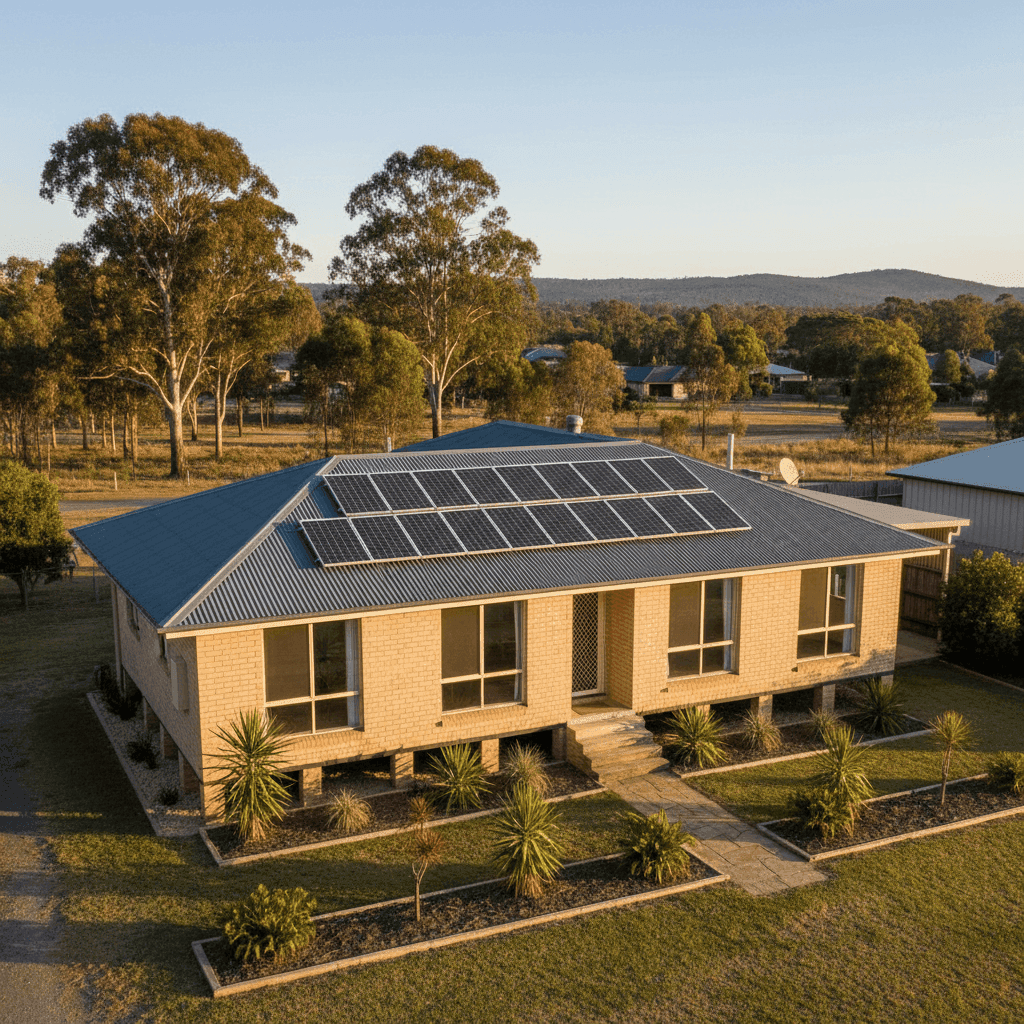
If you own a free standing home in Collombatti, NSW 2440, you're probably well aware that finding the right home insurance can feel like navigating a maze. Whether you're a long-time local or recently settled in this quiet Mid-North Coast community, understanding what you should expect to pay — and why — is the first step toward making sure you're not overpaying or underinsured.
This article breaks down a real home insurance quote for a 2-bedroom, 1-bathroom free standing home in Collombatti, comparing it against state and national benchmarks so you can see exactly where it sits in the market.
---
Is This Quote Fair?
The quote in question comes in at $3,039 per year (or $301/month) for combined Home and Contents cover, with a building sum insured of $514,000 and contents valued at $28,000. The building excess is set at $3,000, with a separate $1,000 excess for contents claims.
Based on CoverClub's pricing data, this quote is rated CHEAP — below the average for comparable properties. That's genuinely good news for the homeowner. Compared to the NSW state average of $3,801/year, this quote represents a saving of roughly $762 annually. Against the NSW median of $3,410, it's still comfortably below par.
It's worth noting that a higher building excess of $3,000 does contribute to keeping the premium lower. If you were to reduce that excess, you'd likely see the annual cost nudge upward. Still, for a property of this size and specification, the overall pricing looks competitive.
---
How Collombatti Compares
Putting this quote into context across different geographic benchmarks reveals some interesting dynamics:
| Benchmark | Average Premium |
|---|---|
| This Quote | $3,039 / yr |
| LGA Average (Port Macquarie-Hastings) | $7,001 / yr |
| NSW Average | $3,801 / yr |
| NSW Median | $3,410 / yr |
| National Average | $2,965 / yr |
| National Median | $2,716 / yr |
The most striking figure here is the Port Macquarie-Hastings LGA average of $7,001/year — more than double this quote. That elevated LGA average is likely driven by higher-risk coastal and flood-prone properties within the broader local government area, which can significantly skew averages upward. Collombatti itself sits inland along the Macleay River valley, which may account for a different risk profile compared to coastal suburbs in the same LGA.
Interestingly, this quote sits slightly above the national average of $2,965 and national median of $2,716. That's not unusual for regional NSW, where a combination of bushfire exposure, flood risk, and higher rebuild costs can push premiums above the national baseline.
You can explore more detailed pricing data for this postcode at the Collombatti suburb stats page, or broaden your view with the NSW state overview and national insurance statistics.
---
Property Features That Affect Your Premium
Every home has a unique combination of characteristics that insurers weigh when calculating risk. Here's how the features of this particular property likely influence the premium:
Double Brick External Walls
Double brick construction is generally viewed favourably by insurers. It offers strong resistance to fire, wind, and impact damage, which typically translates to lower premiums compared to timber-framed or clad homes. For a property in a region that can experience bushfire conditions, this is a meaningful advantage.
Steel / Colorbond Roof
A Colorbond steel roof is another risk-positive feature. It's durable, fire-resistant, and less susceptible to storm damage than older materials like terracotta tiles or asbestos sheeting. Insurers tend to reward this with more competitive pricing.
Stump Foundation
Homes built on stumps (also called pier and beam foundations) can be more vulnerable to certain types of damage, particularly in flood-prone areas where water can move beneath the structure. It also introduces some risk around subfloor maintenance. Depending on the insurer's assessment of local flood risk, this may have a modest upward effect on the premium.
Timber / Laminate Flooring
Timber and laminate floors can be costly to repair or replace following water damage or flooding. Insurers factor in the replacement cost of internal finishes, so this is worth keeping in mind if you're reviewing your contents and building sum insured.
Solar Panels
The property includes solar panels, which are typically covered under building insurance as a fixed installation. It's important to confirm with your insurer that the panels are explicitly included in your building sum insured — their replacement value should be factored into the $514,000 figure.
Building Size and Age
At 105 sqm and constructed in 2004, this is a relatively modest, modern home. Newer builds generally comply with more rigorous construction standards, which can reduce risk in the eyes of insurers. The 105 sqm footprint also keeps the rebuild cost estimate more manageable than a larger home.
---
Tips for Homeowners in Collombatti
1. Review Your Building Sum Insured Regularly
With construction costs rising across Australia, the cost to rebuild your home can increase significantly year on year. Make sure your $514,000 sum insured reflects current labour and material costs in regional NSW — underinsurance is one of the most common and costly mistakes homeowners make.
2. Confirm Solar Panel Coverage
Solar panels are a valuable asset and their replacement can cost thousands of dollars. Check your policy documents to confirm they're listed as a covered item under your building insurance, and that their value is reflected in your total sum insured.
3. Understand Your Flood and Bushfire Risk
Collombatti's inland location along the river valley means flood risk may be a relevant consideration. Similarly, the broader Mid-North Coast region has experienced significant bushfire events. Review your policy's definitions of flood and bushfire cover carefully — not all policies treat these the same way, and some may require optional add-ons.
4. Consider Adjusting Your Excess Strategically
The $3,000 building excess on this policy is on the higher end, which is one reason the premium is competitive. If you have the financial buffer to absorb a larger out-of-pocket cost in the event of a claim, maintaining a higher excess is a smart way to keep premiums down. Conversely, if cash flow is a concern, reducing the excess (and accepting a slightly higher premium) may offer greater peace of mind.
---
Compare Quotes and Save
Whether you're renewing your current policy or shopping around for the first time, it pays to compare. CoverClub makes it easy to see how your premium stacks up against real market data — and to find a better deal if one exists. Get a home insurance quote today and see what Collombatti homeowners are actually paying.