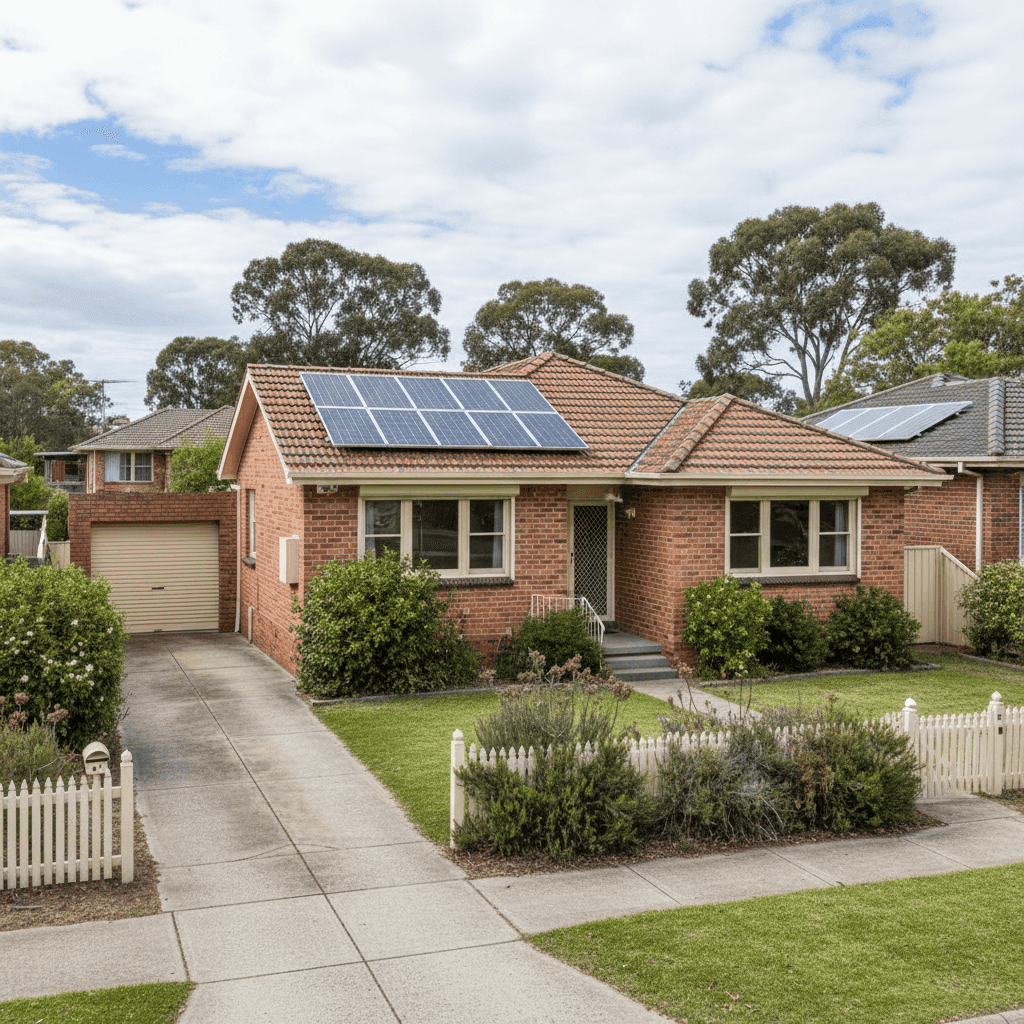
If you own a free standing home in Colyton, NSW 2760, you're probably wondering whether you're paying a fair price for home insurance — or whether there's a better deal out there. To help answer that question, we've taken a real home and contents insurance quote for a three-bedroom, brick veneer property in Colyton and broken it down against suburb, state, and national benchmarks.
Here's what the numbers look like, and what they mean for you.
---
Is This Quote Fair?
The quote in question comes in at $3,323 per year (or $318/month) for combined home and contents cover, with a $1,000 excess on both building and contents. The building is insured for $1,259,000, and contents are covered for $153,000.
Our price rating for this quote is CHEAP — below average — which is genuinely good news for the homeowner. When you stack this figure against the broader market, it holds up well. The NSW state average premium sits at a steep $9,528 per year, with a state median of $3,770. Against those figures, this quote is comfortably under the median and dramatically below the average.
Nationally, the picture is a little more nuanced. The national average premium is $5,347/yr, with a median of $2,764. So while this quote beats the national average convincingly, it does sit slightly above the national median — which reflects the higher risk and cost environment of Greater Western Sydney compared to lower-risk regions across the country.
All things considered, a "cheap" rating in NSW is no small feat. The state carries some of the highest premiums in Australia, driven by storm, flood, and bushfire exposure across many postcodes. Landing below the state median is a solid result.
---
How Colyton Compares
Colyton sits within the Blacktown Local Government Area (LGA), and this is where the data gets particularly interesting. The Blacktown LGA average premium is just $2,242 per year — notably lower than both the NSW state average and the national average. This suggests that homes in this part of Western Sydney are generally assessed as moderate-risk by insurers, without the extreme weather or geographic hazards that push premiums sky-high in coastal or bushfire-prone zones.
At $3,323, this particular quote is above the Blacktown LGA average, which is worth noting. The higher sum insured ($1,259,000 for the building alone) is likely a key driver of that gap — a higher replacement value naturally commands a higher premium, even within a lower-risk area.
For a deeper look at how Colyton stacks up on its own, visit the Colyton suburb stats page for the latest local benchmarks.
---
Property Features That Affect Your Premium
Every home is different, and insurers price risk based on a detailed picture of your property. Here's how the key features of this Colyton home likely influence the premium:
Brick Veneer Walls & Tiled Roof
Brick veneer construction is generally viewed favourably by insurers. It offers good fire resistance and structural durability. Combined with a tiled roof — another robust, low-maintenance material — this home presents a relatively low-risk profile from a building materials standpoint. Older homes with these features often fare better than those with weatherboard or corrugated iron.
Construction Year: 1965
At just over 60 years old, this home is firmly in the "established" category. Older properties can attract higher premiums due to the increased likelihood of ageing plumbing, wiring, or structural wear. However, brick veneer homes from the 1960s were typically well-built, and if the property has been maintained or updated, insurers may price it more generously.
Stump Foundation & Timber/Laminate Flooring
A stump (or pier) foundation is common in older Australian homes and can be a double-edged sword for insurance. It allows for ventilation and easier access to underfloor plumbing, but stumps can deteriorate over time, particularly in areas with reactive soils. Timber and laminate flooring adds to the contents and building replacement cost, which is reflected in the overall sum insured.
Solar Panels
This property has solar panels installed, which adds a modest layer of complexity to the insurance picture. Solar systems need to be included in the building sum insured to ensure they're covered in the event of storm damage, hail, or fire. It's worth confirming with your insurer that your system is explicitly covered under your policy.
Ducted Climate Control
Ducted air conditioning is a significant fixed asset and contributes to the building's replacement value. It also adds to the complexity of a rebuild, which is factored into the sum insured calculation.
No Pool, No Cyclone Risk
The absence of a pool removes one common source of liability and premium uplift. Colyton is also outside any designated cyclone risk zone, which keeps the premium from being inflated by extreme wind event loading — a factor that significantly drives up costs in northern Queensland and parts of WA.
---
Tips for Homeowners in Colyton
Whether you're reviewing your current policy or shopping for a new one, here are four practical steps to make sure you're getting the best value:
- Review your sum insured regularly. Building costs have risen sharply in recent years. Make sure your $1,259,000 building sum insured reflects current construction costs in Western Sydney — underinsurance is one of the most common and costly mistakes homeowners make.
- Check your solar panel coverage. Ask your insurer directly whether your solar system (panels, inverter, and mounting hardware) is included in your building cover. Some policies treat it as standard; others require it to be listed separately.
- Consider your excess strategically. A $1,000 excess is fairly standard, but if you have a clean claims history and solid savings, opting for a higher excess (e.g., $2,500) can meaningfully reduce your annual premium. Just make sure the savings justify the out-of-pocket risk.
- Compare at renewal time. Even if your current quote is rated "cheap," the market changes every year. Insurers reprice based on claims data, reinsurance costs, and local risk assessments. Running a comparison at renewal — especially through a platform like CoverClub — takes minutes and can save hundreds.
---
Compare Your Home Insurance Today
Whether you're a long-time Colyton resident or new to the area, it always pays to see what the market has to offer. At CoverClub, you can compare home and contents insurance quotes from leading Australian insurers in minutes — no jargon, no pressure, just clear pricing so you can make an informed decision.
Don't wait until renewal to find out you've been overpaying. Get started today.