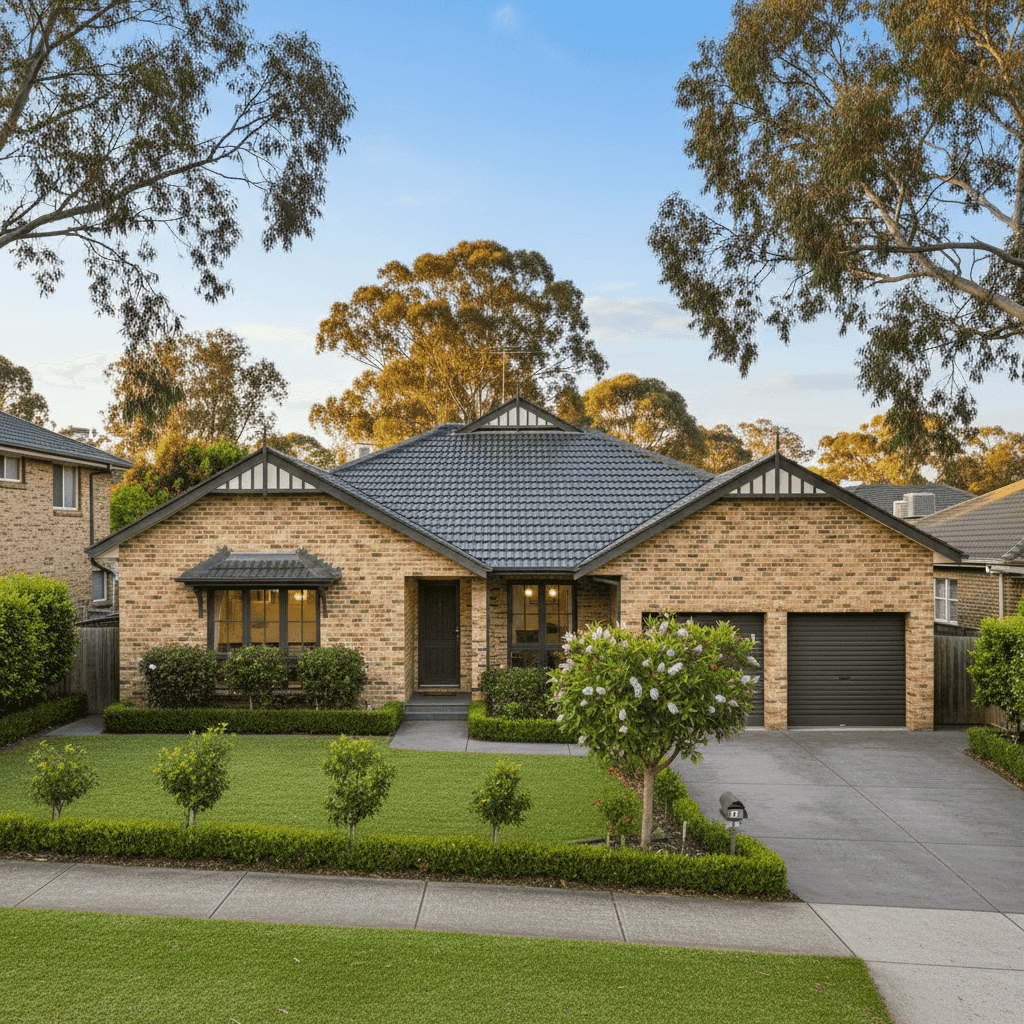
Concord is one of Sydney's most sought-after inner-west suburbs — a leafy, established neighbourhood known for its federation and mid-century homes, proximity to Homebush Bay, and strong sense of community. For owners of free standing homes in this area, understanding the true cost of home and contents insurance is an important part of protecting what is likely their most valuable asset. This article breaks down a real insurance quote for a four-bedroom, double brick home in Concord, and puts the numbers into context using suburb, state, and national data.
---
Is This Quote Fair?
The annual premium on this quote comes in at $2,709 per year (or $260/month), covering both building and contents for a sum insured of $1,054,000 on the building and $71,000 on contents. Both the building and contents excess are set at $2,000.
Our pricing engine has rated this quote as Fair — Around Average, and the data backs that up. When compared against other quotes we've seen for Concord (postcode 2137), this premium sits comfortably between the suburb's 25th percentile ($1,807/yr) and the median ($2,983/yr). That means roughly half of comparable properties in the suburb are paying more, and about a quarter are paying noticeably less.
It's worth noting that "fair" doesn't necessarily mean "the best available." Insurance pricing varies significantly between providers, and the same property can attract very different premiums depending on the insurer's risk model, the policy inclusions, and the excess structure chosen. A $2,000 excess is on the higher side, which typically helps reduce the annual premium — so if a lower excess is important to you, expect the price to nudge upward.
---
How Concord Compares
To appreciate whether this quote represents good value, it helps to zoom out and look at the broader picture.
| Benchmark | Premium |
|---|---|
| This Quote | $2,709/yr |
| Concord (2137) Suburb Average | $3,821/yr |
| Concord (2137) Suburb Median | $2,983/yr |
| Canada Bay LGA Average | $2,042/yr |
| NSW State Average | $9,528/yr |
| NSW State Median | $3,770/yr |
| National Average | $5,347/yr |
| National Median | $2,764/yr |
A few things stand out here. First, the NSW state average of $9,528/yr is dramatically higher than what Concord homeowners typically pay. This is largely because NSW encompasses a wide range of risk profiles — from flood-prone regional towns to bushfire-affected rural areas — which pulls the state average up considerably. The median of $3,770/yr is a more representative figure for the typical NSW homeowner.
Compared to the national average of $5,347/yr, Concord again fares well. The national median of $2,764/yr is actually slightly below this quote, which is consistent with the "around average" rating — the quote is competitive for an inner-Sydney suburb with a high sum insured.
Interestingly, the Canada Bay LGA average of $2,042/yr is lower than this quote. However, LGA averages can be influenced by properties with lower sums insured or different cover types, so direct comparisons should be made cautiously. A $1,054,000 building sum insured is substantial and will naturally carry a higher premium than lower-value properties in the same council area.
It's also worth noting that the suburb sample size of 27 quotes gives us a reasonable — though not exhaustive — dataset for Concord. The wide spread between the 25th percentile ($1,807/yr) and the 75th percentile ($5,062/yr) tells us there's significant variation in what homeowners here are paying, reinforcing the value of shopping around.
---
Property Features That Affect Your Premium
Several characteristics of this property work in the owner's favour from an insurance pricing perspective.
Double Brick Construction Double brick is widely regarded as one of the most durable and resilient building materials for Australian homes. It offers excellent fire resistance, structural integrity, and longevity — all factors that insurers look upon favourably. Homes built with double brick typically attract lower premiums than those with timber or lightweight cladding.
Tiled Roof A tiled roof is another positive signal for insurers. Tiles are durable, fire-resistant, and long-lasting, though they can be susceptible to cracking or displacement in severe hail events. Overall, a tiled roof is considered a lower-risk profile than corrugated iron or older materials.
Construction Year: 1960 At over 60 years old, this home is well into the "established" category. Older homes can sometimes attract higher premiums due to the cost of replacing period-appropriate materials or the potential for ageing plumbing and electrical systems. However, double brick homes from this era have generally proven their durability, and many insurers price them competitively.
Slab Foundation and Tiled Flooring A concrete slab foundation is generally considered stable and low-risk. Combined with tiled flooring throughout, this reduces concerns around water damage to flooring materials, which can be a significant cost driver in claims.
No Pool, Solar Panels, or Ducted Climate Control The absence of a pool eliminates liability and equipment risks that can add to premiums. No solar panels means no cover required for rooftop systems, and the lack of ducted air conditioning removes a common source of mechanical breakdown claims. These omissions collectively keep the risk profile — and the premium — lower.
Standard Fittings With standard-quality fittings rather than premium or high-end fixtures, the cost to repair or replace internal elements is more predictable and generally lower, which is reflected in a more moderate premium.
---
Tips for Homeowners in Concord
1. Review your sum insured regularly Building costs in Sydney's inner west have risen significantly in recent years. A sum insured of $1,054,000 for a 214 sqm home works out to roughly $4,925 per square metre — which is in the ballpark for quality brick construction in this market, but worth validating with a quantity surveyor or using an online building calculator annually. Being underinsured can be costly at claim time.
2. Consider your excess carefully A $2,000 excess on both building and contents is relatively high. While it reduces your premium, it means you'll need to cover that amount out of pocket before your insurer steps in. If your savings buffer is limited, a lower excess (say $750–$1,000) may be worth the modest premium increase for peace of mind.
3. Check what's actually covered Not all home and contents policies are equal. Pay close attention to whether your policy covers events like storm damage, escape of liquid (burst pipes), and accidental damage — all of which are relevant risks for older Sydney homes. Some policies include these as standard; others require optional add-ons.
4. Compare quotes at renewal time Insurance loyalty rarely pays off in Australia. Insurers frequently offer better rates to new customers, meaning long-term policyholders can end up overpaying. With a wide premium range in Concord — from under $1,807 to over $5,062 — there's real money to be saved by comparing at least two or three quotes each year.
---
Compare Your Home Insurance Options
Whether you're reviewing your existing policy or shopping for cover for the first time, comparing quotes is the single most effective way to ensure you're not overpaying. CoverClub makes it easy to see how your premium stacks up against real data from your suburb and beyond.
Get a home insurance quote today and find out if you're getting the best deal available for your Concord home.