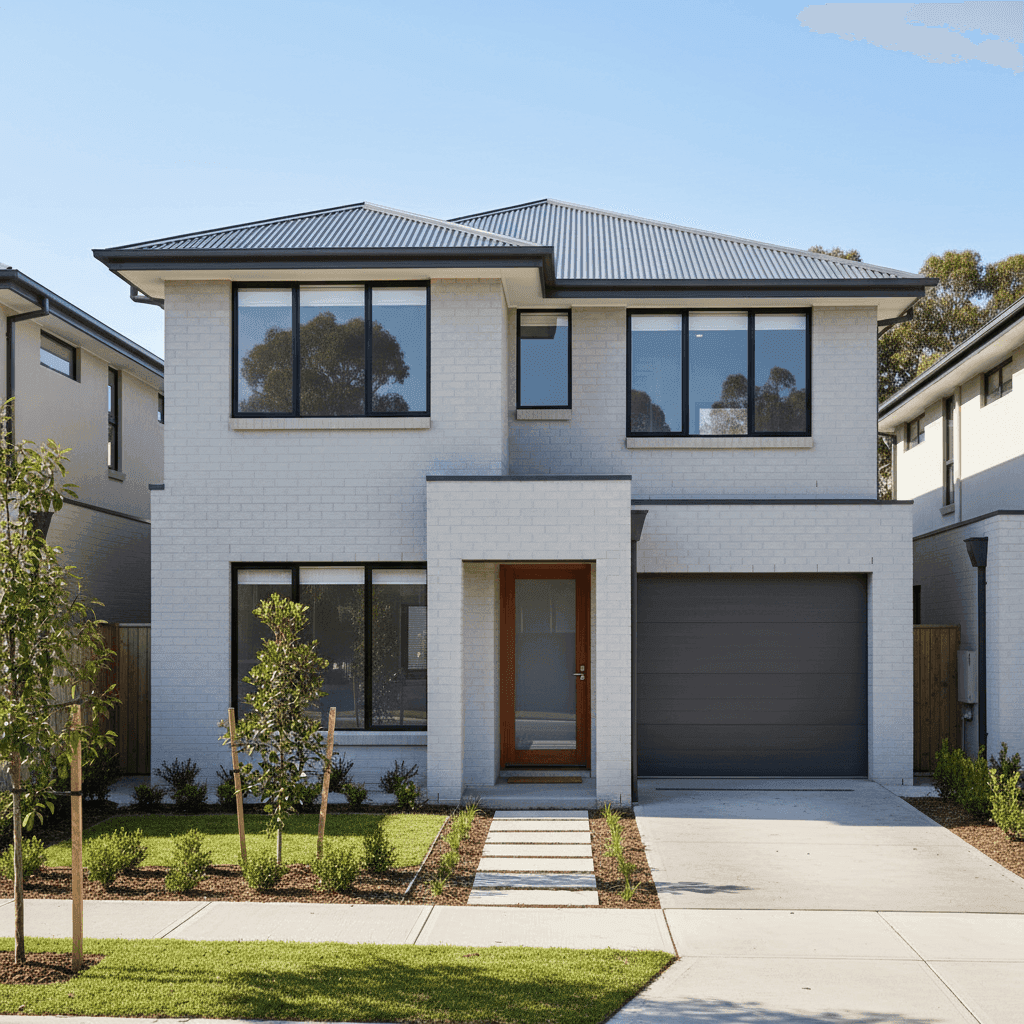
If you own a townhouse in Concord, NSW 2137, you already know it's one of Sydney's most sought-after inner-west suburbs — well-connected, leafy, and close to the Parramatta River. But desirable real estate comes with real insurance costs, and understanding whether your premium is competitive can save you hundreds of dollars a year. In this article, we break down a real home and contents insurance quote for a three-bedroom, three-bathroom townhouse in Concord, and put the numbers in context so you can make a more informed decision.
---
Is This Quote Fair?
The quote in question is $2,716 per year (or $278/month) for combined home and contents cover, with a building sum insured of $769,000 and contents valued at $115,000. The building excess is set at $3,000, and the contents excess at $1,000.
Our price rating for this quote is Expensive (Above Average) — and the data backs that up. When compared against other quotes collected for properties in the Concord area, this premium sits noticeably higher than what most local homeowners are paying. The suburb average sits at just $1,457 per year, and the median is nearly identical at $1,468/yr, meaning this quote is roughly 86% above the local average.
That said, context matters. The higher sum insured ($769,000 for the building alone) and above-average fittings quality are significant rating factors that will push a premium upward compared to more modestly specified homes. A townhouse built in 1999 with timber and laminate flooring, ducted climate control, and quality internal finishes will naturally attract a higher replacement cost — and insurers price accordingly.
---
How Concord Compares
To understand whether this quote is truly expensive or simply reflective of a well-specified property, it helps to zoom out and look at the broader picture. Here's how Concord stacks up against state and national benchmarks:
| Benchmark | Annual Premium |
|---|---|
| Concord (suburb average) | $1,457 |
| Concord (suburb median) | $1,468 |
| Concord (25th percentile) | $1,231 |
| Concord (75th percentile) | $1,629 |
| LGA — Canada Bay (average) | $2,042 |
| NSW (state average) | $3,801 |
| NSW (state median) | $3,410 |
| National average | $2,965 |
| National median | $2,716 |
A few things stand out here. First, Concord's suburb-level premiums are remarkably low compared to both the NSW state average and the national average — suggesting the area benefits from relatively low risk ratings (no flood zone, no cyclone exposure, low bushfire risk). Second, this particular quote at $2,716/yr actually aligns almost exactly with the national median, which reframes it somewhat: while it's above average for Concord specifically, it's not out of step with what Australians pay nationally.
The Canada Bay LGA average of $2,042/yr provides a useful middle ground — this quote exceeds that figure too, though again, the higher building sum insured and premium finishes are likely contributors.
You can explore more local data on the Concord suburb insurance stats page, compare against NSW state averages, or see where this sits against national benchmarks.
---
Property Features That Affect Your Premium
Several characteristics of this property have a direct bearing on the premium calculated. Understanding these can help you have a more productive conversation with your insurer — or identify areas where adjustments might be appropriate.
Brick veneer construction is generally viewed favourably by insurers. It offers solid fire resistance and structural durability compared to weatherboard or fibre cement, which can translate to slightly lower premiums for the building component.
Steel/Colorbond roofing is another positive factor. Colorbond is highly regarded for its longevity, resistance to corrosion, and performance in extreme weather. It's less susceptible to storm damage than terracotta or concrete tiles, and many insurers price this favourably.
Slab foundation is standard for properties of this era and is generally considered a low-risk foundation type in stable soil conditions like those common across inner-western Sydney.
Timber and laminate flooring can influence contents and building claims. Timber floors — particularly polished hardwood — can be expensive to repair or replace after water damage, which may be reflected in the premium.
Above-average fittings quality is one of the most significant premium drivers here. Kitchens and bathrooms with premium fixtures, stone benchtops, and quality appliances cost significantly more to reinstate than standard equivalents. Insurers account for this in their rebuild cost estimates.
Ducted climate control adds to the insured value of the building. A ducted system can cost $10,000–$25,000 or more to replace, and this is factored into the building sum insured.
No pool and no solar panels simplify the risk profile slightly — both features can add complexity (and cost) to a policy, so their absence works in the policyholder's favour.
---
Tips for Homeowners in Concord
Whether you're reviewing an existing policy or shopping for a new one, here are some practical steps Concord homeowners can take to ensure they're getting fair value.
1. Review your sum insured carefully A building sum insured of $769,000 is substantial. Make sure this figure reflects the actual cost to rebuild — not the market value of the property. Over-insuring can mean you're paying premiums on coverage you'll never need, while under-insuring creates a different set of problems at claim time. Use an independent building cost calculator or speak with a quantity surveyor if you're unsure.
2. Compare multiple quotes before renewing Loyalty doesn't always pay in insurance. Insurers frequently offer better rates to new customers than they do on automatic renewals. Using a comparison platform like CoverClub lets you see a range of quotes side by side without having to ring around individually.
3. Consider adjusting your excess This policy carries a $3,000 building excess — on the higher end. While a higher excess generally reduces your premium, it also means a larger out-of-pocket cost at claim time. Conversely, if cash flow allows, you might find that a lower excess with a slightly higher premium gives you better peace of mind. Run the numbers both ways.
4. Check what's included in contents cover At $115,000, the contents sum insured is meaningful. Make sure your policy covers high-value items like jewellery, electronics, and artwork either under the standard policy or via listed items. Many standard contents policies have sub-limits on specific categories that can catch homeowners off guard.
---
Ready to Compare?
If this quote has prompted you to take a closer look at your own cover, now is a great time to act. CoverClub makes it easy to compare home and contents insurance quotes from a range of Australian insurers — all in one place, with no obligation. Whether you're in Concord or anywhere else across NSW, get a quote today and see how much you could save.