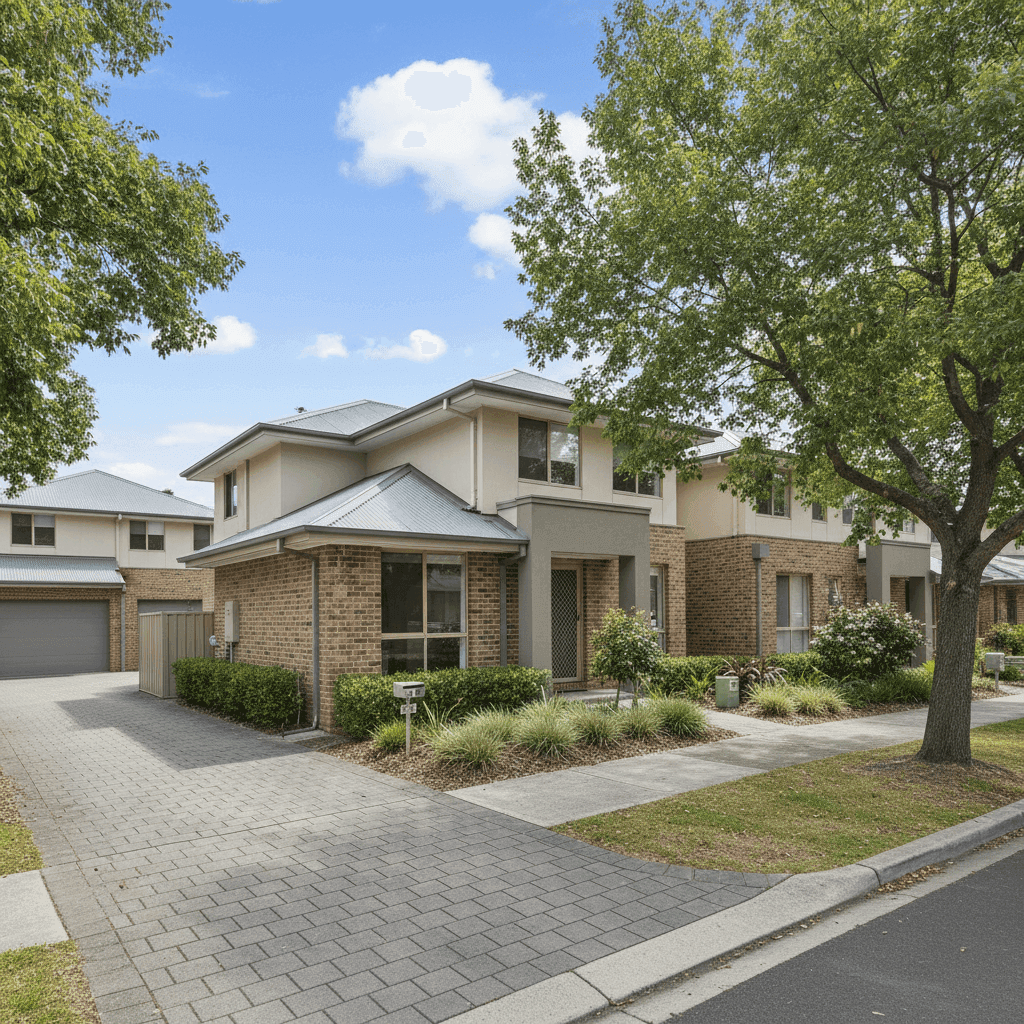
If you own a townhouse in Concord, NSW 2137, you're living in one of Sydney's most sought-after inner-west suburbs — and your home insurance premium is likely to reflect that. This article breaks down a real home and contents insurance quote for a three-bedroom, three-bathroom brick veneer townhouse in Concord, examining whether the price stacks up against local, state, and national benchmarks, and what you can do to make sure you're not overpaying.
---
Is This Quote Fair?
The quote in question comes in at $4,619 per year (or $451 per month) for combined home and contents cover, with a building sum insured of $769,000 and contents valued at $115,000. The building excess is set at $3,000, with a separate $1,000 excess on contents.
Our price rating for this quote is Expensive — Above Average.
To put that in perspective, the average home and contents premium across Concord sits at just $1,457 per year, with a median of $1,468. Even at the 75th percentile — meaning 75% of quotes in the suburb are cheaper — the figure is only $1,629 per year. This quote is more than 2.8 times the suburb's 75th percentile, which is a significant gap that deserves a closer look.
It's worth noting, however, that the suburb sample size is relatively small (15 quotes), so the local average may not capture the full range of properties and cover levels in the area. The higher sum insured ($769,000 for the building alone) and above-average fittings quality will naturally push the premium up compared to more modestly insured properties in the same postcode.
---
How Concord Compares
Zooming out to a broader view helps contextualise this premium further.
| Benchmark | Average Premium |
|---|---|
| Concord (2137) suburb average | $1,457/yr |
| Canada Bay LGA average | $2,042/yr |
| NSW state average | $3,801/yr |
| National average | $2,965/yr |
| This quote | $4,619/yr |
Compared to the NSW state average of $3,801/yr, this quote is approximately 22% higher. Against the national average of $2,965/yr, it's around 56% more expensive. Even within the Canada Bay LGA, where the average is $2,042/yr, this quote stands well above the pack.
That said, this is a high-value property with a substantial building sum insured — well above what many comparable townhouses in the area might be insured for. A like-for-like comparison would need to account for rebuild costs, contents value, and the level of cover selected. Still, the gap is wide enough to warrant shopping around.
---
Property Features That Affect Your Premium
Several characteristics of this property have a direct bearing on the premium calculated by insurers.
Brick veneer construction is generally viewed favourably by insurers. It offers solid fire resistance and structural durability compared to weatherboard or lightweight cladding, which can translate to lower risk assessments. However, it's not immune to damage — particularly from subsidence or ground movement on a slab foundation.
Steel/Colorbond roofing is another positive from an insurer's perspective. Colorbond is highly durable, resistant to bushfire ember attack, and low-maintenance. It performs well in storms and is unlikely to degrade as quickly as older tile roofs. This should, in theory, work in the homeowner's favour when it comes to pricing.
Slab foundation is standard for many post-1990s builds in NSW and is generally considered stable, though properties on slab can be more susceptible to damage from soil movement, particularly in areas with reactive clay soils.
Timber and laminate flooring adds to the contents and fixtures risk profile. High-quality flooring is expensive to replace after water damage or fire, and this is likely factored into the above-average fittings quality rating.
Above-average fittings quality is one of the most significant premium drivers here. Kitchens, bathrooms, and fixtures that are above standard cost significantly more to repair or replace, and insurers price accordingly. With three bathrooms in a 1999-built townhouse, the fitout value alone can be considerable.
Ducted climate control is another feature that adds to the insured value of the property. Ducted systems are costly to repair or replace, and their presence contributes to both the building sum insured and the overall risk profile.
---
Tips for Homeowners in Concord
If you're looking at a similar quote — or already paying in this range — here are some practical steps to consider:
1. Review your sum insured carefully. A building sum insured of $769,000 is substantial. Make sure this figure reflects the actual cost to rebuild your townhouse (not its market value), including demolition, professional fees, and current construction costs. Overinsuring is a common and costly mistake — use a building cost calculator or speak to a quantity surveyor if you're unsure.
2. Adjust your excess to manage your premium. The building excess on this quote is $3,000 — already on the higher side. Increasing your excess further can reduce your annual premium, but only do this if you're genuinely comfortable covering that amount out of pocket in the event of a claim. A lower contents excess of $1,000 may be appropriate given the value of items covered.
3. Compare multiple insurers. The spread between this quote and the suburb average is striking. Even accounting for the higher sum insured, there's a strong case for obtaining at least three to five competing quotes. Different insurers assess risk differently, and the savings can be meaningful — potentially hundreds of dollars per year.
4. Check what's included (and what's not). Not all policies are equal. Before switching to a cheaper option, confirm that the replacement policy covers the same risks — including accidental damage, storm, flood, and liability — and that it doesn't impose stricter conditions on your specific property type or construction materials.
---
Ready to Compare?
Whether you're renewing your policy or buying cover for the first time, it pays to shop around. CoverClub makes it easy to compare home insurance quotes tailored to your property in Concord and across Australia. Get a quote today and see how much you could save — you might be surprised by the difference a comparison can make. You can also explore Concord suburb insurance data and NSW-wide premium trends to better understand what others in your area are paying.