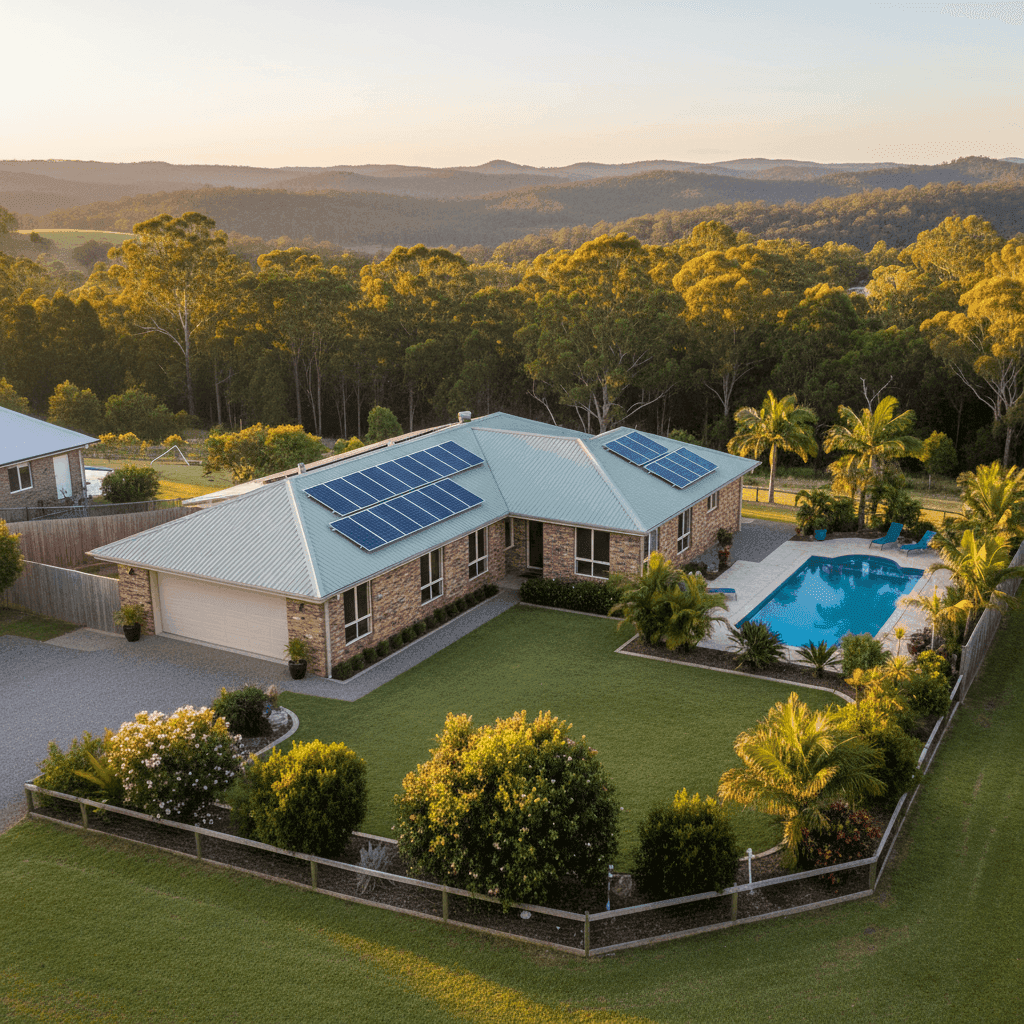
Tucked away in the lush hinterland of the Mid North Coast, Congarinni North (NSW 2447) is a quiet rural locality that offers a peaceful lifestyle — but like any property in regional New South Wales, insuring your home here comes with its own set of considerations. This article breaks down a real home and contents insurance quote for a four-bedroom, free-standing home in Congarinni North, compares it against state and national benchmarks, and offers practical tips to help local homeowners get the best value from their cover.
---
Is This Quote Fair?
The annual premium for this property came in at $6,404 per year (or $614/month), covering both building (sum insured: $895,000) and contents ($50,000), each with a $1,000 excess.
Our pricing analysis rates this quote as CHEAP — below average for the area. That's genuinely good news for the homeowner. Given the relatively high building sum insured of $895,000 — which reflects both the size of the home (214 sqm) and the cost of rebuilding in a regional area — securing cover at this price point represents solid value.
It's worth noting that "cheap" in insurance terms doesn't mean inadequate. A below-average premium simply means the insurer has assessed the risk profile of this property favourably, and the homeowner is benefiting from that assessment. The key is ensuring the sum insured accurately reflects true rebuild costs, so you're not left underinsured if the worst happens.
---
How Congarinni North Compares
While suburb-level data for Congarinni North is limited due to the area's smaller population, we can draw meaningful comparisons using state and national figures.
| Benchmark | Average Premium | Median Premium |
|---|---|---|
| This Quote | $6,404/yr | — |
| NSW State Average | $9,528/yr | $3,770/yr |
| National Average | $5,347/yr | $2,764/yr |
| Nambucca Valley LGA Average | $5,223/yr | — |
A few things stand out here:
- Versus the NSW state average ($9,528/yr): This quote is approximately 33% cheaper, which is a substantial saving. NSW premiums are elevated by high-risk coastal and flood-prone areas, so properties in lower-risk pockets of the state can fare much better.
- Versus the national average ($5,347/yr): The quote sits modestly above the national average, which is expected given the higher-than-typical building sum insured.
- Versus the Nambucca Valley LGA average ($5,223/yr): The quote is slightly above the LGA average, but this is largely attributable to the $895,000 building cover — a figure that reflects a well-appointed, larger home rather than an entry-level property.
The NSW median of $3,770/yr and national median of $2,764/yr are considerably lower, but these figures include smaller homes, lower sum insureds, and building-only policies — so a direct comparison isn't entirely apples-to-apples for a combined home and contents policy of this size.
Explore more data on the Congarinni North insurance stats page, or browse NSW-wide home insurance statistics and national benchmarks for broader context.
---
Property Features That Affect Your Premium
Insurers don't price policies in a vacuum — every feature of your home feeds into the risk calculation. Here's how this particular property's characteristics are likely influencing the premium:
Brick Veneer Walls & Colorbond Roof
Brick veneer is one of the most common and well-regarded construction types in Australia. It offers solid fire resistance and durability, which insurers generally view favourably. Paired with a steel Colorbond roof, this home benefits from materials that are both weather-resistant and low-maintenance. Colorbond roofing in particular performs well in high-wind and heavy-rain events, which is relevant given the Mid North Coast's tendency for intense summer storms.
Concrete Slab Foundation
A slab foundation is considered stable and low-risk by most insurers. It reduces the likelihood of subsidence-related claims and is well-suited to the region's soil conditions.
Tiled Flooring
Tiles are durable, water-resistant, and easy to replace in sections — all characteristics that can reduce the cost of claims related to water damage or flooding. This is a minor but positive factor in risk assessment.
Swimming Pool
A pool adds value to the property but also introduces liability considerations. Most home insurance policies include public liability cover, which is particularly relevant when a pool is present. Homeowners should confirm their policy's liability limits and ensure the pool complies with NSW pool safety regulations.
Solar Panels
Solar panels are increasingly common in regional NSW, and most modern home insurance policies include them as part of the building cover — but it's always worth confirming this with your insurer. The panels add to the overall replacement value of the home, which is factored into the building sum insured.
Standard Fittings Quality
With standard-grade fittings, the rebuild cost is more predictable and less likely to be underestimated. High-end or custom fittings can sometimes catch homeowners off guard when calculating sum insured, so standard fittings here work in the homeowner's favour.
---
Tips for Homeowners in Congarinni North
1. Review Your Building Sum Insured Annually
Construction costs in regional NSW have risen significantly in recent years due to labour shortages and material price increases. A sum insured that was accurate two years ago may no longer be sufficient. Use a building cost calculator or speak with a local builder to verify your figure each year.
2. Confirm Solar Panels Are Covered
Not all policies automatically include solar panel systems in building cover. Check your Product Disclosure Statement (PDS) carefully and ask your insurer to confirm in writing that your panels — including inverters and mounting hardware — are included in the sum insured.
3. Don't Overlook Pool Liability
NSW has strict regulations around pool fencing and safety compliance. Ensure your pool barrier meets current standards under the Swimming Pools Act 1992, as non-compliance could affect liability claims. Also review the public liability limit on your policy — $20 million is a common benchmark worth aiming for.
4. Consider Increasing Your Excess to Lower Premiums
With a current excess of $1,000 on both building and contents, there may be room to adjust. If you have a solid emergency fund and are comfortable absorbing a higher out-of-pocket cost in the event of a claim, increasing your excess to $2,000 or more can meaningfully reduce your annual premium.
---
Ready to Compare?
Whether you're renewing your existing policy or shopping for cover for the first time, it pays to compare. CoverClub makes it easy to see what multiple insurers would charge for your specific property — no obligation, no hidden fees. Get a home insurance quote today and find out if you're getting the best deal available in Congarinni North.