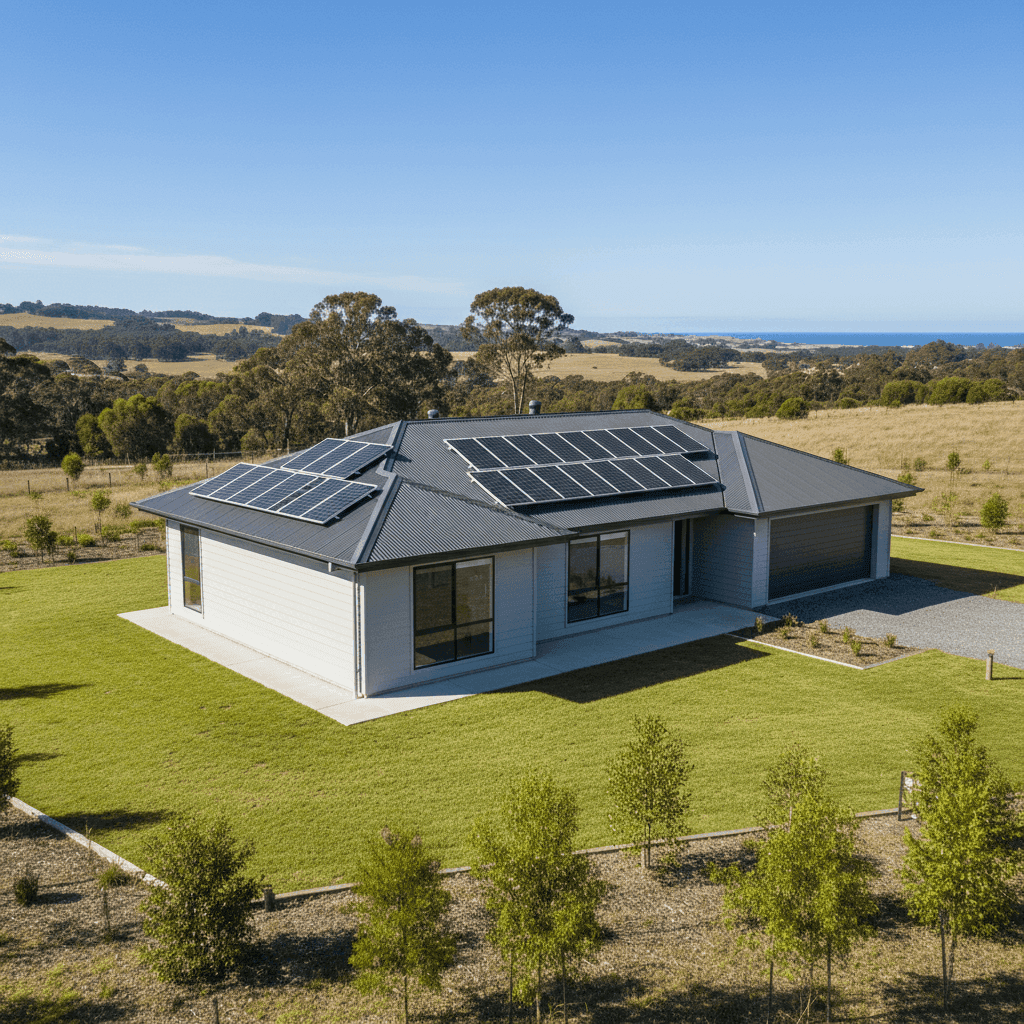
Connewarre is a quiet coastal-fringe suburb tucked between Geelong and the Surf Coast in Victoria, known for its rural character, proximity to Lake Connewarre, and easy access to the Great Ocean Road corridor. For homeowners in this area, finding the right home and contents insurance can feel like navigating unfamiliar territory — especially when premiums vary so widely across the region. This article breaks down a real insurance quote for a three-bedroom, free-standing home in Connewarre, examines how it stacks up against state and national benchmarks, and offers practical guidance for local homeowners looking to get the best value from their cover.
---
Is This Quote Fair?
The short answer: yes — and then some. The quote in question comes in at $1,044 per year (or roughly $100 per month) for combined home and contents cover, with a building sum insured of $400,000 and contents valued at $50,000. Our pricing analysis rates this as CHEAP — below average compared to similar properties across Victoria and nationally.
To put that in perspective, the Victorian state average for home insurance sits at $2,921 per year, with a median of $2,694. At the national level, the average climbs slightly to $2,965 per year, with a median of $2,716. This quote lands at roughly 36% of the state average — a significant saving that most homeowners would be very happy with.
It's worth noting that both the building excess and contents excess are set at $5,000, which is on the higher side. A higher excess is one of the most common levers insurers use to bring premiums down, so this trade-off is worth understanding clearly: if you need to make a claim, you'll be covering the first $5,000 out of pocket before the insurer steps in. For homeowners who are financially comfortable absorbing a modest loss and primarily want cover for major events — think storm damage, fire, or significant theft — this structure can make a lot of sense.
---
How Connewarre Compares
Connewarre (VIC 3227) sits within the Surf Coast LGA, where the average home insurance premium is $2,520 per year — notably lower than the broader Victorian and national averages, but still more than double the quote analysed here.
Here's a quick snapshot of how the numbers line up:
| Benchmark | Average Premium |
|---|---|
| This Quote | $1,044/yr |
| Surf Coast LGA Average | $2,520/yr |
| VIC State Average | $2,921/yr |
| National Average | $2,965/yr |
The Surf Coast LGA figure being lower than the state average may reflect the relatively modern housing stock in parts of the region, along with the absence of cyclone risk — a major premium driver in northern Australia. That said, coastal and semi-rural properties in Victoria can still attract higher premiums due to bushfire exposure and storm risk, which makes this particular quote even more noteworthy.
No suburb-level comparison data is currently available specifically for Connewarre, but the LGA average provides a useful regional anchor. You can explore more detailed pricing data on the CoverClub stats page for VIC.
---
Property Features That Affect Your Premium
Several characteristics of this property are likely contributing to the competitive premium. Understanding these factors can help you make smarter decisions when reviewing or renewing your own policy.
Hardiplank/Hardiflex External Walls Fibre cement cladding like Hardiplank is well-regarded by insurers for its durability and fire resistance. Unlike timber weatherboard, it doesn't rot, and it performs better in bushfire-prone environments. This is a meaningful risk-reduction factor for a property in regional Victoria.
Steel/Colorbond Roof Colorbond steel is one of the most insurer-friendly roofing materials available in Australia. It's lightweight, highly durable, resistant to corrosion and fire, and performs well in high-wind conditions. Compared to terracotta tiles or older corrugated iron, a Colorbond roof typically attracts lower premiums.
Slab Foundation A concrete slab foundation is considered low-risk by most insurers — it's structurally sound, not susceptible to subfloor pest damage, and less prone to movement issues than some older foundation types. This is another tick in the low-risk column.
Construction Year: 2005 At around 20 years old, this home is relatively modern. Properties built after the early 2000s generally meet more stringent building codes, particularly around wind and fire resistance, which insurers view favourably.
Solar Panels This property has solar panels, which adds a layer of complexity to insurance. Solar panels are an asset worth protecting — they can cost tens of thousands of dollars to replace — and homeowners should confirm whether their policy covers panels for accidental damage, storm damage, and electrical faults. Some policies include solar panels automatically under building cover; others require a specific endorsement.
Ducted Climate Control Ducted heating and cooling systems are a fixed asset and typically covered under building insurance. However, mechanical breakdown is usually excluded, so it's worth checking whether you need a separate appliance or home warranty policy for that risk.
No Pool, No Cyclone Risk The absence of a swimming pool removes a common liability and maintenance risk factor. And being outside a designated cyclone risk zone means this property avoids the significant premium loadings that apply to homes in northern Queensland and parts of WA.
---
Tips for Homeowners in Connewarre
1. Review your sum insured carefully A building sum insured of $400,000 needs to reflect the full cost of rebuilding your home from the ground up — not its market value. Construction costs in regional Victoria have risen sharply in recent years. Use a building cost calculator or speak with a quantity surveyor to make sure you're not underinsured.
2. Understand your excess before you claim With a $5,000 excess on both building and contents, small claims may not be worth making. Consider setting aside an emergency fund to cover this amount, and factor the excess into your decision-making when comparing policies with different premium structures.
3. Check your solar panel cover Solar panels are a significant investment. Confirm with your insurer exactly what's covered — including storm damage, accidental breakage, and any liability associated with the system connecting to the grid. If in doubt, ask for written confirmation.
4. Compare at renewal time Even a great premium can creep up at renewal. Insurers often apply automatic increases, and loyalty doesn't always pay. Set a reminder to compare quotes at CoverClub before your renewal date each year to make sure you're still getting a competitive deal.
---
Ready to Compare Your Own Quote?
Whether you're a homeowner in Connewarre or anywhere else in Australia, it pays to know what you're actually paying for — and whether you could be paying less. CoverClub makes it easy to compare home and contents insurance quotes side by side, so you can find cover that suits your property and your budget. Get a quote today at CoverClub and see how your current premium stacks up.