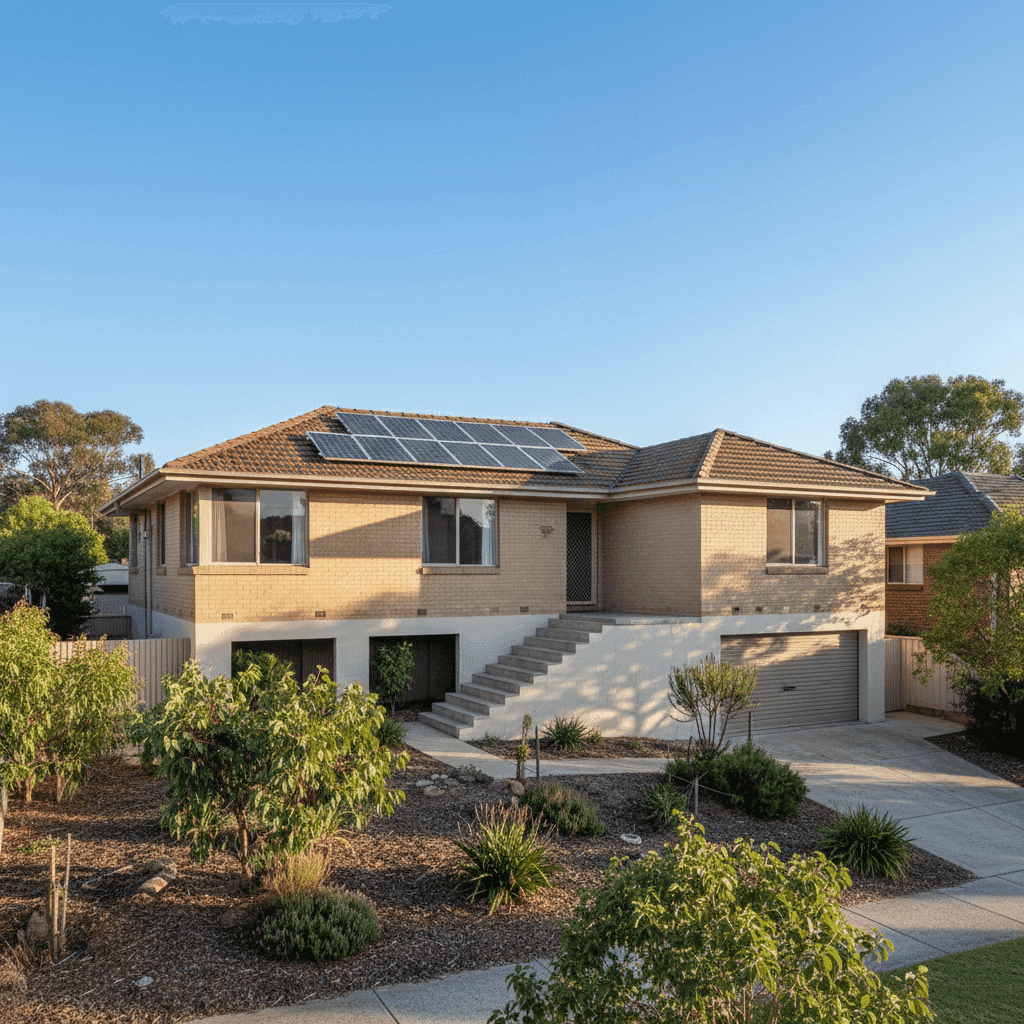
If you own a four-bedroom free standing home in Coogee, WA 6166, you've probably wondered whether you're paying a fair price for home and contents insurance — or quietly overpaying while your neighbour gets a better deal. This article breaks down a real insurance quote for a property in Coogee, compares it against suburb, state, and national benchmarks, and offers practical tips to help you get the most out of your cover.
---
Is This Quote Fair?
The quote in question comes in at $2,555 per year (or $245/month) for combined home and contents insurance, covering a building sum insured of $930,000 and contents valued at $150,000. Both the building and contents excess sit at $1,000.
Our price rating for this quote is FAIR — Around Average, and the numbers back that up.
The suburb average premium for Coogee (postcode 6166) sits at $2,291/year, with a median of $2,283/year. This quote lands about 11.5% above the suburb average, which isn't a red flag — particularly given the property's size (235 sqm), elevated foundation, and higher-than-typical building sum insured. The 75th percentile for the suburb is $2,761/year, meaning this quote is comfortably below the more expensive end of the local market.
In short: you're not getting a bargain, but you're not being stung either. There's room to optimise, but this is a reasonable starting point.
---
How Coogee Compares
Understanding where your premium sits relative to broader benchmarks is one of the most useful tools a homeowner has. Here's how Coogee stacks up:
| Benchmark | Premium |
|---|---|
| This Quote | $2,555/yr |
| Coogee (6166) Suburb Average | $2,291/yr |
| Coogee (6166) Suburb Median | $2,283/yr |
| Coogee 25th Percentile | $1,565/yr |
| Coogee 75th Percentile | $2,761/yr |
| LGA (Cockburn) Average | $1,739/yr |
| WA State Average | $2,811/yr |
| WA State Median | $2,127/yr |
| National Average | $5,347/yr |
| National Median | $2,764/yr |
A few things stand out here. First, this quote is below the WA state average of $2,811/year — a meaningful saving given that Western Australia can carry elevated premiums due to storm and bushfire exposure in certain regions. Second, the national average of $5,347/year is dramatically higher, largely skewed by high-risk areas in Queensland and Northern Australia where cyclone and flood premiums are extreme. Coogee, notably, is not classified as a cyclone risk area, which keeps premiums more manageable.
It's also worth noting the LGA (Cockburn) average of $1,739/year is significantly lower than this quote. That figure likely reflects a broader mix of properties across the local government area — including smaller homes, lower sum insured amounts, and varying coverage types — so direct comparisons should be made cautiously.
You can explore more local data on the Coogee suburb stats page, or compare how WA sits nationally on the WA state stats page and the national insurance stats page.
---
Property Features That Affect Your Premium
Every property is different, and insurers price risk based on the specific characteristics of your home. Here's how the key features of this Coogee property influence the premium:
Double Brick Construction
Double brick is generally viewed favourably by insurers. It's robust, fire-resistant, and holds up well against the kind of strong winds that coastal Perth suburbs can experience. Compared to lightweight cladding or weatherboard, double brick typically attracts lower building premiums.
Tiled Roof
Terracotta or concrete tiles are a standard, durable roofing material and are generally well-regarded by insurers. They perform reasonably well in storms, though they can crack under significant impact. Overall, a tiled roof is a neutral-to-positive factor for premium pricing.
Elevated Foundation (At Least 1m)
Being elevated by at least one metre adds a layer of complexity. On one hand, elevation can offer flood protection — water is less likely to enter the living areas. On the other hand, elevated homes can be more exposed to wind uplift, and repairs to subfloor areas can be costly. Insurers will weigh both sides.
Slab Foundation
A concrete slab is one of the most common foundations in WA and is generally considered low-risk. It's stable, less susceptible to pest damage, and straightforward to insure.
Solar Panels
Solar panels are increasingly common and most insurers cover them under building insurance — but they do add to the replacement cost of the home. With a $930,000 building sum insured, it's worth confirming your policy explicitly covers solar panels and their associated infrastructure (inverters, mounting systems, wiring).
Ducted Climate Control
Ducted air conditioning systems are a significant fixed asset and are typically covered under building insurance. Again, this contributes to the overall replacement cost and is factored into the sum insured.
Timber and Laminate Flooring
Timber and laminate floors are susceptible to water damage — a key consideration for insurers. In a coastal suburb like Coogee, where storm events can occur, this is worth keeping in mind when reviewing your policy's water damage provisions.
No Pool, No Cyclone Zone
The absence of a pool removes one source of liability and maintenance-related claims. And being outside a cyclone risk zone is a significant premium advantage compared to properties in northern WA or Queensland.
---
Tips for Homeowners in Coogee
1. Review Your Building Sum Insured Annually
At $930,000, the building sum insured is substantial — and rightly so for a 235 sqm double brick home. But construction costs shift over time. Make sure your sum insured reflects current rebuild costs (not market value), and consider using a building cost calculator or speaking with a quantity surveyor if you're unsure.
2. Confirm Solar Panel Coverage
Not all policies treat solar panels the same way. Some cover them explicitly under building insurance; others require an endorsement. Given the cost of a quality solar system, it's worth calling your insurer to confirm exactly what's covered — and for how much.
3. Shop Around at Renewal Time
A "fair" rating means there's room to do better. The 25th percentile for Coogee sits at $1,565/year — roughly $1,000 less than this quote. While that lower tier may reflect different coverage levels or higher excesses, it signals that competitive pricing exists in this suburb. Use renewal time as a trigger to compare quotes at CoverClub.
4. Consider Your Excess Strategically
Both the building and contents excess are set at $1,000. Opting for a higher excess (say, $2,000) can meaningfully reduce your annual premium. If you have a solid emergency fund and rarely make small claims, a higher excess is often a smart trade-off.
---
Ready to Compare?
Whether you're reviewing an existing policy or shopping for the first time, comparing quotes is the single best way to make sure you're not overpaying. CoverClub makes it easy to see how your premium stacks up against real data from your suburb and beyond.
Get a home insurance quote today at CoverClub and find out if you could be paying less for the same — or better — cover.