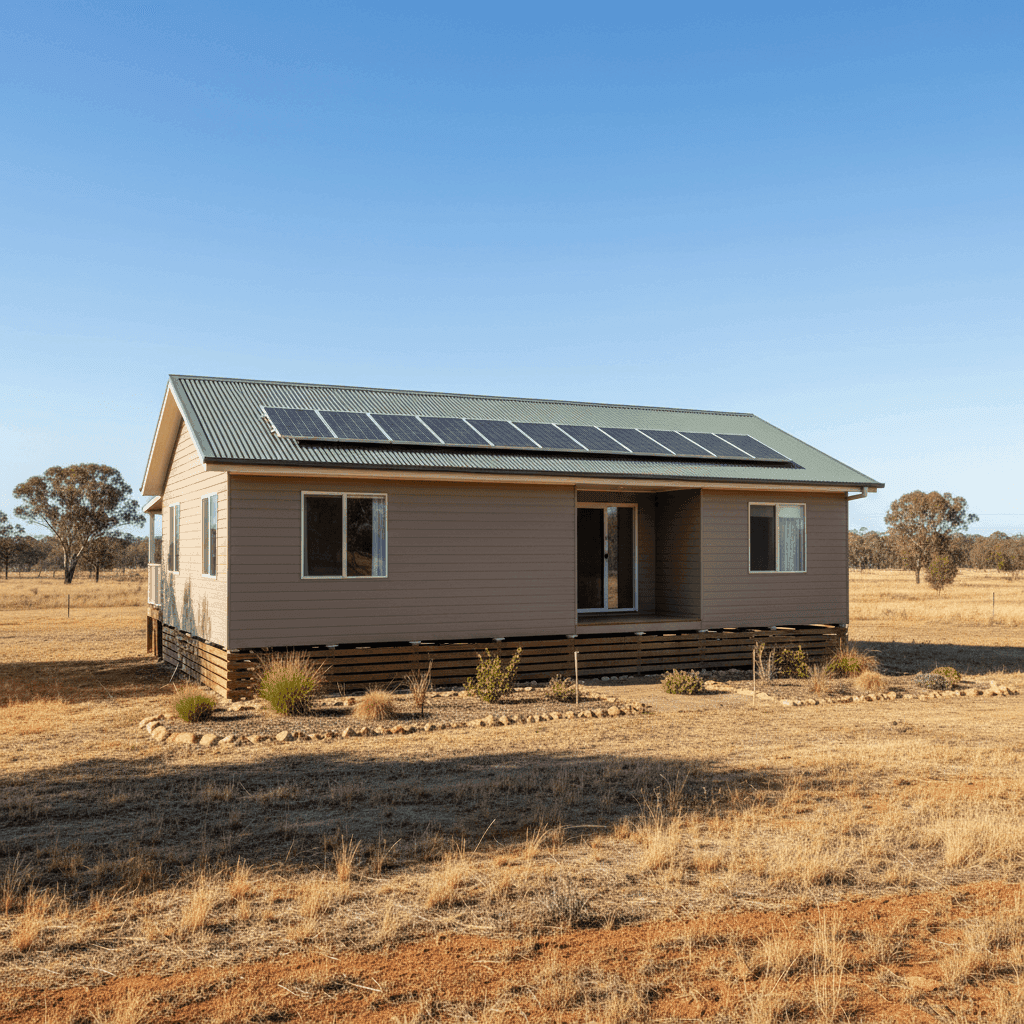
If you own a freestanding home in Coolatai, NSW 2402, you're likely no stranger to the challenges of insuring a rural property in north-western New South Wales. This article breaks down a real home and contents insurance quote for a 2-bedroom weatherboard home in Coolatai — and helps you understand whether the premium on offer represents genuine value, or whether there's room to shop around.
---
Is This Quote Fair?
The quote in question comes in at $2,652 per year (or $254 per month) for combined home and contents cover, with a building sum insured of $365,000 and contents valued at $50,000. Both the building and contents excess are set at $1,000 each.
Based on CoverClub's pricing analysis, this premium is rated CHEAP — below average for this type of property and location. That's genuinely good news for the homeowner. In an insurance market that has seen significant premium increases across Australia over recent years, landing a below-average quote for a rural NSW property is a result worth noting.
To put it in perspective: the NSW state average for home insurance sits at $9,528 per year, with a state median of $3,770. This quote comes in well under both figures. Even against the national average of $5,347 and the national median of $2,764, this premium holds up favourably — sitting just below the national median, which means more than half of Australian homeowners are paying more.
---
How Coolatai Compares
Suburb-level data for Coolatai is limited given the town's small population, but broader regional and state comparisons paint a useful picture.
| Benchmark | Annual Premium |
|---|---|
| This Quote | $2,652 |
| LGA (Inverell) Average | $4,002 |
| NSW State Median | $3,770 |
| NSW State Average | $9,528 |
| National Median | $2,764 |
| National Average | $5,347 |
The LGA average for the Inverell region — which encompasses Coolatai — sits at $4,002 per year. This quote beats that benchmark by over $1,300 annually, which is a meaningful saving for a rural homeowner. The significant gap between the NSW state average ($9,528) and the median ($3,770) suggests that a relatively small number of high-risk or high-value properties are pulling the average upward, so the median is often a more reliable comparison point for typical homes.
For more localised data and trends, visit the Coolatai suburb stats page.
---
Property Features That Affect Your Premium
Understanding what drives your insurance premium helps you make smarter decisions at renewal time. Here's how the features of this particular property are likely influencing the cost:
Weatherboard Timber Construction (1930)
This is one of the most significant rating factors for this home. Weatherboard timber walls are considered a higher fire risk than brick veneer or full brick, and older homes — particularly those built in 1930 — can present challenges around replacement costs, compliance with modern building codes, and the availability of matching materials. Insurers often apply loadings for pre-war homes, so achieving a below-average premium here is particularly noteworthy.
Stump Foundation
Homes on stumps (also known as pier and beam foundations) are common across rural NSW and Queensland. They offer practical benefits — good airflow beneath the floor, easier access for plumbing and electrical work — but insurers may factor in the potential for subsidence, pest damage to timber stumps, or structural movement over time.
Steel / Colorbond Roof
This works in the homeowner's favour. Colorbond roofing is durable, low-maintenance, and performs well in Australian conditions. Compared to older corrugated iron or terracotta tiles, a steel roof is generally viewed more favourably by insurers from a risk perspective.
Timber and Laminate Flooring
Timber floors in an older home can be a double-edged sword — they're desirable and add value, but they can also be expensive to repair or replace following water damage or fire. This is worth keeping in mind when assessing whether your contents and building sums insured are adequate.
Solar Panels
Solar panels are increasingly common on Australian homes, but they do add a layer of complexity to insurance. They represent an additional asset that needs to be covered (either under building or contents, depending on the policy), and in some cases can affect the cost of roof repairs. It's worth confirming with your insurer exactly how your panels are covered.
Ducted Climate Control
Ducted air conditioning systems are a significant fixture and are typically covered under building insurance as a fixed installation. Given the hot summers in north-western NSW, this is an important inclusion to verify in your policy wording.
---
Tips for Homeowners in Coolatai
1. Double-check your building sum insured A 105 sqm weatherboard home built in 1930 can be surprisingly expensive to rebuild, particularly in a regional area where trades and materials come at a premium. The $365,000 sum insured may be appropriate, but it's worth running the numbers through a building cost calculator annually to make sure you're not underinsured.
2. Confirm solar panel coverage Ask your insurer whether your solar panels are covered under the building section, and whether the inverter and associated equipment are included. Some policies treat panels as a fixture (building) while others may require a separate endorsement.
3. Review your contents sum insured $50,000 in contents cover is modest. Walk through your home room by room and estimate the replacement value of your belongings at today's prices — furniture, appliances, clothing, tools, and electronics can add up faster than you'd expect.
4. Consider the value of a higher excess With both building and contents excesses set at $1,000, you're already carrying a reasonable self-insured portion. If you're comfortable with a slightly higher excess (say, $1,500 or $2,000), you may be able to reduce your annual premium further — though this is only worth doing if you have the savings to cover that amount in the event of a claim.
---
Ready to Compare?
Even if your current quote looks competitive, it's always worth seeing what else is on the market. Premiums can vary significantly between insurers for the same property, and a few minutes of comparison could save you hundreds of dollars a year. Get a home insurance quote at CoverClub and see how your options stack up — it's free, fast, and tailored to your property.