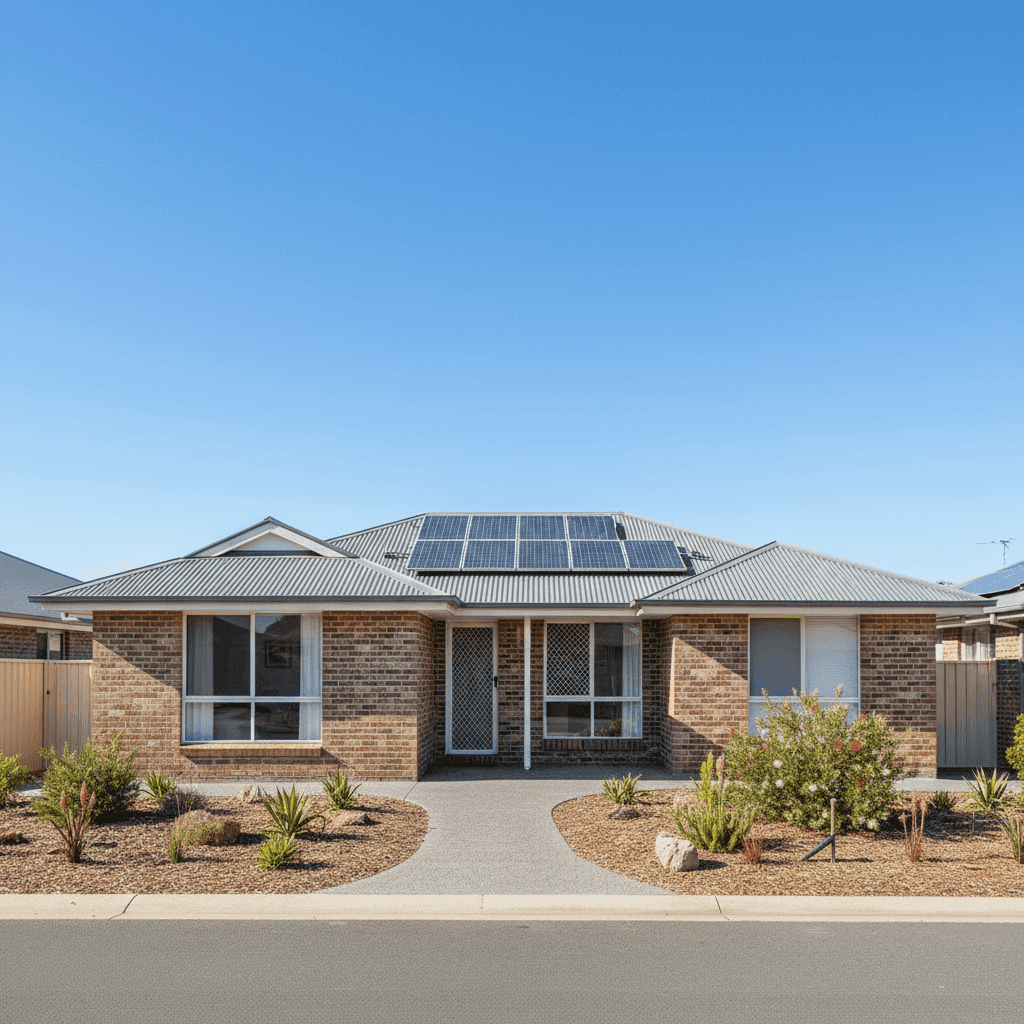
If you own a free standing home in Cooloola Cove, QLD 4580, you're probably wondering whether your home insurance premium is competitive — or whether you're quietly paying too much. This article breaks down a real home and contents insurance quote for a 3-bedroom, 1-bathroom brick veneer home in this coastal Queensland suburb, and compares it against local, state, and national benchmarks to help you make a more informed decision.
---
Is This Quote Fair?
The short answer: yes — this is a genuinely cheap quote.
The annual premium for this property comes in at $2,176 per year (or $221/month), covering a building sum insured of $510,000 and contents valued at $50,000. Based on CoverClub's pricing data, this quote is rated CHEAP, meaning it sits well below the average for comparable properties in the area.
To put that in perspective, the suburb average premium in Cooloola Cove is $5,353/year, and the median sits at $4,633/year. This quote is not just below average — it's significantly below the 25th percentile of $3,437/year, meaning it's cheaper than at least 75% of quotes collected in the suburb. That's a strong result by any measure.
The building excess is $3,000 and the contents excess is $1,000, which are on the higher side and likely contribute to keeping the premium down. It's worth factoring that in when assessing the overall value — lower premiums with higher excesses mean more out-of-pocket costs if you do need to make a claim.
---
How Cooloola Cove Compares
Understanding where your suburb sits in the broader insurance landscape is key to knowing whether your quote is truly competitive. Here's how Cooloola Cove (QLD 4580) stacks up:
| Benchmark | Premium |
|---|---|
| This Quote | $2,176/yr |
| Suburb Average (Cooloola Cove) | $5,353/yr |
| Suburb Median | $4,633/yr |
| Suburb 25th Percentile | $3,437/yr |
| LGA Average (Fraser Coast) | $4,810/yr |
| QLD State Average | $9,129/yr |
| QLD State Median | $3,903/yr |
| National Average | $5,347/yr |
| National Median | $2,764/yr |
A few things stand out here. Queensland's state average of $9,129/year is extraordinarily high — more than four times this quote — largely driven by cyclone-prone regions in North Queensland that push premiums into the stratosphere. The state median of $3,903 is a far more representative figure for most QLD homeowners.
At the national level, the average sits at $5,347/year, while the median is $2,764/year. This quote, at $2,176, even comes in below the national median — a strong indicator that it represents genuine value.
It's worth noting that the suburb sample size for Cooloola Cove is 14 quotes, which is a reasonable dataset but not enormous. Premiums can vary considerably depending on the insurer, the level of cover, and individual property risk factors, so it's always wise to shop around.
---
Property Features That Affect Your Premium
Several characteristics of this particular property play a meaningful role in how insurers assess and price the risk.
Brick Veneer Walls & Colorbond Roof Brick veneer is one of the more favoured construction types among insurers. It offers solid fire resistance and durability, which generally translates to lower premiums compared to timber-framed or clad homes. Similarly, a steel/Colorbond roof is viewed favourably — it's lightweight, resistant to ember attack, and performs well in storms. This combination is a solid foundation (no pun intended) for a competitive premium.
Concrete Slab Foundation A slab foundation is standard for homes of this era in Queensland and carries minimal additional risk in the eyes of insurers. It eliminates concerns around subfloor flooding or pest damage that can affect elevated or timber-stumped homes.
Solar Panels This property has solar panels installed. Some insurers include solar panels under the building sum insured automatically, while others treat them as a separate item. It's important to confirm with your insurer that your solar system is adequately covered under your policy — both for accidental damage and for liability if a panel were to cause a fire or fall.
No Cyclone Risk Cooloola Cove is not classified as a cyclone risk area, which is a significant premium advantage for Queensland homeowners. Properties in cyclone-designated zones — particularly in Far North Queensland — can attract cyclone-specific excess amounts and substantially higher premiums. Being outside that zone keeps costs considerably more manageable.
1992 Construction Homes built in the early 1990s are generally well-regarded by insurers — they're past the teething stage of newer builds and predate some of the more problematic construction periods. That said, a home of this age may have ageing plumbing, electrical systems, or roofing that could be flagged during a claim. Keeping up with maintenance is both a practical and insurance-smart habit.
Vinyl Flooring & Standard Fittings Vinyl flooring and standard-quality fittings keep the replacement cost estimate grounded, which supports a more modest contents and building sum insured. Homes with high-end finishes, custom joinery, or premium flooring typically attract higher rebuilding costs and, in turn, higher premiums.
---
Tips for Homeowners in Cooloola Cove
1. Review your sum insured regularly Building costs in Queensland have risen sharply in recent years. A sum insured of $510,000 for a 130 sqm home works out to roughly $3,923/sqm — which is on the higher end for a standard build, but not unreasonable given current construction costs. Use a building cost calculator annually to make sure you're not underinsured (or paying to over-insure).
2. Confirm solar panel coverage With solar panels on the roof, double-check your policy documents to see exactly how your system is covered. Ask your insurer whether panels are included in the building sum insured, whether there's a separate limit, and what happens in the event of storm damage or inverter failure.
3. Understand your excess before claiming This policy carries a $3,000 building excess and a $1,000 contents excess. Before lodging a claim for minor damage, weigh up whether the payout will actually exceed your out-of-pocket excess. For smaller incidents, it may be more cost-effective to self-fund repairs and preserve your claims history.
4. Shop around at renewal time Even with a cheap quote like this one, insurers often increase premiums at renewal without a corresponding increase in risk. Set a reminder to compare quotes at least 30 days before your policy renews — loyalty doesn't always pay in the insurance world.
---
Compare Your Home Insurance Today
Whether you're a new buyer or a long-time Cooloola Cove resident, it pays to know what the market looks like. CoverClub makes it easy to compare home and contents insurance quotes from multiple insurers in minutes. Get a quote now and see how your current premium stacks up — you might be surprised by what's available.