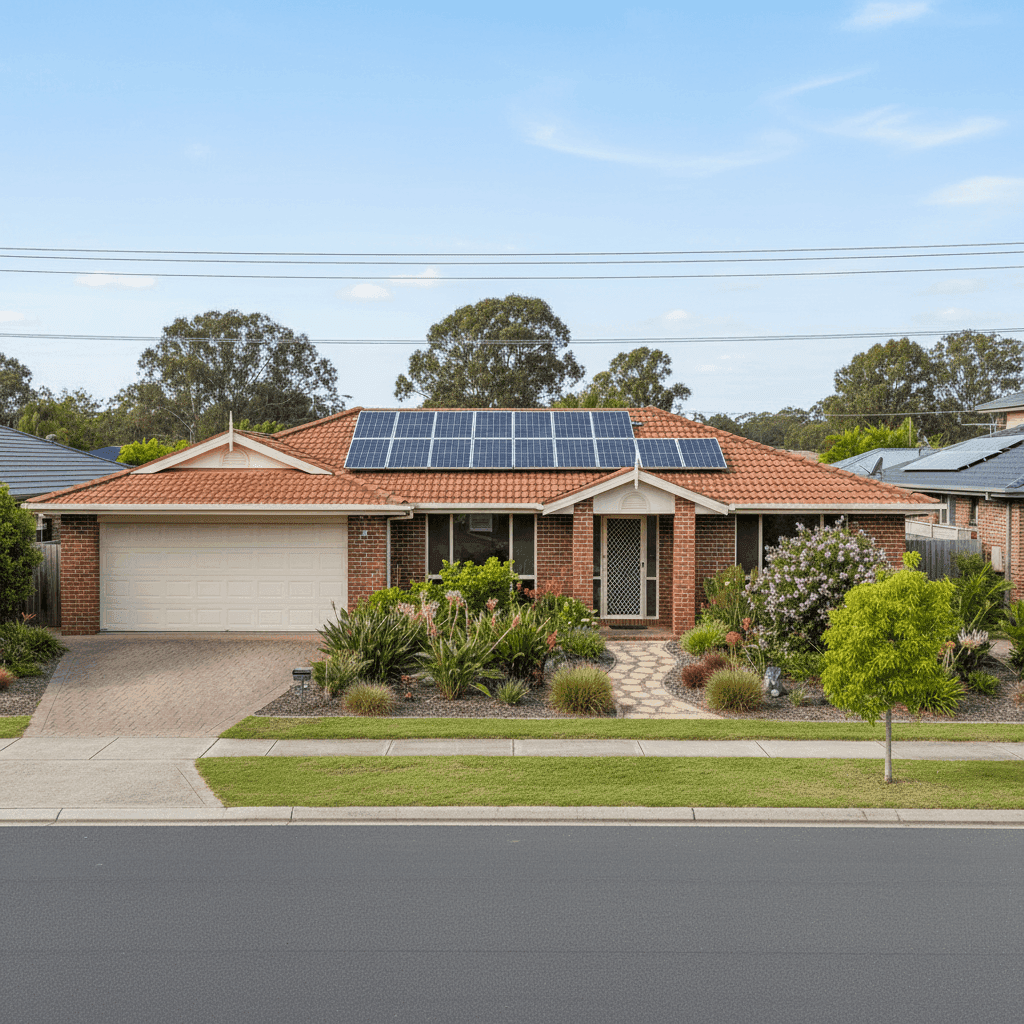
Coombabah is a relaxed, family-friendly suburb on the northern Gold Coast, sitting just minutes from the Coombabah Lake Conservation Park and the hustle of Helensvale's shopping precinct. It's a popular choice for families seeking a quieter lifestyle without straying too far from the coast — and with that lifestyle comes the responsibility of protecting your home with the right insurance. This article breaks down a real home and contents insurance quote for a four-bedroom, brick veneer free standing home in Coombabah, and puts it into context against local, state, and national benchmarks.
---
Is This Quote Fair?
The quote in question comes in at $2,274 per year (or $218 per month) for combined home and contents cover, with a building sum insured of $520,000 and contents covered to $60,000. Both the building and contents excess are set at $1,000 — a fairly standard arrangement.
Our price rating for this quote is FAIR — Around Average, which is actually a solid outcome for a Gold Coast property. Here's why that matters: Queensland is one of the most expensive states in the country for home insurance, driven by extreme weather events, flood risk, and cyclone exposure across many parts of the state. Landing a quote that sits around the local average — rather than well above it — is genuinely worth noting.
The suburb's average premium sits at $2,858 per year, meaning this quote comes in roughly $584 below the Coombabah average. It's also below the suburb median of $2,513, placing it in the lower half of the local pricing range. For context, the 25th percentile for the suburb is $2,173 — so while this quote isn't the cheapest available, it's comfortably within a reasonable range for a property of this size and specification.
---
How Coombabah Compares
To really appreciate what this quote means, it helps to zoom out and look at the broader picture. Here's how Coombabah stacks up:
| Benchmark | Annual Premium |
|---|---|
| This Quote | $2,274 |
| Coombabah Suburb Average | $2,858 |
| Coombabah Suburb Median | $2,513 |
| Gold Coast LGA Average | $8,161 |
| QLD State Average | $9,129 |
| QLD State Median | $3,903 |
| National Average | $5,347 |
| National Median | $2,764 |
The contrast with the Gold Coast LGA average of $8,161 and the Queensland state average of $9,129 is striking. These figures are heavily skewed by high-risk postcodes — particularly those exposed to cyclone corridors, storm surge, and significant flood zones further north in Queensland. Coombabah, by comparison, benefits from its position outside the designated cyclone risk area, which keeps premiums considerably more manageable.
Even against the national average of $5,347, this quote looks competitive. Interestingly, the national median of $2,764 is actually higher than this quote, reinforcing the FAIR rating. You can explore more local data on the Coombabah suburb stats page, compare it against Queensland-wide figures, or look at the national picture for broader context.
> Note: The suburb sample size for Coombabah is 16 quotes, so while directionally useful, these averages should be treated as a guide rather than a definitive market benchmark.
---
Property Features That Affect Your Premium
Several characteristics of this property play a meaningful role in how insurers assess and price the risk.
Brick Veneer Construction Brick veneer walls are generally viewed favourably by insurers. They offer good fire resistance and structural durability compared to timber or lightweight cladding, which can translate into more competitive premiums.
Tiled Roof A tiled roof on a 1996-built home is a solid asset from an insurance perspective. Tiles are durable and weather-resistant, though insurers will note the age of the home when assessing potential maintenance issues. At nearly 30 years old, the roof may warrant a professional inspection if not recently done — something that can influence both your claim outcomes and your renewal premiums.
Slab Foundation A concrete slab foundation is common in Queensland and is generally considered a low-risk foundation type. It offers stability and is less susceptible to issues like subsidence compared to some other foundation types.
Timber and Laminate Flooring Timber and laminate floors are a factor in contents and building assessments. They can be more vulnerable to water damage than tiles, which may subtly influence how insurers assess internal damage scenarios.
Solar Panels This property has solar panels installed, which is increasingly common across South East Queensland. It's important to confirm with your insurer whether solar panels are covered under your building policy, as coverage can vary. Some policies include them automatically; others require them to be specifically listed. Given the cost of replacement, it's worth verifying your position.
No Pool, No Ducted Climate Control The absence of a pool removes a common liability and maintenance risk factor. Similarly, no ducted climate control system means one less high-value fixed asset to account for in your building sum insured.
Building Size: 214 sqm At 214 square metres, this is a comfortably sized family home. The $520,000 building sum insured equates to roughly $2,430 per square metre — broadly in line with current construction costs in South East Queensland, though it's always worth reviewing this figure annually as building costs continue to rise.
---
Tips for Homeowners in Coombabah
1. Review Your Building Sum Insured Annually Construction costs in Queensland have risen significantly over recent years. A sum insured that was accurate three years ago may now fall short of what it would actually cost to rebuild your home. Use a building cost calculator or speak with a quantity surveyor to make sure you're not underinsured.
2. Confirm Solar Panel Coverage As mentioned above, don't assume your solar panels are automatically included in your building cover. Check your Product Disclosure Statement (PDS) carefully and contact your insurer directly if it's unclear. Panels can cost tens of thousands of dollars to replace, so this is not an area to leave ambiguous.
3. Shop Around at Renewal A FAIR rating means this quote is competitive — but the market can shift. Insurers reprice risk regularly, and loyalty doesn't always pay off in home insurance. Set a reminder to compare quotes at least 30 days before your renewal date so you have time to switch if a better deal is available.
4. Consider Your Excess Strategy Both the building and contents excess on this policy are set at $1,000. Opting for a higher excess can reduce your annual premium, but make sure you can genuinely afford to cover that amount out of pocket in the event of a claim. For many households, $1,000 is a reasonable balance — but it's worth modelling the trade-off with your insurer.
---
Compare Your Options with CoverClub
Whether you're reviewing an existing policy or shopping for the first time, comparing quotes is the single most effective way to make sure you're not overpaying. CoverClub makes it easy to see how your premium stacks up against real data from your suburb and across Australia. Get a quote today and find out where you stand.