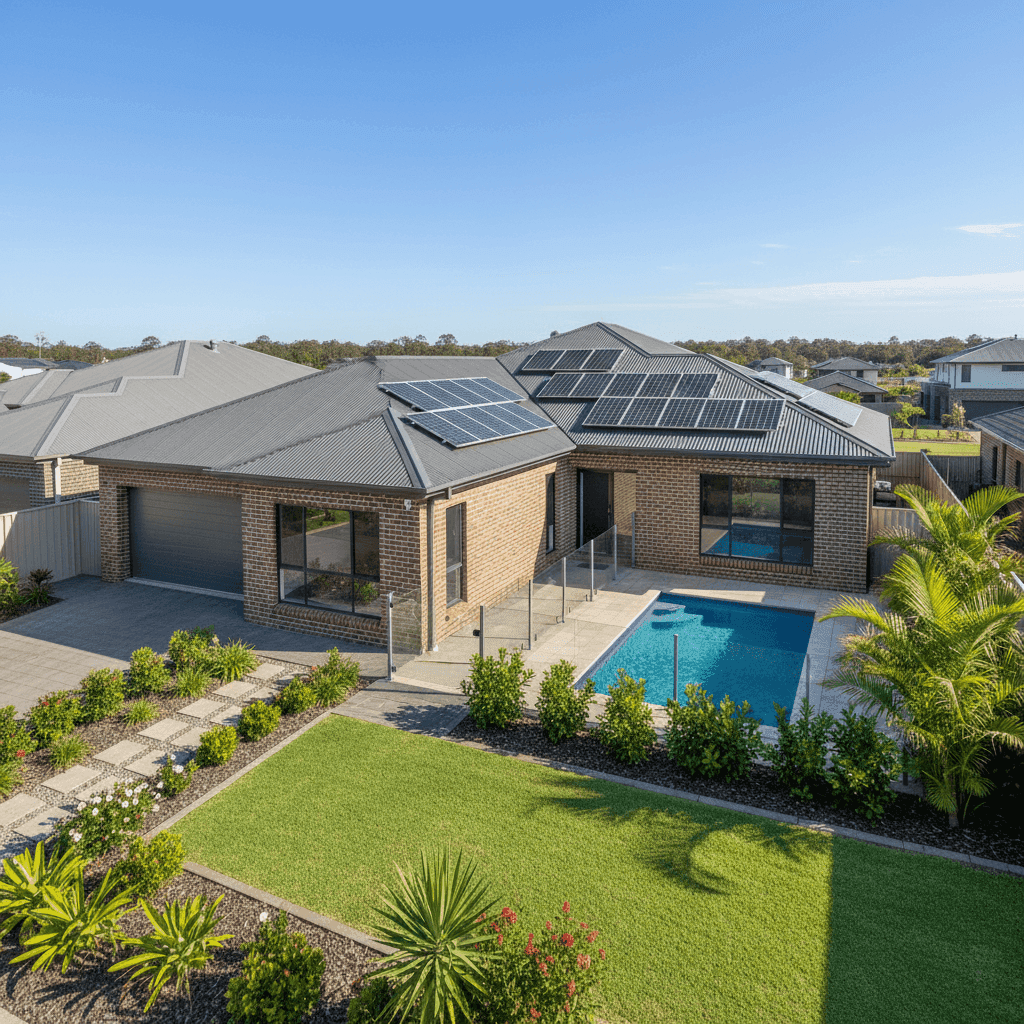
If you own a free standing home in Coomera, QLD 4209, you're probably well aware that insurance costs can vary enormously depending on who you ask. This article breaks down a real home and contents insurance quote for a five-bedroom property in the suburb — and puts the numbers into context using suburb, state, and national benchmarks.
Whether you're renewing your policy, shopping around for the first time, or just curious about what your neighbours might be paying, read on for a detailed analysis.
---
Is This Quote Fair?
The quote in question comes in at $3,213 per year (or $320 per month) for combined home and contents cover, with a building sum insured of $807,000 and contents valued at $104,000. Both the building and contents excess are set at $2,000.
Our price rating for this quote is EXPENSIVE — above average for the Coomera area.
To understand why, it helps to look at what other homeowners in the same suburb are paying. Based on 28 quotes collected for Coomera (postcode 4209):
- Suburb average: $1,795/yr
- Suburb median: $1,581/yr
- 25th percentile: $1,100/yr
- 75th percentile: $2,245/yr
At $3,213, this quote sits well above the 75th percentile for the suburb — meaning it's more expensive than at least three-quarters of comparable quotes in the area. That's a meaningful gap, and it suggests there may be room to find better value by shopping around.
That said, context matters. This is a large, well-appointed home with a pool, solar panels, and ducted climate control — features that do push premiums higher, as we'll explore below.
---
How Coomera Compares
One of the most striking things about this quote is how it stacks up differently depending on the benchmark you use.
Compared to the [Queensland state average of $9,129/yr](https://coverclub.com.au/stats/QLD), this quote looks relatively modest — it's less than 36% of the state average. Queensland is one of the most expensive states in Australia for home insurance, largely driven by extreme weather events including floods, storms, and cyclones in higher-risk regions. The Gold Coast LGA average sits at $8,161/yr, which further underscores just how variable premiums can be across the state.
Against [national benchmarks](https://coverclub.com.au/stats/national), the picture shifts again. The national average is $5,347/yr and the national median is $2,764/yr — meaning this quote is above the national median but well below the national average. For a five-bedroom home with a pool and solar in South East Queensland, that's not entirely surprising.
Where the quote stands out as expensive is at the local suburb level. Coomera's median of $1,581/yr is less than half of this quote, and even the suburb average of $1,795/yr is roughly 44% cheaper. This local comparison is arguably the most relevant — it reflects what insurers are actually pricing similar properties at in the same postcode.
| Benchmark | Premium |
|---|---|
| This quote | $3,213/yr |
| Coomera suburb average | $1,795/yr |
| Coomera suburb median | $1,581/yr |
| QLD state average | $9,129/yr |
| National average | $5,347/yr |
| National median | $2,764/yr |
| Gold Coast LGA average | $8,161/yr |
---
Property Features That Affect Your Premium
Several characteristics of this property directly influence what insurers charge. Understanding these factors can help you have a more informed conversation when comparing policies.
Size and Sum Insured
At 214 sqm with five bedrooms and three bathrooms, this is a sizeable family home. The building sum insured of $807,000 reflects the cost to fully rebuild the property — a figure that's higher than many smaller homes in the suburb, and one that naturally increases the premium.
Construction Type
The home features brick veneer external walls and a Colorbond steel roof — both considered solid, low-risk construction types by most insurers. Brick veneer is generally viewed favourably for fire resistance, while Colorbond roofing is durable and performs well in storms. These factors can actually help moderate premiums compared to, say, a timber-framed home with a tiled roof.
Slab Foundation and Tile Flooring
A concrete slab foundation is standard for homes built in this era and region, and it's generally considered a neutral-to-positive factor by underwriters. Tiled flooring throughout also reduces the risk of water damage claims compared to carpet or timber.
Swimming Pool
A pool adds both value and liability to a property. Insurers factor in the increased risk of accidental damage, liability claims, and the cost to repair or replace pool infrastructure. Expect this to add a noticeable amount to your annual premium.
Solar Panels
Solar panel systems are increasingly common on Queensland homes, but they do add to the rebuild cost and can be damaged in storms or hail events. Insurers will typically factor the replacement value of the system into the building sum insured, which can nudge premiums upward.
Ducted Climate Control
Ducted air conditioning systems are expensive to repair or replace and are considered a fixed building fixture. Their inclusion in the building sum insured contributes to the higher overall premium.
No Cyclone Risk
Coomera is not classified as a cyclone risk area, which is a meaningful premium advantage compared to properties further north in Queensland. Cyclone-rated premiums in parts of North Queensland can be extraordinarily high, so this is a genuine saving for Gold Coast homeowners.
---
Tips for Homeowners in Coomera
If you're looking to get better value on your home and contents insurance, here are some practical steps worth considering:
- Compare multiple quotes. The gap between the cheapest and most expensive quotes in Coomera is significant — from around $1,100/yr at the 25th percentile to well over $3,000 at the top end. Using a comparison tool like CoverClub makes it easy to see what different insurers are offering for your specific property.
- Review your sum insured. Make sure your building sum insured reflects the actual cost to rebuild — not the market value of the property. Overinsuring can unnecessarily inflate your premium, while underinsuring leaves you exposed. A quantity surveyor or online rebuild calculator can help you land on the right figure.
- Consider a higher excess. Both the building and contents excess on this quote are set at $2,000. Opting for a higher voluntary excess can reduce your annual premium, though it does mean paying more out of pocket if you need to make a claim. It's worth running the numbers to see if the trade-off makes sense for your situation.
- Bundle your cover strategically. Combined home and contents policies often offer a discount compared to purchasing each separately. However, it's still worth checking whether a bundled policy from one insurer beats two separate policies from different providers — the answer isn't always obvious.
---
Ready to Compare?
If this quote feels too high for your Coomera home, you don't have to accept it. Premiums for the same property can vary by hundreds — sometimes thousands — of dollars depending on the insurer. Get a home insurance quote through CoverClub to see how your current policy stacks up, and check out the latest Coomera insurance stats to stay informed about what homeowners in your suburb are paying.