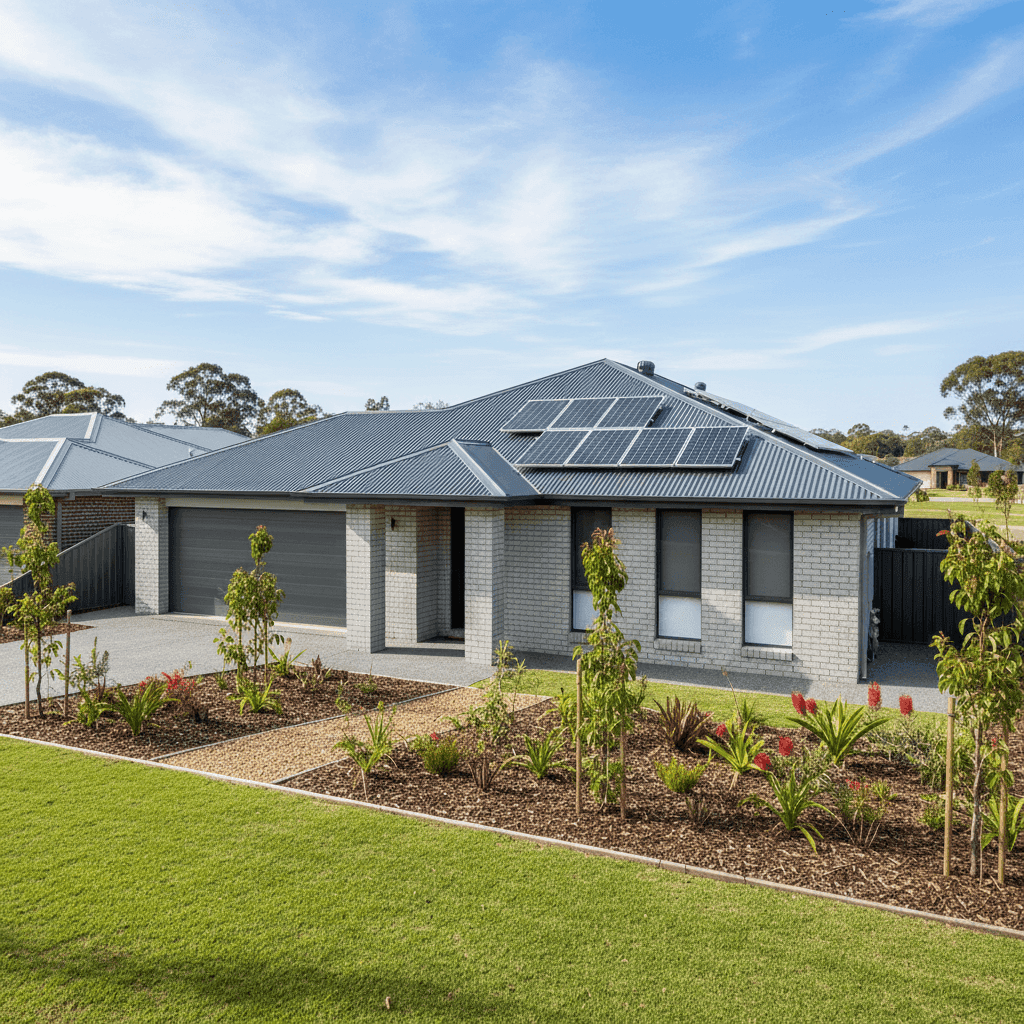
Cooranbong is a quiet residential suburb nestled in the Lake Macquarie local government area of New South Wales, sitting about an hour north of Sydney. It's a popular choice for families seeking a relaxed lifestyle without straying too far from the Hunter Valley's amenities. If you own — or are thinking of buying — a free standing home here, understanding what you should expect to pay for building insurance is an important part of managing your household budget. This article breaks down a real building-only insurance quote for a 4-bedroom, 2-bathroom free standing home in Cooranbong, and puts it into context against local, state, and national benchmarks.
---
Is This Quote Fair?
The quote in question comes in at $2,515 per year (or roughly $241 per month) for building-only cover on a free standing home with a sum insured of $450,000 and a building excess of $2,000.
Our price rating for this quote is CHEAP — Below Average, which is great news for the homeowner. To understand why, it helps to look at where this figure sits relative to what other Cooranbong homeowners are paying.
The suburb average premium for Cooranbong sits at $5,006 per year, with a median of $4,484. That means this quote is roughly 50% below the suburb average — a substantial saving. Even when compared against the 25th percentile of local quotes (meaning only one-in-four homes in the area pay less), the figure of $2,553 is still marginally higher than this quote. In other words, this is among the most competitively priced policies available in the area.
At a state level, the NSW average home insurance premium is $3,801 per year, with a median of $3,410. This quote beats both figures comfortably. Nationally, the average premium across Australia sits at $2,965, with a median of $2,716 — and again, this quote comes in below both, placing it in genuinely affordable territory by any measure.
---
How Cooranbong Compares
One of the more striking findings from Cooranbong's local insurance data is just how wide the pricing spread is within the suburb itself. With quotes ranging from around $2,553 at the 25th percentile all the way to $6,451 at the 75th percentile, there's a difference of nearly $4,000 per year between the cheaper and more expensive end of the market — for what could be very similar homes.
| Benchmark | Annual Premium |
|---|---|
| This Quote | $2,515 |
| Cooranbong 25th Percentile | $2,553 |
| Cooranbong Median | $4,484 |
| Cooranbong Average | $5,006 |
| Cooranbong 75th Percentile | $6,451 |
| NSW Average | $3,801 |
| National Average | $2,965 |
| LGA (Cessnock) Average | $2,462 |
It's also worth noting that the Cessnock LGA average sits at $2,462 — very close to this quote — suggesting that properties in this part of NSW tend to attract more competitive premiums than many other parts of the state. This likely reflects a combination of lower flood and bushfire risk ratings for certain pockets of the region, as well as the relatively modern housing stock in suburbs like Cooranbong.
---
Property Features That Affect Your Premium
Several characteristics of this particular property work in the homeowner's favour when it comes to insurance pricing.
New construction (2025): A brand-new home is one of the strongest indicators of a lower-risk property. Modern builds must comply with current Australian building codes, which include improved structural standards, better fire resistance, and more robust weatherproofing. Insurers generally view newer homes favourably.
Brick veneer external walls: Brick veneer is a widely used and well-regarded construction type in Australia. It offers solid fire resistance and durability, which typically translates to more competitive premiums compared to timber-framed or clad alternatives.
Steel/Colorbond roof: Colorbond steel roofing is a popular choice in Australian suburbs for good reason — it's lightweight, durable, and performs well in heat and moderate weather events. It also tends to attract lower premiums than older roofing materials like terracotta tiles, which can be more expensive to repair or replace.
Concrete slab foundation: Slab-on-ground construction is standard for newer homes in NSW and is generally considered low risk from an insurance perspective, as it eliminates the subsidence and pest concerns sometimes associated with raised timber stumps.
Solar panels: The home includes rooftop solar panels, which are worth noting. Some insurers include solar panels under building cover automatically, while others may treat them as a separate item or require an additional sum insured. It's worth confirming with your insurer that the panels are explicitly covered under the policy.
Ducted climate control: Ducted air conditioning systems are a significant built-in feature. As with solar, it's important to verify that these systems are factored into the building sum insured, as they can be costly to repair or replace following an insured event.
No pool, no cyclone risk zone: The absence of a pool removes a common liability and maintenance concern for insurers. And while parts of NSW can experience severe storms, Cooranbong is not classified as a cyclone risk area, which helps keep premiums lower compared to properties in northern Queensland or the NT.
---
Tips for Homeowners in Cooranbong
1. Review your sum insured regularly. With a sum insured of $450,000 on a brand-new 4-bedroom home, it's worth revisiting this figure annually. Building costs have risen significantly across Australia in recent years, and being underinsured can leave you seriously out of pocket in the event of a total loss. Use a building cost calculator to sense-check your coverage each year.
2. Confirm solar panels and ducted systems are covered. As mentioned above, these are high-value features that may require specific mention in your policy. Ask your insurer directly whether they are included in the building sum insured or whether you need to adjust your coverage.
3. Don't assume your renewal price will stay low. This quote is competitively priced right now, but insurance premiums can shift at renewal — sometimes significantly. Set a reminder to compare quotes before your policy renews each year rather than accepting the renewal offer automatically.
4. Consider the excess trade-off. This policy carries a $2,000 building excess. A higher excess generally means a lower premium, but it also means more out-of-pocket expense if you need to make a claim. Think about whether this level of excess suits your financial situation, and compare options with different excess levels to find the right balance.
---
Compare Your Own Quote
Whether you're a new homeowner in Cooranbong or simply wondering if you're getting a fair deal on your existing policy, it pays to compare. CoverClub makes it easy to see how your premium stacks up against real data from your suburb, your state, and across Australia. Get a quote today at CoverClub and find out if you're paying too much — or if you've already found a great deal.