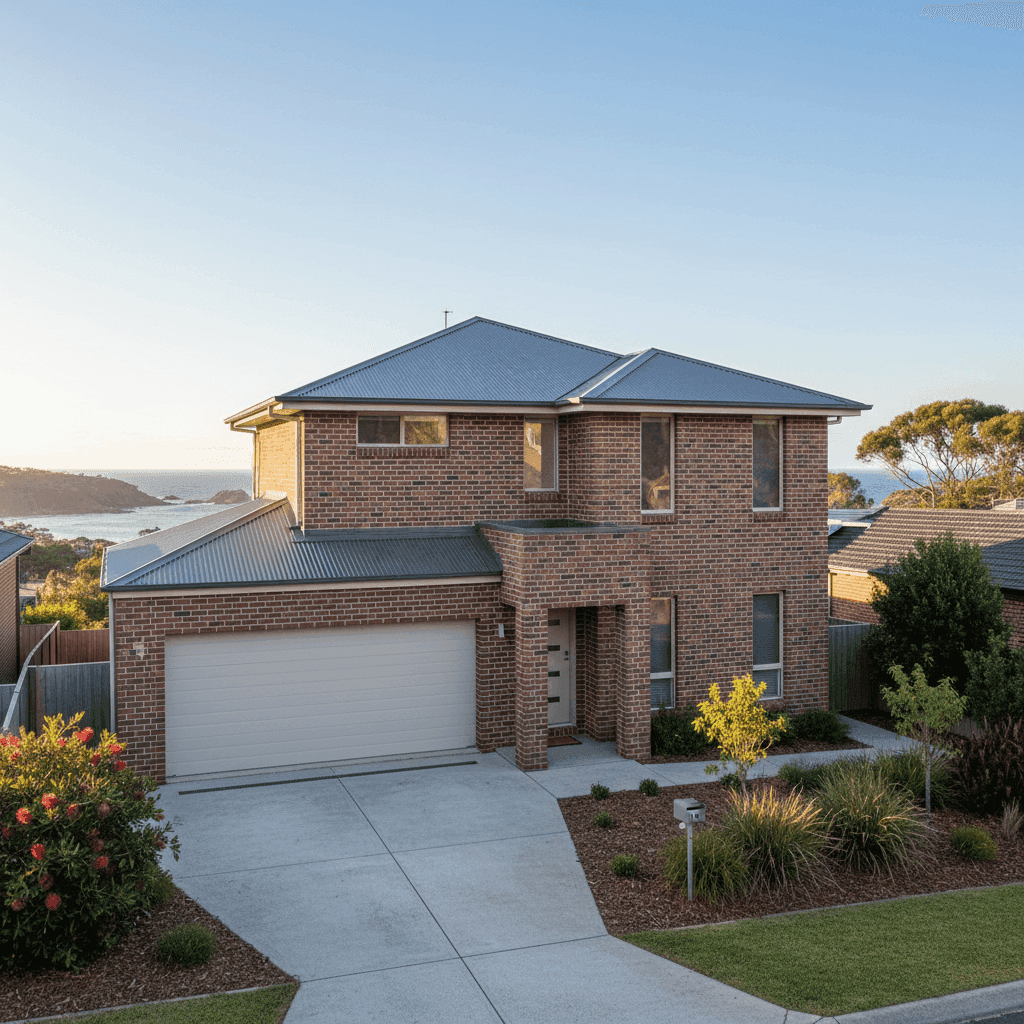
Copacabana is a relaxed coastal suburb on the Central Coast of New South Wales, sitting between the Pacific Ocean and the scenic bushland of Brisbane Water National Park. It's a popular spot for families and sea-changers alike — but like many coastal and bush-adjacent properties, insuring a home here comes with its own set of considerations. This article breaks down a real building insurance quote for a three-bedroom free standing home in Copacabana (postcode 2251), and puts it in context against local, state, and national benchmarks.
---
Is This Quote Fair?
The quote in question sits at $2,522 per year (or $242 per month) for building-only cover, with a $1,000 building excess and a sum insured of $460,000. Our price rating for this quote is CHEAP — below the suburb average — which is genuinely good news for the homeowner.
To put that in perspective: the average premium across the seven quotes sampled for Copacabana (postcode 2251) sits at $4,615 per year, with a median of $4,631. That means this quote is coming in at roughly 45% below the local average — a significant saving on what is already a meaningful household expense. Even the cheapest quartile of Copacabana quotes (the 25th percentile) averages $4,343 per year, so this result is well below what most locals are paying.
In short: yes, this is a fair quote — it's actually an excellent one by local standards.
---
How Copacabana Compares
Understanding your premium means looking beyond just the suburb. Here's how Copacabana sits within the broader insurance landscape:
| Benchmark | Premium |
|---|---|
| This quote | $2,522/yr |
| Copacabana suburb average | $4,615/yr |
| Copacabana suburb median | $4,631/yr |
| Central Coast LGA average | $8,387/yr |
| NSW state average | $9,528/yr |
| NSW state median | $3,770/yr |
| National average | $5,347/yr |
| National median | $2,764/yr |
A few things stand out here. First, the LGA average for the Central Coast is a striking $8,387 — well above both the suburb average and the state median. This likely reflects the diversity of risk profiles across the Central Coast council area, which spans everything from flood-prone low-lying suburbs to exposed coastal and bushfire-adjacent locations.
Second, the NSW state average of $9,528 is notably high — pushed up by extreme outliers in high-risk postcodes. The state median of $3,770 is a far more representative figure for typical NSW homeowners, and this quote still comes in comfortably below that.
At the national level, the average premium is $5,347, while the median is $2,764. This quote sits just above the national median, which reinforces its competitive positioning.
You can explore more local data on the Copacabana suburb stats page, compare it to the NSW state overview, or browse national home insurance benchmarks.
---
Property Features That Affect Your Premium
Every home is different, and insurers price risk based on a combination of location, construction, and features. Here's how the specifics of this property likely influence what's being charged:
Brick veneer construction is generally viewed favourably by insurers. It offers solid fire resistance and structural durability compared to weatherboard or lightweight cladding, which can translate to lower premiums. Combined with a steel/Colorbond roof, this home has a roof material that resists fire and is low-maintenance — another tick in the insurer's risk assessment.
Slab foundation homes are common across coastal NSW and are generally straightforward to assess for risk. There's no underfloor cavity to trap moisture or create pest issues, which reduces some structural risk factors.
The timber and laminate flooring is worth noting — while attractive and popular, timber floors can be more susceptible to water damage than tiles. In a coastal environment like Copacabana, where humidity can be elevated, this is something homeowners should keep in mind when reviewing their policy's water damage provisions.
Built in 1979, this home is over 45 years old. Older properties can attract higher premiums if insurers factor in ageing infrastructure — particularly plumbing, electrical systems, and roofing. However, the Colorbond roof may indicate the roof has been updated at some point, which would work in the homeowner's favour.
The 235 sqm building size is a reasonable footprint for a three-bedroom home, and the $460,000 sum insured works out to roughly $1,957 per sqm — a figure that aligns broadly with current construction cost benchmarks in regional coastal NSW.
The ducted climate control system adds replacement value to the building and may marginally influence the premium. Notably, there's no pool and no solar panels — both of which can add complexity and cost to a policy — so their absence keeps things simpler.
---
Tips for Homeowners in Copacabana
1. Review your sum insured regularly. Construction costs have risen sharply in recent years. A sum insured set even two or three years ago may no longer reflect what it would actually cost to rebuild your home today. Use a building cost calculator or speak to a quantity surveyor to make sure you're not underinsured.
2. Understand your bushfire and storm risk. Copacabana sits adjacent to national park land, and the Central Coast has experienced significant bushfire and storm events in recent years. Check whether your policy includes adequate cover for these specific perils — not all standard policies treat them equally.
3. Shop around — and do it annually. As this quote demonstrates, premiums in Copacabana can vary enormously. The difference between the cheapest and most expensive quotes in this suburb can be thousands of dollars per year. Loyalty doesn't always pay with home insurance, so it's worth comparing options at each renewal.
4. Consider your excess carefully. This policy carries a $1,000 building excess. A higher excess typically reduces your premium, but make sure it's an amount you could genuinely afford to pay out of pocket at short notice. For most households, somewhere between $500 and $2,000 strikes a reasonable balance.
---
Compare Your Own Quote
Whether you're a Copacabana local or just researching what home insurance should cost in this part of the Central Coast, the numbers above offer a useful reference point. Premiums vary significantly depending on your insurer, your property's specific characteristics, and the level of cover you choose.
The best way to know if you're getting a fair deal is to compare. Get a home insurance quote at CoverClub and see how your premium stacks up against the suburb, state, and national benchmarks — in minutes, for free.