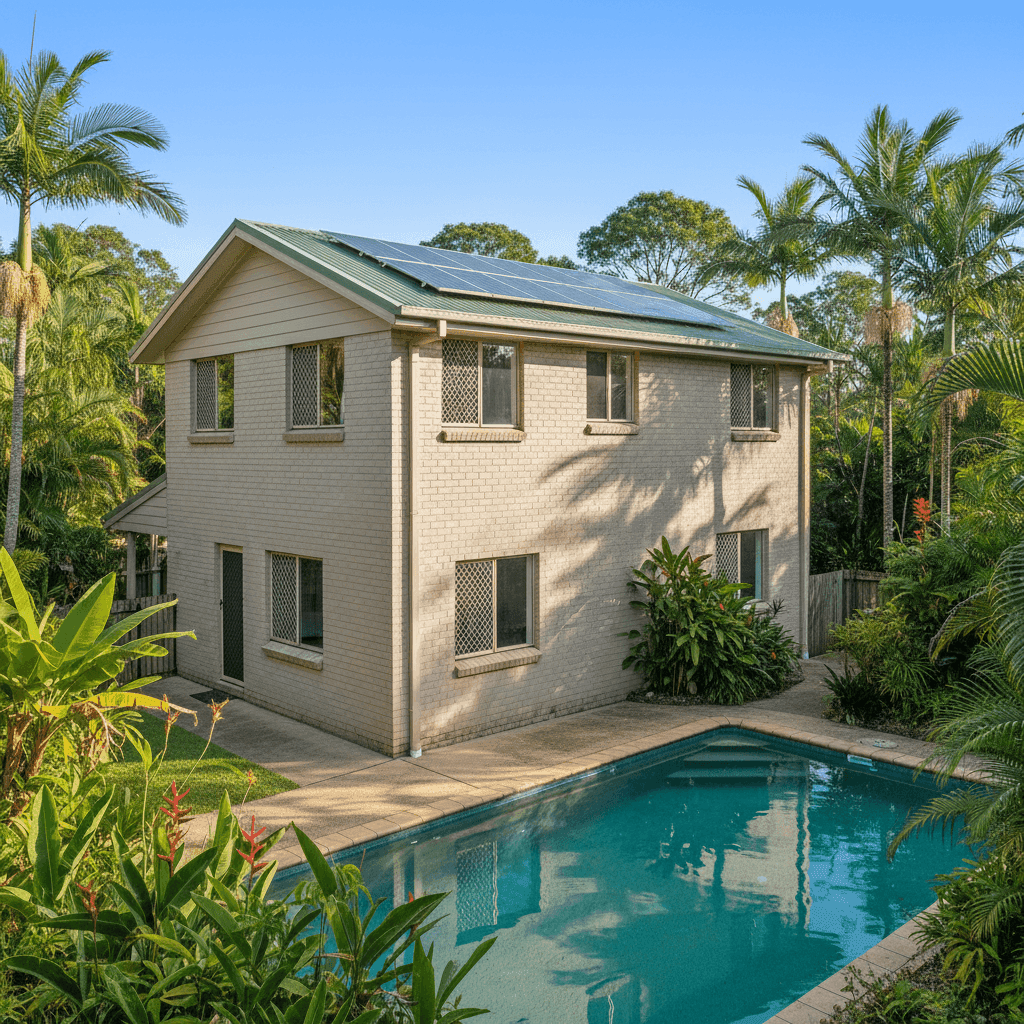
If you own a free standing home in Coquette Point, QLD 4860, you already know this part of Far North Queensland is one of Australia's most beautiful — and most weather-exposed — places to live. Nestled near the Johnstone River mouth on the Cassowary Coast, Coquette Point offers a lush, tropical lifestyle, but that same environment means insurers pay close attention when pricing your policy. This article breaks down a real home and contents insurance quote for a three-bedroom, double brick home in the area, and puts the numbers in context so you can judge whether you're getting a fair deal.
---
Is This Quote Fair?
The annual premium for this property came in at $3,564 per year (or $342/month), covering $672,000 in building sum insured and $28,000 in contents. CoverClub's pricing engine rates this quote as CHEAP — below average for the area.
That's a meaningful finding. Coquette Point sits within a designated cyclone risk zone, and properties in these regions routinely attract some of the steepest home insurance premiums in the country. A sub-$4,000 annual premium for a home with this level of building cover is genuinely competitive, and homeowners in similar circumstances would do well to benchmark it carefully before assuming it's the norm.
It's worth noting that the building excess is set at $5,000 and the contents excess at $2,000. Higher excesses are one of the most common levers insurers use to bring premiums down — so while the annual cost looks attractive, you'd need to be comfortable covering those out-of-pocket amounts in the event of a claim.
---
How Coquette Point Compares
Suburb-level aggregate data isn't available for Coquette Point, but the state and national figures tell a compelling story on their own.
| Benchmark | Average Premium | Median Premium |
|---|---|---|
| This Quote | $3,564/yr | — |
| QLD State | $9,129/yr | $3,903/yr |
| National | $5,347/yr | $2,764/yr |
| Tablelands LGA | $18,083/yr | — |
Compared to the Queensland state average of $9,129/yr, this quote is less than 40% of the typical cost — a substantial saving. Even against the national average of $5,347/yr, this premium comes in well below the mark.
Perhaps most striking is the Tablelands LGA average of $18,083/yr. This reflects the extreme cyclone and weather exposure that insurers price into properties across this region. Against that local benchmark, a $3,564 premium looks exceptionally cheap — though it's important to remember that LGA averages can be skewed by a range of property types, risk profiles, and coverage levels across a large geographic area.
The Queensland median of $3,903/yr is the most useful single comparison point here. At $3,564, this quote sits just below the state median, suggesting it's genuinely competitive without being suspiciously low. You can explore more local data on the Coquette Point insurance stats page.
---
Property Features That Affect Your Premium
Several characteristics of this property have a direct bearing on what insurers charge — and in this case, a number of them work in the homeowner's favour.
Double Brick Walls
Double brick construction is generally viewed positively by insurers. It offers strong resistance to wind and impact damage, which matters enormously in a cyclone-prone area. Compared to timber or lightweight cladding, brick homes tend to attract lower premiums for structural damage cover.
Steel / Colorbond Roof
Colorbond steel roofing is a practical and durable choice for tropical Queensland. It handles heat, rain, and wind well, and insurers typically regard it more favourably than older roofing materials like terracotta tiles or fibrous cement sheeting.
Slab Foundation & Tile Flooring
A concrete slab foundation provides a solid, stable base and reduces the risk of subsidence or underfloor moisture damage. Combined with tile flooring throughout, this property has a low-maintenance profile that limits exposure to water and pest-related claims.
Elevated (Less Than 1m)
The property is slightly elevated — under one metre — which provides a modest buffer against surface flooding. In a region that receives significant rainfall and is subject to cyclone-related storm surge, even a small amount of elevation can make a difference to flood risk assessment.
Swimming Pool
Pools add replacement value to a property and are factored into building sums insured. They also introduce a degree of liability risk. Homeowners should confirm their policy explicitly covers pool-related structures and any associated liability.
Solar Panels
Solar panels are increasingly common in Queensland, but they're not always automatically covered under standard home insurance. It's worth checking whether your policy includes panels as part of the building sum insured or whether a separate endorsement is needed.
Cyclone Risk Area
This is the most significant risk factor for this property. Coquette Point falls within a designated cyclone risk zone, which typically triggers higher premiums and may involve specific cyclone excess provisions — sometimes calculated as a percentage of the sum insured rather than a flat dollar amount. Always read the Product Disclosure Statement carefully to understand how cyclone damage is treated.
1984 Construction
Homes built in the 1980s can attract scrutiny from insurers around electrical wiring, plumbing, and roofing materials. If the property has been updated since construction, it's worth noting this when obtaining quotes, as renovations can positively influence your premium.
---
Tips for Homeowners in Coquette Point
1. Review your cyclone excess carefully Many insurers apply a separate, higher excess specifically for cyclone-related claims in Far North Queensland. This can be a flat amount or a percentage of your sum insured. On a $672,000 building, even a 2% cyclone excess would mean $13,440 out of pocket before your insurer contributes. Make sure you know exactly what applies to your policy.
2. Keep your sum insured accurate Building costs in regional Queensland have risen significantly in recent years. An outdated sum insured could leave you underinsured if you need to rebuild. Use a professional building cost estimator or speak with a local builder to validate your coverage amount annually.
3. Document your solar panels and pool separately Confirm in writing with your insurer that both your solar panel system and swimming pool are covered under your current policy. If they're not explicitly listed, you may need to add them — or find a policy that includes them as standard.
4. Harden your home before cyclone season Some insurers offer discounts or more favourable terms for homes that meet cyclone-resilience standards. Installing cyclone shutters, reinforcing garage doors, and ensuring your roof is properly strapped can reduce both your risk and potentially your premium over time.
---
Compare Home Insurance Quotes in Coquette Point
Whether this quote reflects your own situation or you're shopping around for the first time, it pays to compare. Premiums in Far North Queensland can vary enormously between insurers — even for properties with very similar risk profiles. Get a home insurance quote through CoverClub to see what's available for your property and make sure you're not paying more than you need to.