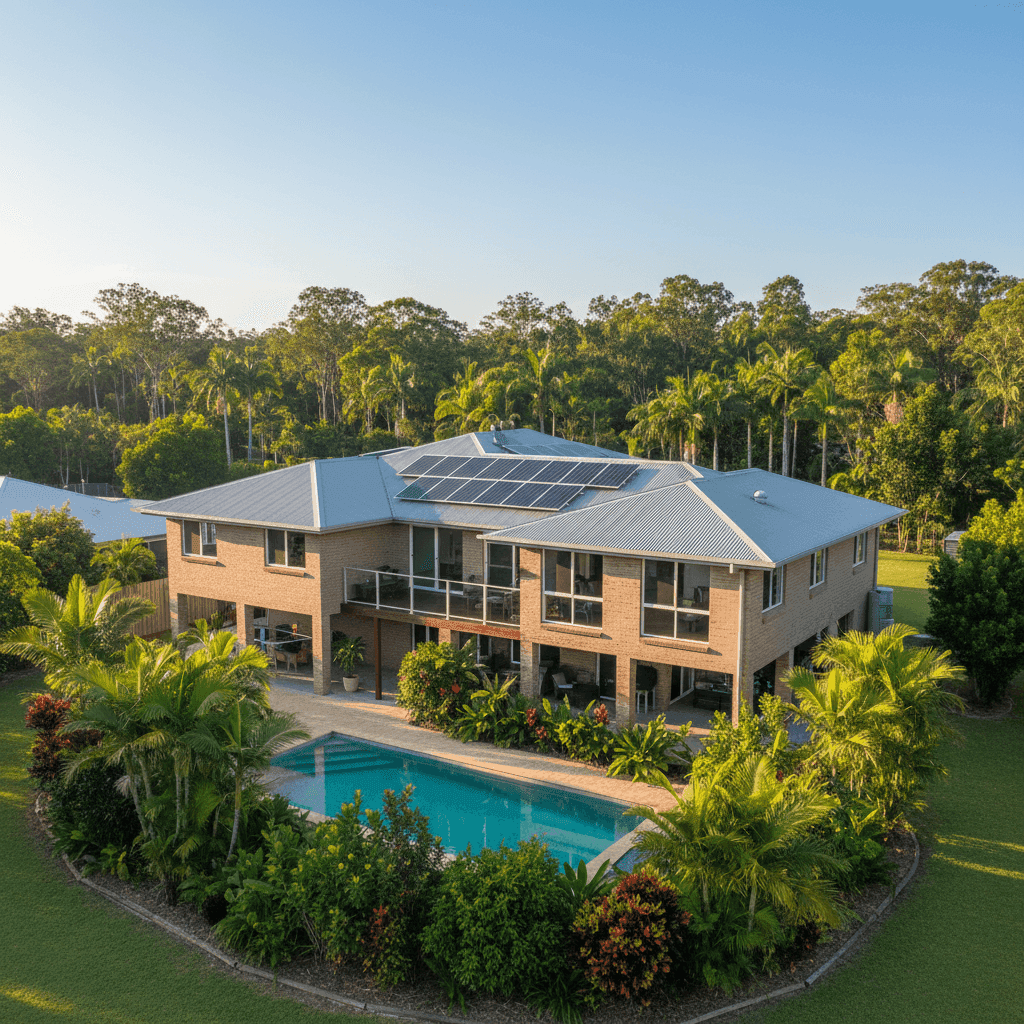
Nestled along the Johnstone River near Innisfail in Far North Queensland, Coquette Point is a quiet, semi-rural community that offers a relaxed lifestyle — but one that comes with some very real insurance considerations. If you own a free standing home in this postcode, understanding what drives your premium is essential to making sure you're properly protected without overpaying.
This article breaks down a recent home and contents insurance quote for a 3-bedroom, 1-bathroom free standing home in Coquette Point (QLD 4860), compares it against state and national benchmarks, and offers practical advice for local homeowners.
---
Is This Quote Fair?
The annual premium for this property came in at $3,872 per year (or $371/month), covering both building and contents with a building sum insured of $672,000 and contents valued at $50,000. Both the building and contents excess are set at $2,000.
Our pricing engine has rated this quote as CHEAP — below average for the area. That's genuinely good news for the homeowner, particularly given that Coquette Point sits within a designated cyclone risk zone, which typically pushes premiums significantly higher.
To put this in context: the Queensland state average premium sits at $9,129 per year, with a state median of $3,903. This quote comes in just below that median — a strong result for a property in a high-risk coastal and cyclone-prone region. At the national level, the average premium is $5,347 and the median is $2,764, so while this quote is above the national median, it's well below the national average.
In short: for what this property is, where it's located, and what it covers, this is a competitive result.
---
How Coquette Point Compares
Benchmarking this quote against available data paints a clear picture:
| Benchmark | Annual Premium |
|---|---|
| This Quote | $3,872 |
| QLD State Median | $3,903 |
| QLD State Average | $9,129 |
| National Median | $2,764 |
| National Average | $5,347 |
| Tablelands LGA Average | $18,083 |
The most striking figure here is the Tablelands Regional Council LGA average of $18,083 per year. This reflects just how expensive home insurance can be across this broader region, driven by cyclone exposure, flooding risk, and the challenges of building in tropical Far North Queensland. Against that backdrop, a premium of $3,872 looks exceptional.
No suburb-level comparison data is currently available for Coquette Point specifically, but you can check the latest local figures on the Coquette Point stats page as our data is updated regularly.
---
Property Features That Affect Your Premium
Several characteristics of this property will have influenced the premium — both positively and negatively.
Cyclone Risk Zone
This is the single biggest factor. Coquette Point sits in a designated cyclone risk area, and insurers price this in heavily. The Far North Queensland coast is regularly threatened by tropical cyclones between November and April, and properties in these zones attract significant loading. The fact that this premium remains competitive despite this risk is noteworthy.
Double Brick Construction
The external walls are double brick, which is generally viewed favourably by insurers. Double brick is robust, fire-resistant, and holds up well in high winds compared to lighter cladding materials. This likely provides some downward pressure on the premium.
Steel / Colorbond Roof
A Colorbond steel roof is a practical and durable choice for tropical climates. It's resistant to corrosion, handles heavy rainfall well, and is considered lower risk than older roofing materials like terracotta tiles, which can dislodge in high winds.
Slab Foundation & Tile Flooring
A concrete slab foundation is standard and generally unremarkable from an insurance perspective. Combined with tile flooring throughout, this property has a low-maintenance, flood-resilient interior setup — tiles are far easier to restore after water ingress than carpet or timber.
Age of the Property (1984)
At around 40 years old, the home is not brand new, but it's also not ancient. Insurers may factor in the age of plumbing, electrical systems, and roofing when pricing risk. It's worth ensuring these systems have been maintained or upgraded over the years.
Pool and Solar Panels
The presence of a swimming pool adds a small amount to the liability and contents risk profile, while solar panels represent an additional asset that needs to be covered. Both are reflected in the sum insured and are important to declare accurately.
Slightly Elevated Position
The property is elevated by less than 1 metre. While this is a modest elevation, it does provide some protection against surface water flooding — a relevant consideration in a low-lying tropical area like the Johnstone River floodplain.
---
Tips for Homeowners in Coquette Point
1. Review Your Building Sum Insured Annually
With a building sum insured of $672,000 for a 153 sqm home, the rebuild cost estimate is substantial — but construction costs in regional Far North Queensland are genuinely high due to transport costs, cyclone-rated building requirements, and labour availability. Review this figure every year, especially as material costs continue to rise.
2. Prepare for Cyclone Season
Insurers reward proactive risk management. Ensure your roof is secured with appropriate cyclone straps, keep gutters clear, and store loose items before storm season. Some insurers may also offer discounts for homes that meet certain cyclone-resilience standards under the Queensland Development Code.
3. Don't Underinsure Your Contents
At $50,000, the contents cover is on the modest side for a 3-bedroom home. Take time to conduct a proper home inventory — furniture, appliances, clothing, tools, and outdoor equipment (including pool equipment) can add up quickly. Underinsurance is one of the most common and costly mistakes homeowners make.
4. Compare Before You Renew
Even a "cheap" quote can be beaten. Insurance premiums in cyclone-prone areas can vary dramatically between providers, and loyalty doesn't always pay. Use a comparison tool like CoverClub to benchmark your renewal premium before accepting it automatically.
---
Ready to Compare Your Home Insurance?
Whether you're a first-time buyer in Coquette Point or a long-time local looking to make sure you're not overpaying, CoverClub makes it easy to compare home and contents insurance quotes in one place. Get a quote today and see how your current premium stacks up against the market.