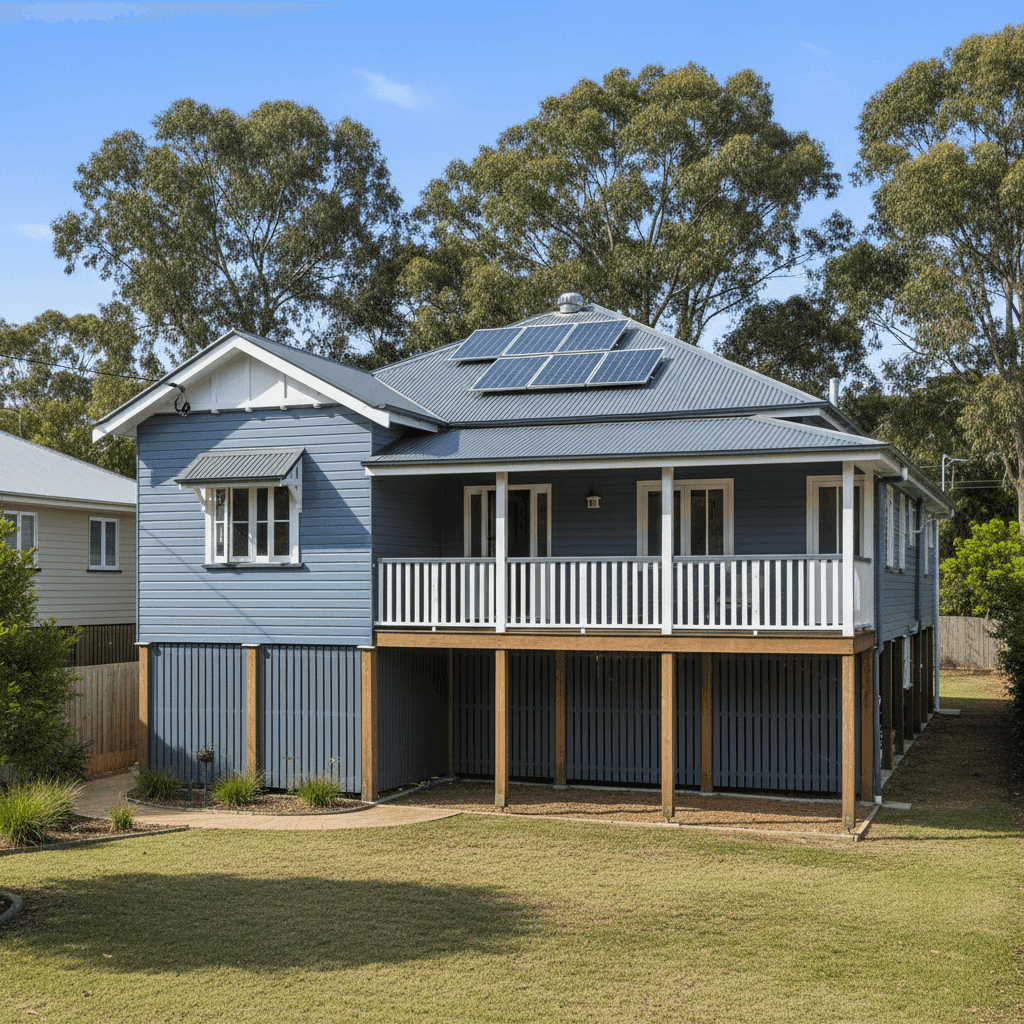
Corinda is a leafy, established suburb sitting about 12 kilometres south-west of Brisbane's CBD, known for its character homes, proximity to the Brisbane River, and family-friendly streets. For owners of a four-bedroom, three-bathroom free-standing home in this pocket of Queensland, securing the right home and contents insurance is a critical — and often costly — financial decision. This article breaks down a real insurance quote for a property in Corinda (postcode 4075), puts the premium in context, and offers practical guidance for homeowners looking to make sure they're getting value for money.
---
Is This Quote Fair?
The quote in question comes in at $17,999 per year (or $1,718 per month) for a combined home and contents policy. This covers a building sum insured of $682,000 and contents valued at $50,000, with a $1,000 excess applying to both building and contents claims.
Our price rating for this quote is Expensive — Above Average.
To understand why, it helps to look at the numbers in context. The suburb average premium for Corinda sits at $5,582 per year, with a median of $4,252. This quote is more than three times the suburb median — a significant gap that warrants a closer look.
That said, premiums are not one-size-fits-all. The building sum insured here ($682,000) is substantial, and several property characteristics — discussed in detail below — are likely pushing this figure upward. Still, a premium at this level deserves scrutiny, and homeowners should absolutely be shopping around before renewing or accepting a quote at this price point.
---
How Corinda Compares
To put this quote into broader perspective, here's how Corinda stacks up against Queensland and national benchmarks:
| Benchmark | Average Premium | Median Premium |
|---|---|---|
| Corinda (4075) | $5,582/yr | $4,252/yr |
| Brisbane LGA | $16,277/yr | — |
| Queensland | $9,129/yr | $3,903/yr |
| National | $5,347/yr | $2,764/yr |
A few things stand out here. First, Corinda's suburb average of $5,582 is actually close to the national average, suggesting the postcode itself is not an extreme outlier for insurance pricing. However, the Brisbane LGA average of $16,277 tells a very different story — when you zoom out to the broader local government area, premiums are dramatically higher, likely reflecting flood-affected and high-risk properties across the city pulling that figure up.
The quote of $17,999 sits above even the Brisbane LGA average, placing it firmly in the top tier of what homeowners across the city are paying. For context, the suburb's 75th percentile premium is $5,832 — meaning this quote is well above what even the most expensive quarter of Corinda policies typically cost (based on our sample of 29 quotes from this suburb).
It's worth noting that our suburb sample size of 29 quotes is relatively modest, so individual variation can be significant. Still, the gap between this premium and the local benchmarks is large enough to suggest that comparison shopping could yield meaningful savings.
---
Property Features That Affect Your Premium
Several characteristics of this property are likely contributing to the elevated premium. Understanding these factors can help you have more informed conversations with insurers.
Weatherboard Timber Construction
Older weatherboard homes are generally considered higher risk by insurers than brick or rendered masonry. Timber walls are more susceptible to fire, termite damage, and general wear, which typically translates to higher premiums. This home was built in 1980, meaning the structure is over 40 years old — another factor that can increase rebuild cost estimates and risk assessments.
Elevated on Stumps
This property is elevated by at least one metre on stumps — a hallmark of classic Queensland architecture. While elevation can actually reduce flood risk by keeping the living areas above ground level, stumped foundations introduce their own considerations. Subfloor maintenance, timber stump deterioration, and the cost of restumping can all be factored into a building sum insured, potentially increasing the overall coverage amount required.
Timber and Laminate Flooring
The combination of timber flooring and weatherboard walls means a significant portion of the home's structure is timber-based. Timber floors can be expensive to repair or replace following water damage or fire, which contributes to a higher rebuild cost and, by extension, a higher sum insured.
High Building Sum Insured
At $682,000, the building sum insured is the single biggest driver of the premium. This figure reflects the estimated cost to completely rebuild the home from scratch — not its market value. For a 214 sqm weatherboard home with ducted climate control, solar panels, and quality fittings, a sum insured in this range is not unreasonable, but it does significantly influence what you'll pay.
Solar Panels and Ducted Climate Control
Both of these features add to the replacement value of the home. Solar panel systems can cost tens of thousands of dollars to replace, and ducted air conditioning systems are similarly expensive. Insurers factor these in when calculating premiums.
---
Tips for Homeowners in Corinda
1. Compare Multiple Quotes Before Renewing
With a premium this far above the suburb median, this is the single most impactful thing you can do. Get a comparison quote at CoverClub to see how different insurers price your specific property. Premiums for the same home can vary by thousands of dollars between providers.
2. Review Your Building Sum Insured
Make sure your sum insured accurately reflects the rebuild cost of your home — not the market value, and not an inflated estimate. Overinsuring is a common reason premiums run high. Consider using a professional building cost estimator or asking your insurer to justify the figure they've used.
3. Ask About Discounts for Security and Safety Features
Many insurers offer premium reductions for homes with monitored alarm systems, deadlocks, smoke detectors, and other safety features. If your home has these, make sure your insurer knows — and if it doesn't, adding them could pay for itself in premium savings over time.
4. Consider Your Excess Level
A $1,000 excess is fairly standard, but opting for a higher excess (say, $2,500 or $5,000) can meaningfully reduce your annual premium. If you're a low-claims household with a solid emergency fund, this trade-off may be worth exploring.
---
Ready to Find a Better Deal?
A premium of nearly $18,000 per year is a significant household expense — and there's a real chance you could be paying less for equivalent cover. CoverClub makes it easy to compare home and contents insurance quotes for your Corinda property in minutes. Start your free quote comparison today and see how much you could save. You can also explore detailed insurance stats for Corinda and the broader Queensland market to benchmark your own policy.