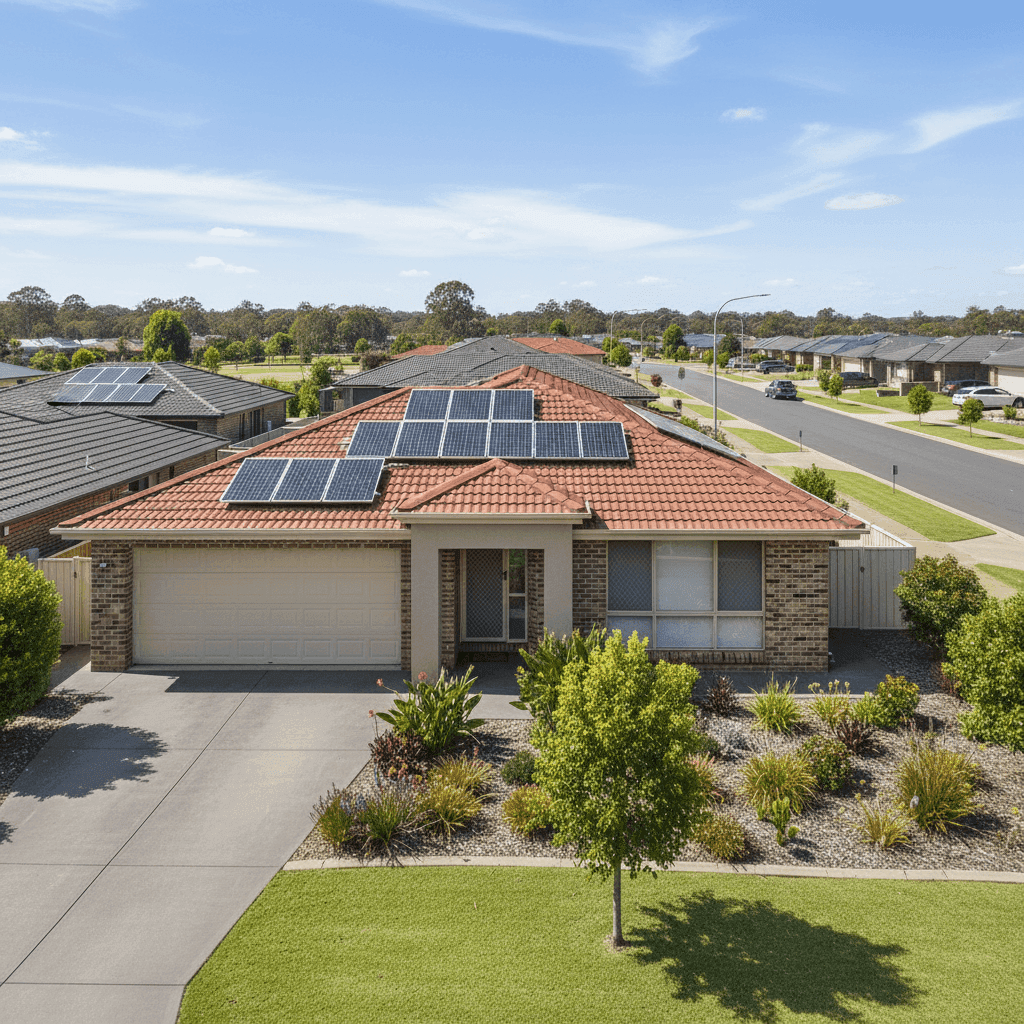
Cornubia is a quiet, established suburb in the Redland City local government area, sitting on the southern fringe of Brisbane. Known for its leafy streets and family-friendly atmosphere, it's a popular choice for homeowners seeking a balance between suburban comfort and proximity to the city. If you own a free standing home here, understanding what you should be paying for home and contents insurance — and why — is an important part of protecting one of your biggest assets.
This article breaks down a real insurance quote for a 3-bedroom, brick veneer home in Cornubia (postcode 4130), comparing the premium against local, state, and national benchmarks to help you make a more informed decision.
---
Is This Quote Fair?
The quote in question came in at $1,018 per year (or roughly $99/month) for combined home and contents cover, with a building sum insured of $500,000 and contents valued at $50,000. The building excess sits at $3,000, and the contents excess at $600.
Our pricing analysis rates this quote as CHEAP — below average — which is genuinely good news for the homeowner. To put it in perspective:
- The Queensland state average for home insurance is $4,547/year, with a median of $3,931
- The national average sits at $2,965/year, with a median of $2,716
- The Redland LGA average is $3,312/year
At $1,018, this quote is approximately 78% below the Queensland state average and 66% below the national average. Even against the Redland LGA average of $3,312, the saving is substantial — more than $2,200 per year. By any measure, this is a competitively priced policy, and homeowners in a similar situation should feel confident they're getting solid value.
That said, price alone doesn't tell the whole story. It's worth checking what's included in the policy — particularly around storm damage, escape of liquid, and contents cover sub-limits — to ensure the low premium isn't the result of significant exclusions or gaps in cover.
---
How Cornubia Compares
While suburb-level comparison data isn't available for Cornubia specifically, we can draw meaningful conclusions from the broader regional picture. You can explore Cornubia's insurance stats as more data becomes available, and compare against QLD-wide figures or the national picture.
Queensland as a whole carries some of the highest home insurance premiums in the country, largely driven by the elevated risk of cyclones, flooding, and severe storms across much of the state. However, Cornubia sits outside designated cyclone risk zones, which likely contributes to the more favourable pricing seen in this quote.
The Redland LGA average of $3,312/year reflects a broad range of properties across the region — including coastal and bayside areas that may carry higher flood or storm surge risk. Cornubia's inland position and established infrastructure likely place it at the lower end of that spectrum.
For broader context on what Australians are paying, national insurance statistics show just how wide the variation can be depending on location, property type, and insurer.
---
Property Features That Affect Your Premium
Several characteristics of this particular property work in the homeowner's favour when it comes to pricing:
Brick Veneer Construction Brick veneer walls are generally viewed favourably by insurers. They offer solid fire resistance and structural durability compared to timber-framed or clad alternatives, which can translate into lower premiums.
Tiled Roof Concrete or terracotta tiles are among the more resilient roofing materials in Australian conditions. They hold up well against hail and wind (outside of cyclone zones) and are less prone to the rapid deterioration seen with older iron or asbestos roofing.
Slab Foundation A concrete slab foundation is considered low-risk by most insurers — it's structurally stable, less susceptible to subsidence, and doesn't carry the moisture-related risks associated with elevated or timber-framed stumped foundations.
1995 Construction Homes built in the mid-1990s benefit from modern building codes that improved structural standards, while also being old enough to have a well-established track record. This vintage tends to sit in a sweet spot for insurers.
Solar Panels The property includes solar panels, which are worth noting from an insurance perspective. Most home policies will cover rooftop solar panels as part of the building, but it's worth confirming this with your insurer — particularly around storm damage or panel failure scenarios.
Standard Fittings Standard-quality fittings mean the cost to repair or replace internal fixtures is predictable and moderate, avoiding the premium loading that can come with high-end or custom finishes.
No Pool The absence of a swimming pool removes a common source of liability risk and potential claims, which can subtly influence pricing.
---
Tips for Homeowners in Cornubia
1. Review Your Sum Insured Annually Building costs have risen significantly across Queensland in recent years due to labour shortages and material price increases. A $500,000 sum insured may be appropriate now, but it's worth reassessing each year to ensure you wouldn't be underinsured in the event of a total loss. Use a building cost calculator or speak to a quantity surveyor if you're unsure.
2. Confirm Solar Panel Cover With solar panels on the roof, check your policy wording carefully. Confirm whether the panels are covered under the building section, what events are included (storm, hail, accidental damage), and whether there's a sub-limit that applies.
3. Don't Over-Insure Contents, But Don't Under-Insure Either A $50,000 contents value is fairly modest for a 3-bedroom home. Walk through each room and do a rough inventory — furniture, electronics, appliances, clothing, and jewellery can add up quickly. Most insurers allow you to adjust contents cover without significantly impacting the premium.
4. Consider the Excess Trade-Off The building excess on this policy is $3,000 — on the higher side. While a higher excess typically reduces your premium, it also means more out-of-pocket cost if you need to make a claim. Think about whether that level of excess is comfortable for your financial situation, and compare quotes with different excess options to find the right balance.
---
Ready to Compare?
Whether you're renewing your existing policy or shopping around for the first time, comparing quotes is one of the easiest ways to make sure you're not overpaying. Get a home insurance quote at CoverClub and see how your property stacks up — it only takes a few minutes, and the savings could be significant.