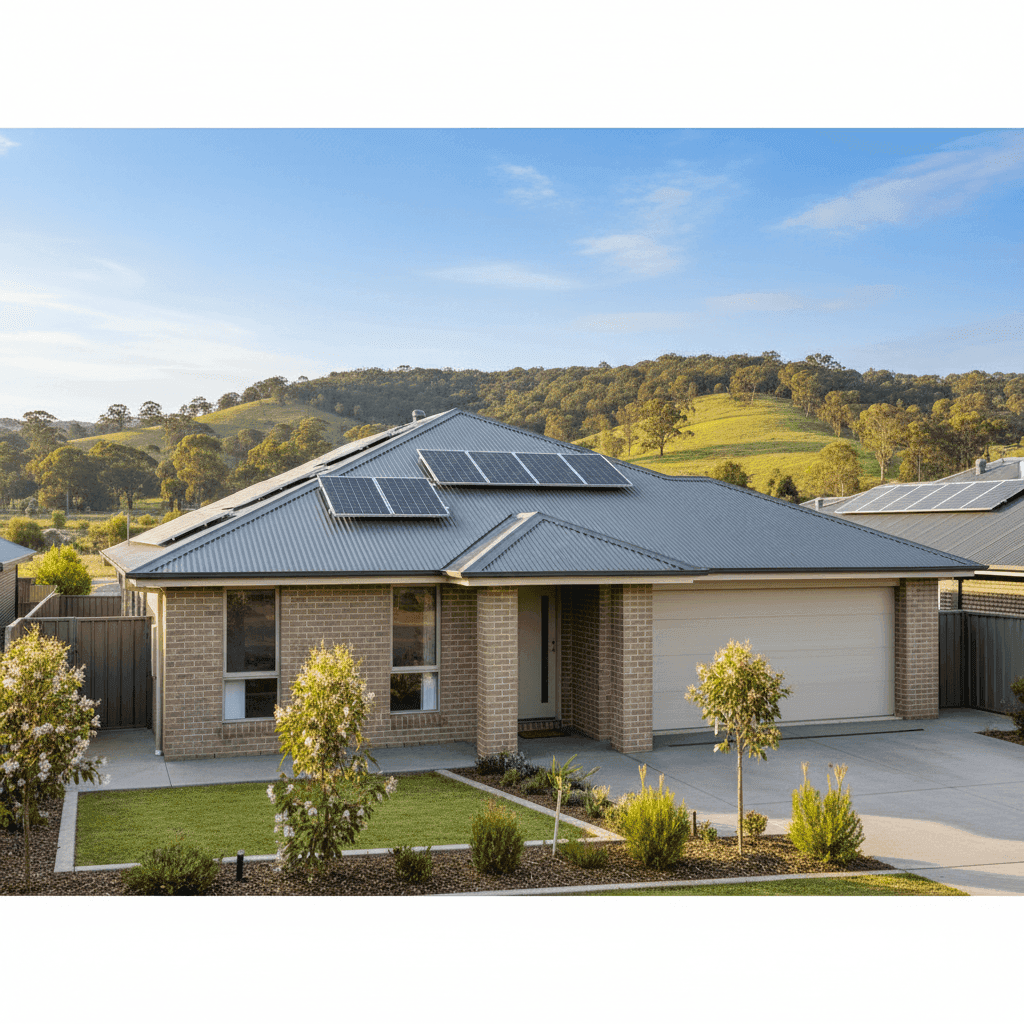
Nestled in the Adelaide Hills foothills, Coromandel Valley is a leafy, semi-rural suburb in South Australia's City of Onkaparinga. It's a popular choice for homeowners who want a quieter lifestyle without straying too far from the CBD — but like any suburb with bushland surrounds and hilly terrain, home insurance is an important consideration. This article breaks down a recent home and contents insurance quote for a 2-bedroom, free-standing home in Coromandel Valley (SA 5051), comparing it against local, state, and national benchmarks to help you understand what you're paying — and why.
---
Is This Quote Fair?
The quote in question comes in at $1,636 per year (or roughly $160/month) for a combined home and contents policy. The building is insured for $375,000, with contents covered to $50,000. The building excess sits at $2,000 and the contents excess at $1,000.
Our pricing analysis rates this quote as FAIR — around average. That's a reasonable result, but it's worth unpacking what "average" actually means in this context.
Within Coromandel Valley itself, the suburb average premium is $1,358/yr and the median is $1,429/yr, which means this quote sits above the typical range for the area. However, it falls comfortably within the suburb's 75th percentile of $1,666/yr, suggesting it's not an outlier — just on the higher end of what locals tend to pay. The higher sum insured ($375,000 for the building alone) is likely a key driver here, as it exceeds what some comparable properties in the suburb are insured for.
Zooming out, this quote looks increasingly competitive. The South Australian average is $1,933/yr and the national average sits at $2,965/yr — meaning this homeowner is paying significantly less than both state and national norms. That's a meaningful saving, and it reflects the relatively lower-risk profile of a well-built, post-2000 home in a non-cyclone zone.
---
How Coromandel Valley Compares
To put this quote in full perspective, here's how the numbers stack up across different geographic levels:
| Benchmark | Average Premium | Median Premium |
|---|---|---|
| Coromandel Valley (SA 5051) | $1,358/yr | $1,429/yr |
| LGA (Onkaparinga) | $1,536/yr | — |
| South Australia | $1,933/yr | $1,787/yr |
| National | $2,965/yr | $2,716/yr |
This quote: $1,636/yr
Coromandel Valley sits well below both the SA and national averages — a reflection of the suburb's stable risk environment. The area doesn't face cyclone exposure, and while bushfire risk is a real consideration for Adelaide Hills properties, the suburb's positioning and the home's construction characteristics appear to keep premiums in a manageable range.
The LGA average of $1,536/yr (City of Onkaparinga) provides another useful data point. This quote is about $100 above the LGA average, which again points to the higher-than-typical sum insured as the likely differentiator rather than any elevated risk factor.
---
Property Features That Affect Your Premium
Several characteristics of this particular home will influence how insurers price the risk. Here's what stands out:
Brick Veneer Walls & Colorbond Roof This combination is one of the most insurer-friendly you'll find. Brick veneer is durable, fire-resistant, and widely understood by underwriters. Colorbond steel roofing is similarly well-regarded — it's lightweight, long-lasting, and performs well in high-wind and fire-prone environments. Homes with these materials typically attract more competitive premiums than those with timber weatherboard or older tile roofs.
Slab Foundation A concrete slab foundation is considered low-risk by most insurers. It reduces the likelihood of subsidence-related claims and eliminates the underfloor moisture and pest issues that can affect homes on stumps or piers.
Construction Year: 2007 Homes built after 1990 — and especially those built to post-2000 building codes — generally benefit from more favourable pricing. Modern construction standards incorporate improved fire, wind, and structural safety requirements, which translates to lower expected claims costs.
Solar Panels The presence of solar panels adds a modest layer of complexity to a home insurance policy. Panels represent a significant asset (often $5,000–$15,000 in replacement value) and can be damaged by hail, storms, or fire. It's worth confirming with your insurer that your solar system is explicitly covered under the building sum insured, as some policies treat it as an optional add-on.
Ducted Climate Control Ducted air conditioning systems are a valuable fixed asset and are generally covered under building insurance. However, they can be expensive to repair or replace, so ensuring your building sum insured adequately accounts for this is sensible.
No Pool The absence of a swimming pool removes one potential source of liability and maintenance-related claims, which can nudge premiums slightly lower.
Tile Flooring & Standard Fittings Tiled floors and standard-grade fittings are straightforward for insurers to price. High-end finishes — such as polished concrete, imported stone benchtops, or custom joinery — can push replacement costs (and therefore premiums) higher. Standard fittings keep things predictable.
---
Tips for Homeowners in Coromandel Valley
1. Review your building sum insured regularly Construction costs in South Australia have risen sharply in recent years. A sum insured of $375,000 for a 139 sqm home works out to approximately $2,698/sqm — which is within a reasonable range for a brick veneer home with standard fittings, but worth revisiting annually. Underinsurance is one of the most common and costly mistakes homeowners make.
2. Confirm solar panel coverage in writing Given the home has solar panels, contact your insurer to confirm exactly how they're covered. Ask whether storm, hail, and fire damage are included, and whether there's a separate sub-limit. If your system is high-value, it may be worth increasing your sum insured accordingly.
3. Consider bushfire preparedness as a premium lever Coromandel Valley's proximity to the Adelaide Hills means bushfire risk is a genuine consideration. Some insurers offer discounts or more favourable terms for homes with ember-proofed vents, metal gutters with leaf guards, and maintained defensible space around the property. Taking proactive steps not only protects your home — it can also support your case when negotiating with insurers.
4. Shop around at renewal time A "fair" rating means there's room to do better. With the suburb's 25th percentile sitting at just $977/yr, there are clearly more competitive options available in the market. Loyalty doesn't always pay in insurance — comparing quotes annually is one of the simplest ways to avoid overpaying.
---
Find a Better Deal with CoverClub
Whether you're renewing your policy or buying a new home in Coromandel Valley, it pays to compare. CoverClub makes it easy to see how your current premium stacks up and find policies that better match your needs and budget. Get a home insurance quote today and find out if you're getting the best value available in your area.