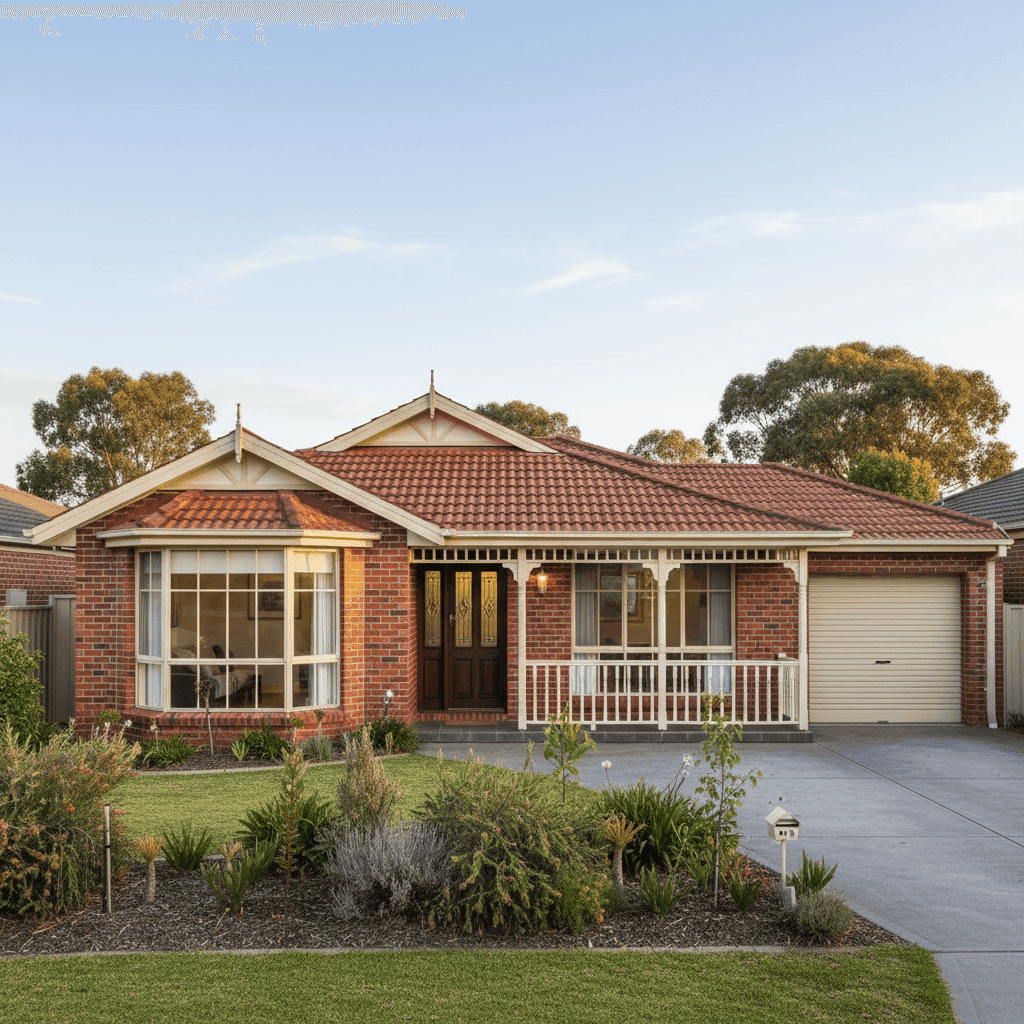
If you own a free standing home in Craigieburn, VIC 3064, you're likely no stranger to the question: am I paying too much for home insurance? Craigieburn is one of Melbourne's fastest-growing northern suburbs, and as property values continue to climb, making sure your home and contents are adequately protected — without overpaying — has never been more important. In this article, we break down a real home and contents insurance quote for a four-bedroom, brick veneer home in the area, and put it under the microscope against local, state, and national benchmarks.
---
Is This Quote Fair?
The quote in question comes in at $2,232 per year (or roughly $214/month) for combined home and contents cover. The building is insured for $646,000 and contents for $186,000, with a $500 excess on each.
Based on our pricing data, this quote is rated Expensive — above average for the Craigieburn area. Here's why that matters:
- The suburb average for home insurance in Craigieburn sits at $1,721/yr, and the median is even lower at $1,648/yr.
- This quote is approximately $511 above the suburb average — that's a 30% premium over what most Craigieburn homeowners are paying.
- It also sits above the 75th percentile of $1,963/yr, meaning it's more expensive than roughly three-quarters of comparable quotes in the area.
That said, context matters. This property carries a relatively high sum insured ($646,000 for the building alone), above-average fittings quality, and includes ducted climate control — all of which legitimately push premiums higher. The question isn't just whether the price is high, but whether the coverage justifies the cost.
---
How Craigieburn Compares
To truly understand whether this quote is reasonable, it helps to zoom out and look at the broader picture. You can explore the full Craigieburn insurance stats on CoverClub, but here's a quick summary:
| Benchmark | Premium |
|---|---|
| This quote | $2,232/yr |
| Craigieburn suburb average | $1,721/yr |
| Craigieburn suburb median | $1,648/yr |
| LGA (Whittlesea) average | $1,774/yr |
| VIC state average | $3,000/yr |
| VIC state median | $2,718/yr |
| National average | $5,347/yr |
| National median | $2,764/yr |
When you compare this quote to the broader Victorian market, it actually looks quite reasonable — it's well below both the state average ($3,000/yr) and median ($2,718/yr). And against national figures, where the average sits at a staggering $5,347/yr (heavily influenced by high-risk areas like Far North Queensland and coastal flood zones), this quote is positively modest.
The takeaway? This quote is on the higher end for Craigieburn specifically, but it's competitive when viewed through a state or national lens. Homeowners in this suburb benefit from relatively low insurance costs compared to the rest of Victoria — a reflection of the area's low cyclone risk, stable soils, and modern housing stock.
---
Property Features That Affect Your Premium
Several characteristics of this property have a direct bearing on what insurers charge. Understanding these can help you have more informed conversations with providers.
Brick veneer construction is generally viewed favourably by insurers. It offers solid fire resistance and structural durability, which typically keeps premiums lower compared to timber-framed homes with weatherboard cladding.
Tiled roof is another tick in the right column. Concrete or terracotta tiles are considered a low-risk roofing material — they're durable, fire-resistant, and less susceptible to storm damage than Colorbond or corrugated iron in many scenarios.
Slab foundation is standard for homes built in Melbourne's outer northern suburbs and is generally considered low-risk from an insurance perspective, assuming the slab is in good condition.
Timber and laminate flooring can be a factor in contents and building claims. Timber floors are more susceptible to water damage than tiles, which may be reflected in the premium.
Above-average fittings quality is a significant driver here. Homes with premium finishes — think stone benchtops, quality cabinetry, high-end appliances — cost more to repair or rebuild, and insurers price accordingly. This is likely one of the key reasons this quote sits above the suburb average.
Ducted climate control adds to the replacement cost of the home. A full ducted system can cost $10,000–$20,000+ to replace, and insurers factor this into the building sum insured.
Construction year (2005) works in the homeowner's favour. Modern building codes mean better structural integrity, improved fire safety standards, and more predictable repair costs compared to homes built in the 1970s or 80s.
---
Tips for Homeowners in Craigieburn
Whether you're reviewing an existing policy or shopping around for the first time, here are four practical steps to make sure you're getting the best value.
- Review your sum insured regularly. Building costs have risen sharply in recent years. Make sure your $646,000 building sum insured reflects current construction costs in your area — not what it cost to build in 2005. Underinsurance is one of the most common and costly mistakes Australian homeowners make.
- Bundle your building and contents cover. Many insurers offer discounts when you combine home and contents into a single policy. This quote already does this, but if you're comparing, always check whether bundling delivers better value than separate policies.
- Consider a higher excess to reduce your premium. The current $500 excess is fairly standard. Opting for a $1,000 or $1,500 excess could meaningfully reduce your annual premium — just make sure you can comfortably cover that amount out of pocket in the event of a claim.
- Don't over-insure your contents. A $186,000 contents sum is substantial. Take the time to do a proper home contents inventory — many Australians discover they've been paying to insure items they no longer own, or that their actual contents value is lower than estimated.
---
Compare Your Options with CoverClub
Insurance premiums vary enormously between providers, even for identical properties. The best way to know whether you're getting a fair deal is to compare. At CoverClub, we make it easy to see what other homeowners in Craigieburn are paying and get quotes tailored to your property. Start comparing home insurance quotes today — it takes just a few minutes and could save you hundreds of dollars a year.