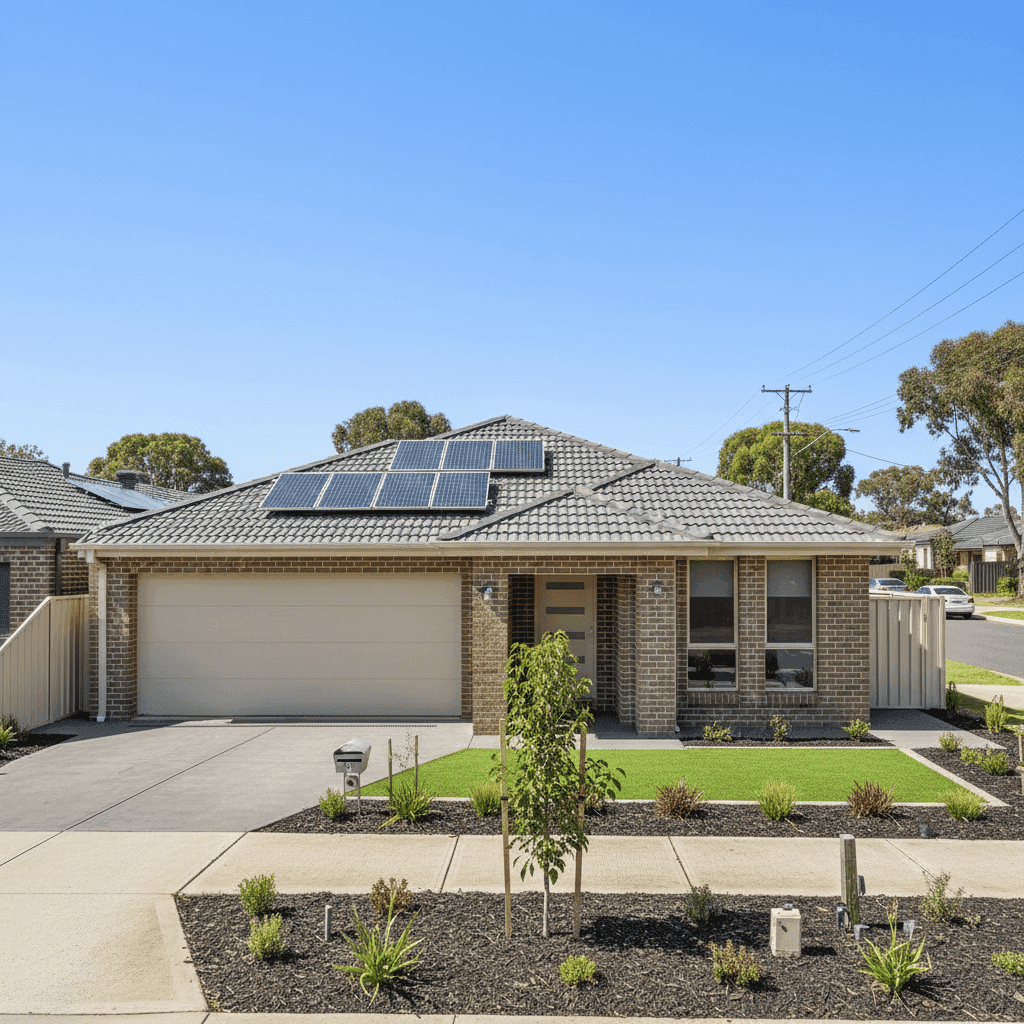
Craigieburn, a thriving outer-northern suburb of Melbourne, has seen significant residential growth over the past decade — and with that growth comes the very real need to protect your home. This article breaks down a real home and contents insurance quote for a three-bedroom, free-standing home in Craigieburn (VIC 3064), comparing it against local, state, and national benchmarks to help you understand whether you're getting a fair deal.
---
Is This Quote Fair?
The quote in question comes in at $1,150 per year (or $115/month) for combined home and contents cover, with a building sum insured of $859,000 and contents valued at $50,000. The building excess is $3,000 and the contents excess is $1,000.
Our price rating for this quote is FAIR — Around Average.
At first glance, $1,150/yr sits comfortably below the Craigieburn suburb average of $1,626/yr and the suburb median of $1,425/yr. However, when you factor in the relatively high building excess of $3,000, some of that apparent saving is offset by the greater out-of-pocket cost if you ever need to make a claim. A lower premium with a higher excess is a common trade-off, and it can work well for homeowners who are unlikely to make small claims and prefer to keep ongoing costs down.
The "Fair" rating reflects that while the premium is below average for the area, the excess structure means the overall value sits in the middle of the road rather than being an outright bargain.
---
How Craigieburn Compares
To put this quote in proper context, here's how it stacks up across different geographic benchmarks:
| Benchmark | Average Premium | Median Premium |
|---|---|---|
| Craigieburn (3064) | $1,626/yr | $1,425/yr |
| LGA: Whittlesea | $1,774/yr | — |
| Victoria (VIC) | $2,921/yr | $2,694/yr |
| National | $2,965/yr | $2,716/yr |
(Based on [Craigieburn suburb data](https://coverclub.com.au/stats/VIC/3064/craigieburn) from 28 quotes, [VIC state data](https://coverclub.com.au/stats/VIC), and [national averages](https://coverclub.com.au/stats/national).)
A few things stand out here. Craigieburn premiums are notably lower than both the Victorian and national averages — by a significant margin. The state average of $2,921/yr is more than 79% higher than the Craigieburn suburb average, which reflects the relatively low-risk profile of this part of Melbourne's north. There's no cyclone exposure, flood risk in this particular area is comparatively low, and the suburb's newer housing stock tends to attract more competitive pricing from insurers.
The quote of $1,150/yr sits just above the suburb's 25th percentile of $1,010/yr, meaning roughly 25% of quotes in the area come in cheaper — but 75% are more expensive. That context reinforces the "Fair" rating.
---
Property Features That Affect Your Premium
Several characteristics of this property have a meaningful influence on the premium:
Construction year (2018): A relatively modern build is a genuine advantage when it comes to insurance pricing. Homes constructed after 2010 generally comply with more stringent building codes, including improved bushfire and wind resistance standards. Insurers view newer homes as lower risk, which typically translates to more competitive premiums.
Brick veneer walls and tiled roof: This is one of the most common and well-regarded construction combinations in Australian suburban homes. Brick veneer offers solid fire and impact resistance, while tiled roofs are durable and widely understood by insurers. Both materials contribute to a favourable risk profile.
Slab foundation: A concrete slab is a stable and low-maintenance foundation type, particularly well-suited to the clay soils common in Melbourne's northern growth corridors. It reduces the risk of subsidence-related claims compared to older pier-and-beam foundations.
Solar panels: The property has solar panels installed, which adds a small degree of complexity to the insurance picture. Solar panels are typically covered under building insurance, but it's worth confirming with your insurer that they're explicitly included — and that the sum insured is sufficient to cover replacement costs, which have risen in recent years.
Ducted climate control: Ducted heating and cooling systems are a significant fixed asset. At 235 sqm, this home is a decent size, and the ducted system adds to the replacement value of the building. It's one reason why ensuring the building sum insured is accurate is so important — underinsurance is a genuine risk for homes with premium fixtures.
Timber/laminate flooring: While not a major risk factor on its own, timber and laminate floors can be more susceptible to water damage than tiles. This is worth keeping in mind when reviewing your contents and building cover for water-related events.
---
Tips for Homeowners in Craigieburn
1. Review your building sum insured regularly. With a sum insured of $859,000 for a 235 sqm home built in 2018 with quality fittings, it's worth periodically checking that this figure keeps pace with rising construction costs. Building costs in Victoria have increased substantially since 2020, and being underinsured can leave you significantly out of pocket after a major claim. Use a building cost calculator or speak to a quantity surveyor if you're unsure.
2. Confirm solar panel coverage explicitly. Don't assume your solar panels are automatically covered. Ask your insurer to confirm they're included under your building policy, what the replacement value is, and whether damage from hail or storm is included. Given that panels are roof-mounted and exposed to the elements, this is a coverage gap worth closing.
3. Consider whether your contents sum insured is adequate. $50,000 in contents cover may be sufficient for a three-bedroom home with standard fittings, but it's easy to underestimate the cumulative value of furniture, appliances, clothing, and electronics. A quick home contents audit — going room by room — can help ensure you're not left short after a theft or fire.
4. Weigh up the excess vs. premium trade-off. The $3,000 building excess on this policy is on the higher side. If you have the financial buffer to cover that cost in an emergency, it's a reasonable way to keep premiums down. But if a $3,000 out-of-pocket expense would be a strain, it may be worth requesting quotes with a lower excess to compare the overall cost difference.
---
Compare Your Options with CoverClub
Whether you're a first-time buyer in Craigieburn or reviewing your existing cover, it pays to shop around. Premiums can vary widely between insurers for the same property — sometimes by hundreds of dollars. CoverClub makes it easy to compare home and contents insurance quotes tailored to your address and property details. Get a quote today and see how your current premium stacks up.