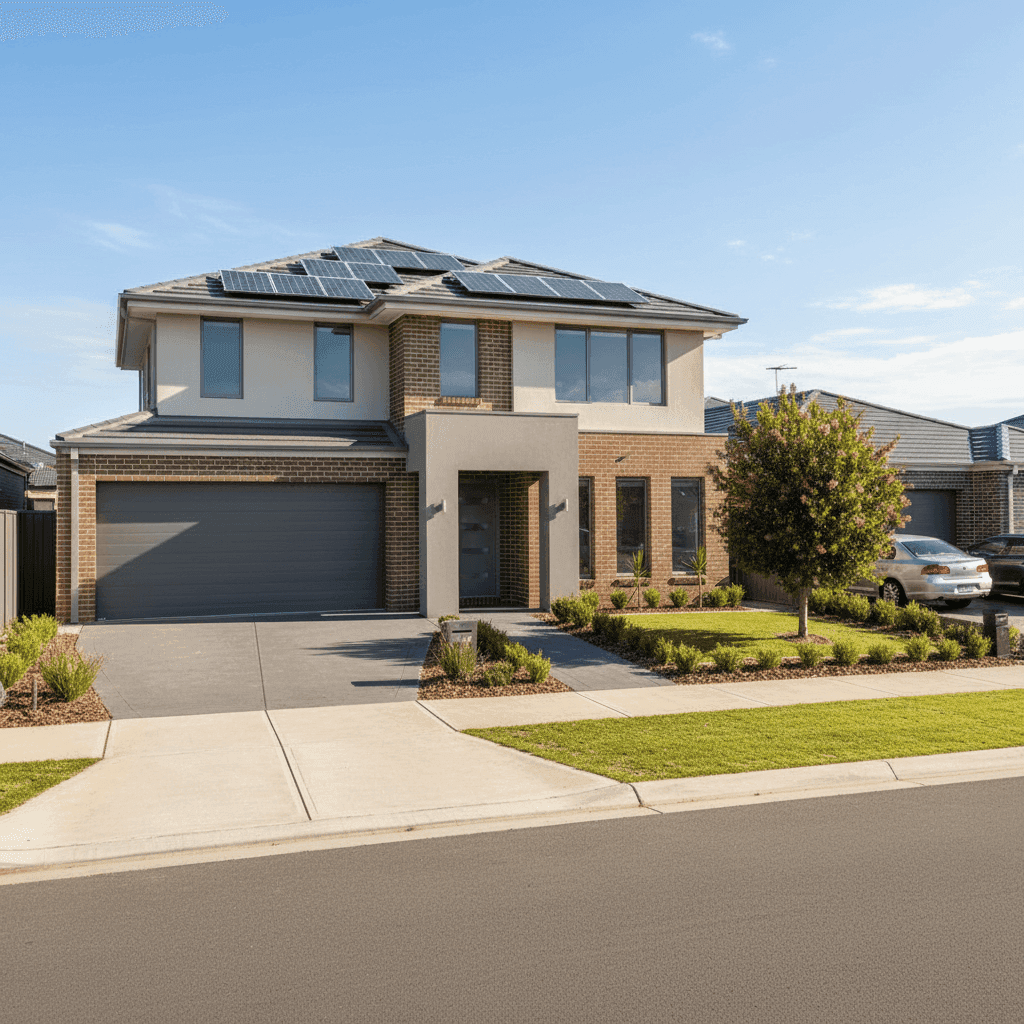
Craigieburn is one of Melbourne's fastest-growing northern suburbs, and with that growth comes a wave of newer, larger family homes — and the question of how much it costs to protect them. This article breaks down a real home and contents insurance quote for a five-bedroom free-standing home in Craigieburn (VIC 3064), compares it against local, state, and national benchmarks, and offers practical tips to help homeowners get the best value on their cover.
---
Is This Quote Fair?
The quote in question comes in at $1,642 per year (or $165/month) for combined home and contents cover, with a building sum insured of $1,159,000 and contents valued at $93,000. The building excess is $3,000 and the contents excess is $1,000.
Our price rating for this quote is FAIR — Around Average, and the data backs that up. At $1,642/yr, this premium sits comfortably within the middle of the range for Craigieburn. It's marginally above the suburb average of $1,626/yr and notably higher than the suburb median of $1,425/yr — meaning roughly half of comparable quotes in the area come in cheaper. That said, it falls well below the 75th percentile of $1,788/yr, so there's no cause for alarm.
In short: this isn't a bargain, but it's not an outlier either. Homeowners paying this premium are getting a broadly market-consistent price for their postcode.
---
How Craigieburn Compares
One of the standout takeaways from this quote is just how favourably Craigieburn stacks up against the broader market. Check out the numbers:
| Benchmark | Average Premium |
|---|---|
| Craigieburn (3064) | $1,626/yr |
| LGA: Whittlesea | $1,774/yr |
| Victoria | $2,921/yr |
| National | $2,965/yr |
The gap is striking. This Craigieburn quote is 44% below the Victorian average and nearly 45% below the national average. Even within the City of Whittlesea local government area, Craigieburn premiums run lower than the LGA average of $1,774/yr.
Why the difference? A few factors likely contribute. Craigieburn is a relatively low-risk suburb in terms of natural hazards — it's not in a cyclone zone, and while parts of outer Melbourne can be bushfire-prone, this area doesn't carry the same elevated risk premiums seen in regional Victoria or coastal Queensland. The suburb also features a high proportion of newer builds, which tend to attract more competitive pricing from insurers due to modern construction standards.
You can explore the full breakdown of premiums for this postcode at our Craigieburn suburb stats page, or compare against the Victorian state average and national figures.
---
Property Features That Affect Your Premium
Every property is different, and insurers weigh up a range of construction and risk factors when pricing a policy. Here's how the features of this particular home come into play:
Brick Veneer Walls Brick veneer is one of the most common external wall types in Australian suburban homes, and insurers generally view it favourably. It offers solid fire resistance and durability, which can contribute to more competitive premiums compared to weatherboard or other lightweight cladding.
Tiled Roof Terracotta or concrete tiles are considered a low-to-moderate risk roofing material. They're durable, fire-resistant, and widely used in Melbourne's growth corridors. This works in the homeowner's favour at premium time.
Slab Foundation A concrete slab is the standard foundation type for homes built in Melbourne's outer suburbs and is generally viewed as a stable, low-risk base by insurers — particularly on well-drained land.
Constructed in 2017 Newer homes benefit from compliance with modern building codes, which include improved structural standards, better fire safety features, and more resilient materials. A 2017 build is still relatively young, which helps keep premiums grounded.
Solar Panels Solar panels add value to a property but also add complexity to an insurance policy. It's important to confirm that your policy explicitly covers solar panels — both the panels themselves and any associated inverter equipment — as part of the building sum insured. Some insurers include them automatically; others may require a specific endorsement.
Ducted Climate Control Ducted heating and cooling systems are a significant fixed asset. At 358 sqm, this is a large home, and the ducted system would represent a meaningful replacement cost. Homeowners should ensure their building sum insured accounts for this.
Timber/Laminate Flooring Flooring is typically covered under the building component of a policy. Timber and laminate floors can be costly to replace, so it's worth checking that the sum insured is adequate — particularly in a home of this size.
Building Size: 358 sqm At 358 sqm, this is a large family home, and the building sum insured of $1,159,000 reflects that. Getting the sum insured right is critical — underinsurance is a common and costly mistake. Use a building cost calculator or speak with a quantity surveyor if you're unsure.
---
Tips for Homeowners in Craigieburn
1. Review your sum insured regularly Construction costs have risen sharply in recent years. A sum insured that was accurate two or three years ago may no longer be sufficient to fully rebuild your home today. With a large home like this one, even a modest underestimation could leave you significantly out of pocket after a major claim.
2. Confirm solar panel coverage If your policy doesn't explicitly mention solar panels, call your insurer and ask. Panels, inverters, and mounting hardware can collectively represent tens of thousands of dollars in replacement costs — you want to be certain they're covered under your building sum insured.
3. Consider your excess strategically This quote carries a $3,000 building excess, which is on the higher end. A higher excess typically reduces your annual premium, but it means more out-of-pocket expense at claim time. Think about what you could comfortably afford to cover yourself, and adjust accordingly.
4. Shop around at renewal Even a "fair" price can be beaten. Insurance premiums can vary significantly between providers for the same property and cover level. Set a reminder to compare quotes before your renewal date each year — even a saving of $200–$300 annually adds up over time.
---
Compare Your Home Insurance Today
Whether you're a first-time buyer in Craigieburn or a long-term resident reviewing your current policy, it pays to know what the market looks like. CoverClub makes it easy to compare home and contents insurance quotes side by side, so you can see exactly how your premium stacks up. Get a quote today and find out if you're getting the best deal for your home.