Craigieburn, located in Melbourne's northern growth corridor, has become one of Victoria's most popular suburban destinations for families seeking modern, well-built homes at accessible price points. If you own a free standing home in the area and you're wondering what you should be paying for building insurance — or whether your current quote stacks up — this analysis breaks it all down for you.
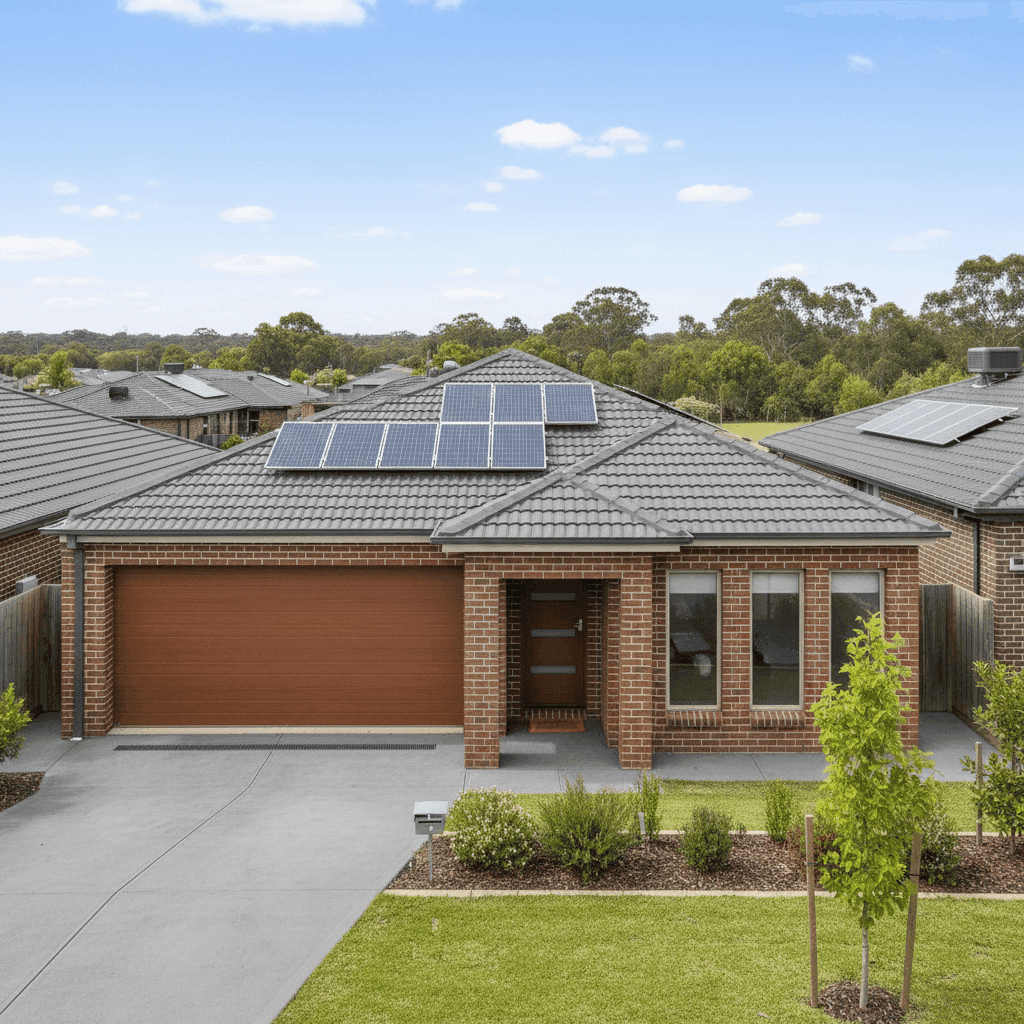
This article examines a real building-only insurance quote for a 3-bedroom, 2-bathroom free standing home in Craigieburn VIC 3064, built in 2005 with brick veneer walls, a tiled roof, slab foundation, and a building sum insured of $859,000. The annual premium came in at $1,496 per year (or roughly $146/month), with a building excess of $2,000.
---
Is This Quote Fair?
The short answer: yes, broadly speaking — but there's room to do better.
CoverClub's pricing engine rates this quote as Fair (Around Average), which means it's neither a standout bargain nor an overpriced outlier. For homeowners, "fair" is a reasonable starting point, but it's worth understanding exactly where that figure sits relative to the market before you decide to accept it.
At $1,496 per year, this premium sits comfortably above the suburb's median of $1,425 but below the suburb average of $1,626, which suggests the quote is competitive without being exceptional. It also falls well within the middle of the pack — the 25th percentile for Craigieburn sits at $1,010/yr, meaning roughly a quarter of comparable properties are insured for significantly less, while the 75th percentile reaches $1,788/yr.
The key takeaway? There's a meaningful spread of premiums in this suburb — nearly $800 separating the cheaper and pricier quartiles — which means shopping around could genuinely move the needle on what you pay.
---
How Craigieburn Compares
One of the most striking aspects of this quote is just how favourably Craigieburn compares to broader benchmarks.
| Benchmark | Average Premium | Median Premium |
|---|---|---|
| Craigieburn (3064) | $1,626/yr | $1,425/yr |
| LGA: Whittlesea | $1,850/yr | — |
| Victoria | $2,921/yr | $2,694/yr |
| National | $2,965/yr | $2,716/yr |
Homeowners in Craigieburn are paying, on average, nearly half what Victorian and Australian homeowners pay nationally. The Victorian state average of $2,921/yr is almost double the Craigieburn suburb average, and the national average of $2,965/yr tells a similar story.
This significant difference reflects the relatively low natural hazard risk profile of Melbourne's northern suburbs — no cyclone exposure, lower flood risk compared to some regional areas, and a predominantly modern housing stock that insurers tend to price more favourably. At the LGA level, the City of Whittlesea average of $1,850/yr is higher than the Craigieburn suburb average, suggesting Craigieburn itself is one of the more affordable pockets within the broader local government area.
For context, this analysis is based on a sample of 28 quotes collected for the Craigieburn area — a reasonable dataset that gives a reliable picture of local pricing conditions.
---
Property Features That Affect Your Premium
Several characteristics of this particular property influence where its premium lands.
Brick Veneer Walls & Tiled Roof Brick veneer construction is widely regarded by insurers as a solid, low-risk building material — durable, fire-resistant, and less susceptible to storm damage than some lighter cladding options. Combined with a tiled roof, this property presents a relatively favourable risk profile from a materials standpoint. Both features typically attract more competitive premiums compared to, say, weatherboard cladding or a metal roof in a hail-prone area.
Slab Foundation A concrete slab foundation is the standard for homes of this era in Melbourne's outer suburbs and is generally considered low-maintenance and structurally sound. It's unlikely to be a premium driver in either direction for a property like this.
Construction Year: 2005 Homes built after 1990 generally benefit from modern building codes that mandate improved fire safety, structural integrity, and weatherproofing. A 2005 build sits comfortably in this "modern construction" bracket, which insurers tend to view positively.
Solar Panels This property has solar panels installed, which is worth noting. While solar panels are increasingly common and most insurers include them under standard building cover, it's important to confirm this with your insurer. Some policies may treat solar systems as optional extras or place limits on the amount covered. Given the cost of a quality solar system, homeowners should verify their sum insured adequately accounts for replacement value.
Ducted Climate Control Ducted heating and cooling systems are a meaningful addition to a home's replacement value. At $859,000 sum insured, it's worth ensuring this figure has been calculated to include the full cost of rebuilding the home to its current standard — including fixtures like ducted HVAC systems, which can cost tens of thousands of dollars to replace.
No Pool The absence of a pool removes one potential source of liability and premium loading, keeping costs simpler and slightly lower than comparable properties with pools.
---
Tips for Homeowners in Craigieburn
1. Check your sum insured regularly Building costs in Melbourne's outer suburbs have risen sharply in recent years due to labour shortages and material price increases. A sum insured of $859,000 for a 186 sqm home works out to roughly $4,618 per square metre — which is within a plausible range for a quality rebuild, but worth reviewing annually. Underinsurance is one of the most common and costly mistakes homeowners make.
2. Confirm solar panels are fully covered Ask your insurer specifically whether your solar panel system is included in your building sum insured and whether there are any sub-limits. If your system is worth $10,000–$20,000 or more, you want to be certain it's not excluded or capped.
3. Shop around — the spread in Craigieburn is wide With a 25th–75th percentile range of $1,010 to $1,788 per year in this suburb, there's real money to be saved by comparing multiple insurers. A "Fair" rating means you're not being ripped off, but you may not be getting the best available deal either.
4. Consider your excess carefully This quote carries a $2,000 building excess. Opting for a higher excess is one lever you can pull to reduce your annual premium — but make sure you'd be comfortable covering that amount out of pocket in the event of a claim. For most homeowners, somewhere between $1,000 and $2,500 strikes the right balance.
---
Ready to Compare?
Whether you're reviewing an existing policy or starting fresh, comparing quotes is the single most effective way to make sure you're getting value. CoverClub makes it easy to see what multiple insurers would charge for your specific property — in just a few minutes.