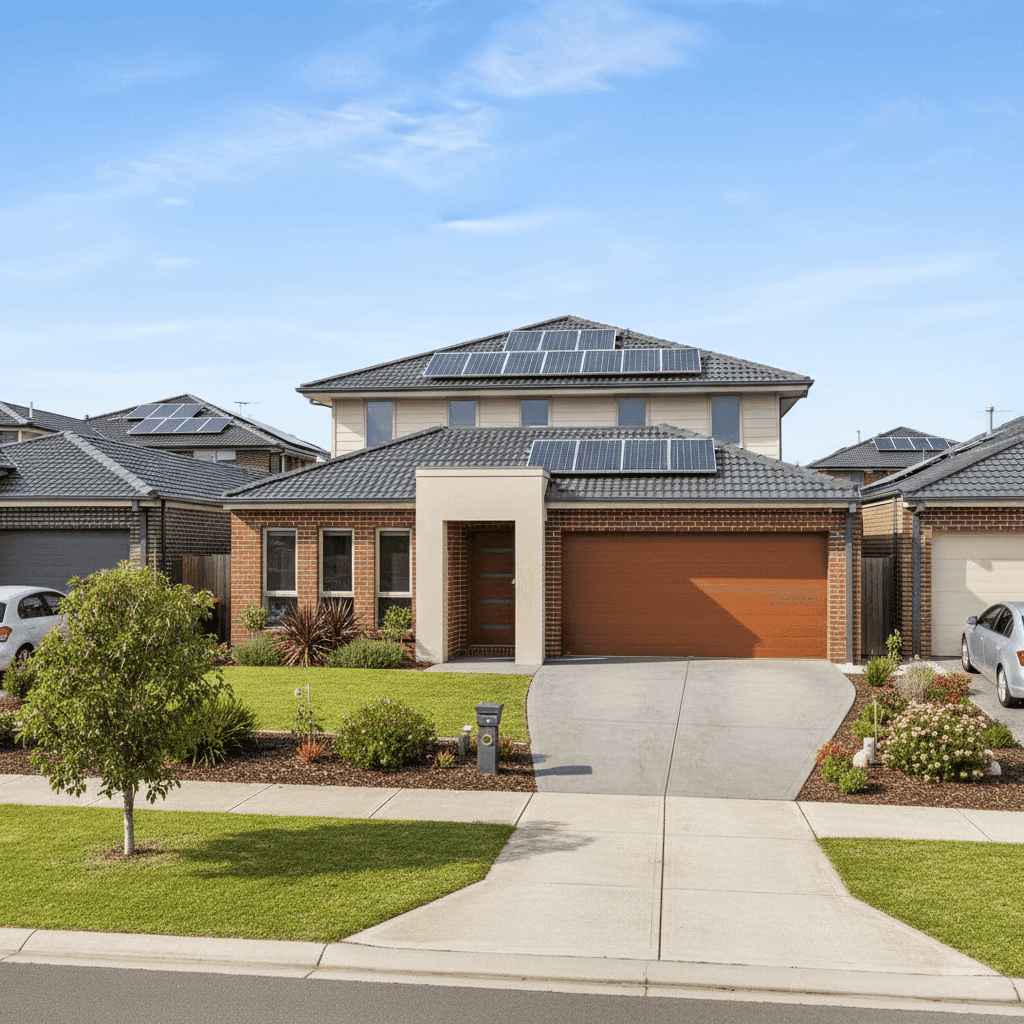
If you own a free standing home in Craigieburn, VIC 3064, you're likely no stranger to the annual ritual of reviewing your home insurance premium. Craigieburn is one of Melbourne's fastest-growing northern suburbs — a family-friendly area with a mix of established and newer homes, good infrastructure, and a strong sense of community. But with growth comes increased property values, and making sure your home and contents are properly covered is more important than ever.
In this article, we break down a real home and contents insurance quote for a 3-bedroom, 2-bathroom free standing home in Craigieburn, analyse whether the price stacks up, and share some practical tips to help you get better value on your cover.
---
Is This Quote Fair?
The quote in question comes in at $2,085 per year (or $200/month) for combined home and contents cover, with a building sum insured of $762,000 and contents valued at $130,000. Both the building and contents excess are set at $1,000.
Based on CoverClub's pricing data, this quote is rated Expensive — above average for the Craigieburn area. Here's why:
- The suburb average premium sits at $1,721/year, and the median is even lower at $1,648/year.
- This quote is $364 above the suburb average and $437 above the suburb median.
- It falls above the 75th percentile for the suburb ($1,963/year), meaning it's pricier than roughly three-quarters of comparable quotes in the area.
That said, context matters. The building sum insured of $762,000 is a significant coverage amount, and the contents cover of $130,000 is reasonable for a well-appointed home. Above-average fittings quality and features like solar panels and ducted climate control can push premiums higher, as these are more expensive to repair or replace. So while the quote is on the higher end, it may reflect the genuine replacement cost of this particular property.
---
How Craigieburn Compares
To put this quote in broader perspective, it helps to look at how Craigieburn's insurance costs compare to the rest of Victoria and the country.
| Benchmark | Average Premium | Median Premium |
|---|---|---|
| Craigieburn (3064) | $1,721/yr | $1,648/yr |
| LGA (Whittlesea) | $1,774/yr | — |
| Victoria | $3,000/yr | $2,718/yr |
| National | $5,347/yr | $2,764/yr |
Craigieburn homeowners are actually in a relatively favourable position compared to Victorian averages and national benchmarks. The state average of $3,000/year is nearly double the Craigieburn suburb average, and the national average of $5,347/year — heavily influenced by high-risk areas in Queensland and Northern Australia — is more than three times higher.
This tells us that Craigieburn is considered a relatively low-risk suburb by insurers. It sits outside cyclone-prone zones, is not typically associated with significant flood or bushfire risk compared to many other Victorian postcodes, and benefits from modern urban infrastructure. For most homeowners here, there's a genuine opportunity to secure competitive cover — which makes it worth shopping around if your current premium feels steep.
Based on a sample of 190 quotes collected for this suburb, the 25th percentile sits at $1,412/year. If you're paying significantly more than this, it's a strong signal to compare your options.
---
Property Features That Affect Your Premium
Every property is different, and insurers weigh up a range of factors when calculating your premium. Here's how the key features of this particular home influence its cost:
- Brick Veneer Walls & Tiled Roof: These are among the most common and insurer-friendly construction types in suburban Melbourne. Brick veneer offers solid fire resistance and durability, while tiled roofs are long-lasting and relatively straightforward to repair. Both generally attract standard or lower risk ratings.
- Slab Foundation: A concrete slab is a stable, low-maintenance foundation type and is viewed favourably by insurers. It reduces the risk of subsidence-related claims compared to older pier-and-beam foundations.
- Construction Year (2004): A home built in 2004 is modern enough to meet contemporary building codes but old enough that some components — roofing, plumbing, electrical — may be approaching the age where wear and tear becomes a factor. Insurers factor in building age when assessing risk.
- Above-Average Fittings Quality: Kitchens, bathrooms, and fixtures of above-average quality cost more to replace like-for-like. This directly increases the building sum insured required and can lift your premium.
- Solar Panels: Solar systems are a valued addition to any home, but they add to the replacement cost of the property. Insurers need to account for the cost of repairing or replacing panels and associated equipment following storm, hail, or fire damage.
- Ducted Climate Control: Similar to solar, ducted heating and cooling systems are expensive to repair or replace. Their inclusion in the sum insured is appropriate but does contribute to a higher overall premium.
- Timber/Laminate Flooring: While attractive and popular, timber and laminate floors can be costly to repair after water damage events — a consideration some insurers factor into their pricing.
- No Pool: The absence of a pool removes a liability risk factor that can otherwise nudge premiums upward.
---
Tips for Homeowners in Craigieburn
Whether you're renewing your policy or shopping around for the first time, here are four practical steps to help you get the best value on home insurance in Craigieburn.
1. Review your sum insured carefully. A building sum insured of $762,000 is substantial. Make sure this figure reflects the actual cost to rebuild your home (not its market value), including demolition, site clearance, and current construction costs. Overinsuring drives up your premium unnecessarily, while underinsuring can leave you exposed at claim time. Use a building cost calculator or speak with a quantity surveyor if you're unsure.
2. Compare multiple quotes before renewing. With 190 quotes on record for Craigieburn and a 25th percentile of just $1,412/year, there's clearly significant variation in the market. Loyalty doesn't always pay — insurers often reserve their best rates for new customers. Use a comparison platform like CoverClub to see what's available before you auto-renew.
3. Consider your excess level. Both the building and contents excess on this policy are set at $1,000. Opting for a higher excess — say, $1,500 or $2,000 — can meaningfully reduce your annual premium. Just make sure the excess amount is one you could comfortably cover in the event of a claim.
4. Bundle your cover strategically. Combined home and contents policies often come with a discount compared to purchasing each separately. However, this isn't always the case — it's worth getting separate quotes for building-only and contents-only cover to confirm you're genuinely saving by bundling.
---
Find a Better Deal with CoverClub
If your home insurance premium is feeling a little steep, you're not alone — and you don't have to just accept it. CoverClub makes it easy to compare home and contents insurance quotes for properties across Craigieburn and greater Victoria, so you can see exactly where your current policy sits in the market.
Get a quote today at CoverClub and find out whether you could be paying less for the same level of cover.