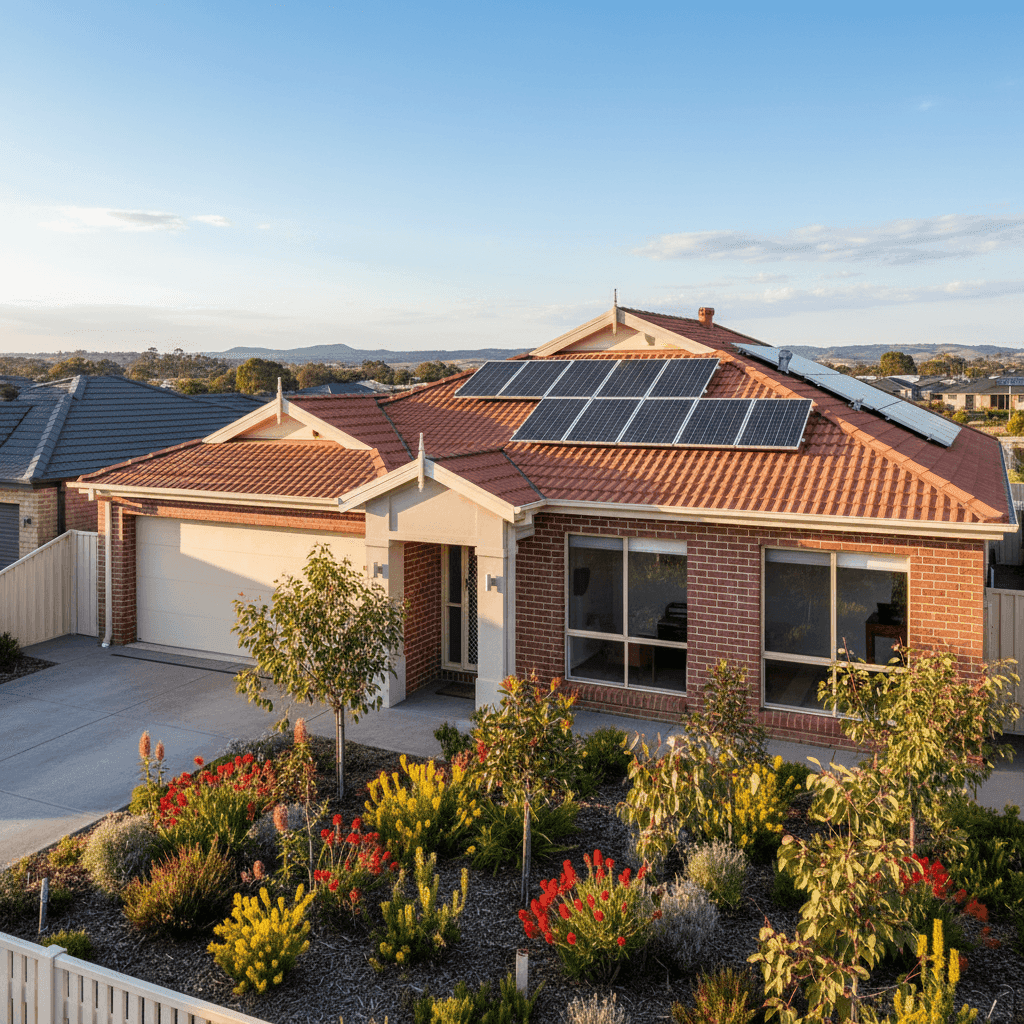
Craigmore, nestled in Adelaide's northern suburbs within the City of Playford, is a well-established residential area popular with families seeking affordable, comfortable living. This analysis looks at a real home and contents insurance quote for a three-bedroom, brick veneer free standing home in Craigmore (SA 5114) — breaking down whether the price stacks up, how it compares to the broader market, and what property features are likely influencing the premium.
---
Is This Quote Fair?
The annual premium for this quote comes in at $903 per year (or $88 per month), covering a building sum insured of $323,000 and contents valued at $110,000. Our price rating for this quote is Fair — Around Average.
To put that in context, the suburb average for Craigmore sits at $1,366 per year, with a median of $1,327. This quote lands below both of those figures, and is actually closer to the 25th percentile for the suburb (which is $877/yr) — meaning it's among the more competitive premiums recorded in this postcode. For a combined home and contents policy, that's a genuinely solid result.
It's worth noting that the building excess on this policy is $3,000, which is on the higher side. A higher excess typically lowers your upfront premium, so if you're comparing quotes, make sure you're looking at like-for-like excess levels. The contents excess of $600 is more in line with standard market offerings.
Overall, while the quote isn't in the cheapest tier, it represents reasonable value — particularly when measured against what other Craigmore homeowners are paying.
---
How Craigmore Compares
One of the more striking takeaways from this quote is just how favourably Craigmore compares to broader benchmarks. Here's a snapshot:
| Benchmark | Average Premium |
|---|---|
| Craigmore (suburb) | $1,366/yr |
| LGA – Gawler | $1,589/yr |
| South Australia | $1,933/yr |
| National | $2,965/yr |
Craigmore homeowners are paying significantly less than the South Australian average, and less than half the national average. That's a meaningful difference — nationally, the median sits at $2,716 per year, while the suburb median here is $1,327. Explore Craigmore suburb insurance stats →
This gap reflects several factors: Craigmore is not in a cyclone risk zone, it's not a flood-prone coastal area, and the housing stock tends to be relatively uniform in age and construction type. All of these elements contribute to a more stable and predictable risk profile for insurers.
For a broader picture of how South Australian premiums are trending, visit the SA state insurance stats page. And if you're curious how the state stacks up against the rest of the country, the national insurance stats page offers a useful comparison.
---
Property Features That Affect Your Premium
Every property has its own risk fingerprint, and insurers assess a range of physical characteristics when calculating your premium. Here's how the features of this particular home likely play into the pricing:
Brick Veneer Walls & Tiled Roof Brick veneer is one of the most common wall materials in Australian suburban homes, and it's generally viewed favourably by insurers. It offers solid fire resistance and durability. Tiled roofs similarly score well — they're long-lasting, low-maintenance, and hold up well in most weather conditions. This combination tends to attract more competitive premiums compared to, say, lightweight cladding or older corrugated iron roofing.
Slab Foundation A concrete slab foundation is standard for homes built in South Australia during the 1990s. Slabs are generally considered lower risk than pier-and-beam or older strip foundations, which can be more susceptible to movement and subsidence — particularly relevant in parts of SA with reactive clay soils.
Timber/Laminate Flooring Flooring type can influence contents and building assessments. Timber and laminate floors can be more vulnerable to water damage than tiles, which may nudge the premium slightly upward, but this is usually a minor factor in the overall calculation.
Solar Panels This property has solar panels installed, which adds some value to the building sum insured. Solar panels are generally covered under building insurance, but it's worth confirming with your insurer that the replacement cost of the panels is adequately reflected in your sum insured. Under-insurance is a real risk if you've added panels since the policy was originally set up.
Ducted Climate Control Ducted air conditioning is a significant fixed asset and is typically covered under building insurance. Like solar panels, it's important to ensure your building sum insured accounts for the replacement cost of this system.
Construction Year: 1994 At around 30 years old, this home is mature but not aged. Homes from the early-to-mid 1990s in South Australia were generally built to consistent standards, and this vintage tends to sit in a comfortable middle ground for insurers — past the teething issues of newer builds, but not yet at the age where major structural concerns typically arise.
No Pool The absence of a swimming pool removes one common source of liability and maintenance risk, which can be a modest positive for premium pricing.
---
Tips for Homeowners in Craigmore
Whether you're reviewing an existing policy or shopping around for the first time, here are a few practical steps worth considering:
- Check your building sum insured regularly. With the addition of solar panels and ducted climate control, the cost to rebuild your home may be higher than you think. Use a building calculator or speak to a quantity surveyor to make sure your sum insured reflects current construction costs — not what it was worth five years ago.
- Compare your excess options. The $3,000 building excess on this quote is relatively high. If you'd prefer a lower out-of-pocket cost in the event of a claim, ask insurers to requote with a lower excess — just be aware this will likely increase your annual premium. Finding the right balance depends on your financial situation and risk appetite.
- Bundle building and contents where it makes sense. Combined home and contents policies often come with a discount compared to taking out two separate policies. This quote covers both, which is generally a smart approach for owner-occupiers.
- Review your contents sum insured. $110,000 in contents cover is a reasonable starting point, but it's easy to underestimate the replacement value of everything inside your home. Do a room-by-room audit every couple of years — especially if you've made significant purchases — to make sure you're not left short after a claim.
---
Compare Your Own Quote
Whether this quote matches your situation or not, the best way to know if you're getting a fair deal is to compare. CoverClub makes it easy to see how your premium stacks up against real data from your suburb and across Australia. Get a home insurance quote today → and find out where you sit in the market.