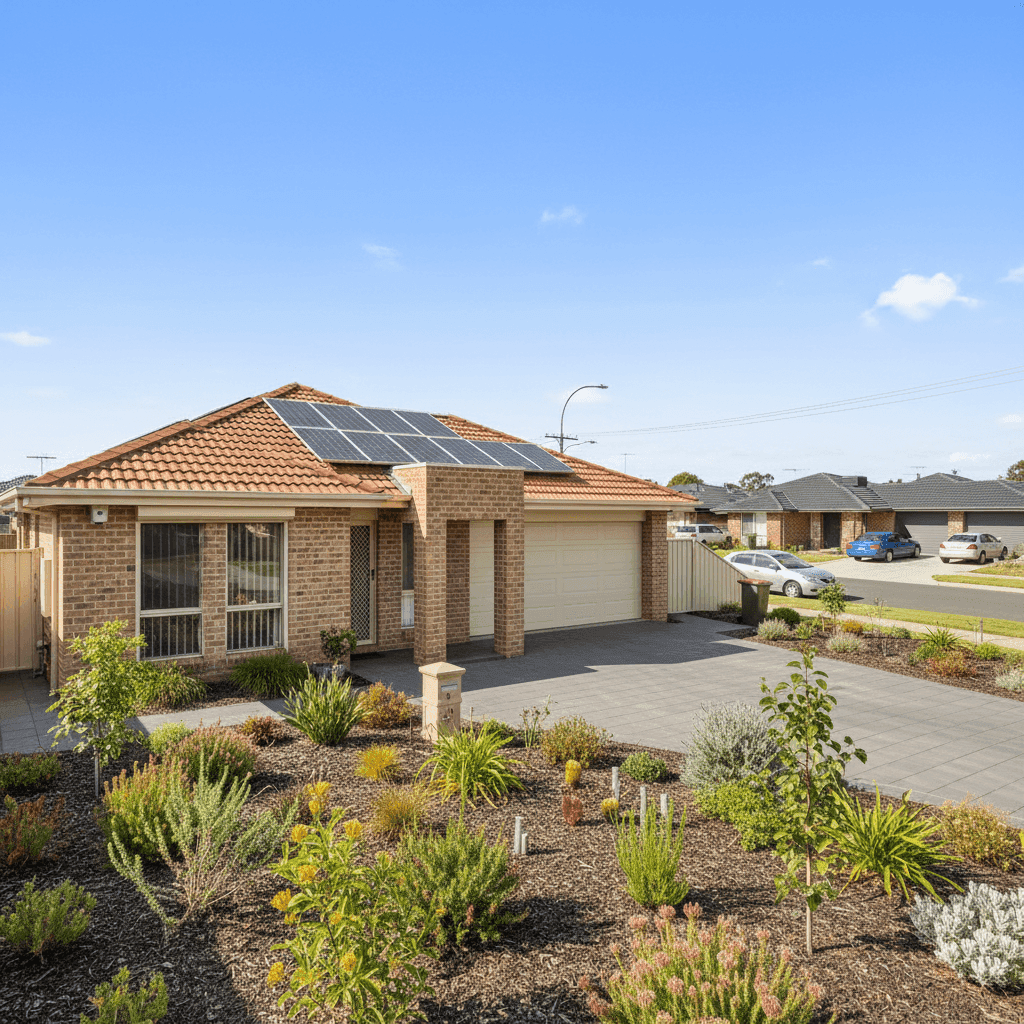
Craigmore is a well-established residential suburb in Adelaide's northern corridor, sitting within the City of Playford. With its mix of family homes, proximity to schools and shopping, and relatively affordable property prices, it's a popular choice for owner-occupiers. This article takes a close look at a home and contents insurance quote for a four-bedroom, brick veneer free standing home in Craigmore — and whether the annual premium stacks up against what other homeowners in the area are paying.
---
Is This Quote Fair?
The quote in question comes in at $1,950 per year (or $187/month) for combined home and contents cover, with a building sum insured of $650,000 and contents valued at $50,000. Both the building and contents excess are set at $1,000.
Based on data from CoverClub's Craigmore suburb stats, this premium is rated Expensive — above average for the area. The suburb average sits at just $1,135 per year, meaning this quote is running roughly 72% higher than what most Craigmore homeowners are paying. Even the 75th percentile — the upper end of the range — lands at $1,457 per year, still comfortably below this quote.
That said, context matters. A building sum insured of $650,000 is on the higher end for this suburb, and the inclusion of solar panels and ducted climate control adds to the replacement cost calculation. Still, the gap is significant enough to warrant shopping around before committing.
---
How Craigmore Compares
To understand where this quote sits in the broader landscape, it helps to look at the numbers side by side:
| Benchmark | Premium |
|---|---|
| This Quote | $1,950/yr |
| Craigmore Suburb Average | $1,135/yr |
| Craigmore Suburb Median | $1,106/yr |
| Craigmore 25th Percentile | $813/yr |
| Craigmore 75th Percentile | $1,457/yr |
| LGA (Gawler) Average | $1,429/yr |
| SA State Average | $2,433/yr |
| SA State Median | $1,679/yr |
| National Average | $5,347/yr |
| National Median | $2,764/yr |
When you zoom out to the South Australian state level, this quote actually falls well below the state average of $2,433 per year — and it's notably cheaper than the national average of $5,347, which is heavily influenced by high-risk regions like Far North Queensland and cyclone-prone coastal areas.
So while $1,950 looks expensive within Craigmore specifically, it's not out of line with what South Australians pay more broadly. The key question is whether the coverage level and insurer quality justify the premium relative to local alternatives.
---
Property Features That Affect Your Premium
Several characteristics of this property play a direct role in how insurers price the risk:
Brick Veneer Construction & Tiled Roof Brick veneer walls paired with a tiled roof is one of the most common and insurer-friendly combinations in South Australia. Both materials are considered durable and resistant to fire and general wear, which typically attracts more competitive pricing compared to timber-framed or Colorbond-roofed homes.
Slab Foundation A concrete slab foundation is generally viewed positively by underwriters. It reduces the risk of subsidence and pest-related structural damage compared to raised timber stumps, and is well-suited to the soil conditions found across Adelaide's northern suburbs.
Solar Panels With solar panels installed on the roof, the replacement cost of the property increases — and insurers account for this. Solar systems can cost anywhere from $5,000 to $15,000+ to replace, and some policies include them automatically under building cover while others require specific endorsement. It's worth confirming exactly how your policy treats solar equipment.
Ducted Climate Control A ducted heating and cooling system is a significant built-in asset. These systems are expensive to repair or replace, and their inclusion in the building sum insured is appropriate — though it does contribute to a higher overall insured value and, in turn, a higher premium.
Building Size: 205 sqm At 205 square metres, this is a mid-to-large family home. Rebuild costs are calculated per square metre, so a larger footprint naturally translates to a higher sum insured and premium. The $650,000 building sum insured reflects a per-sqm rebuild cost of approximately $3,170 — broadly in line with current construction costs in South Australia.
No Pool, No Cyclone Risk The absence of a swimming pool removes a common liability exposure, and Craigmore is not classified as a cyclone risk area — both factors that keep the premium lower than it might otherwise be.
---
Tips for Homeowners in Craigmore
1. Compare multiple quotes before renewing The spread between the 25th percentile ($813/yr) and this quote ($1,950/yr) in Craigmore is substantial. Even accounting for higher cover levels, there's a real chance a comparable policy is available for less. Use CoverClub to compare quotes and see what's available for your specific property.
2. Review your building sum insured carefully Underinsurance is a serious risk — but overinsurance quietly costs you money every year. Make sure your $650,000 sum insured reflects a realistic rebuild cost for your home, factoring in current labour and materials prices. Online building calculators or a quantity surveyor can help you land on the right figure.
3. Check how your solar panels are covered Not all insurers treat rooftop solar systems the same way. Some include them automatically under building cover; others exclude damage from certain events or require a separate endorsement. Ask your insurer directly, and get the answer in writing.
4. Consider your excess strategy Both the building and contents excess on this policy are set at $1,000. Opting for a higher voluntary excess — say, $2,000 — can meaningfully reduce your annual premium. If you're unlikely to make small claims, this trade-off often makes financial sense.
---
Ready to Find a Better Rate?
Whether you're renewing your current policy or buying cover for the first time, comparing quotes is the single most effective way to avoid overpaying. CoverClub makes it easy to see what home and contents insurance actually costs for properties like yours in Craigmore — with real data, not estimates.