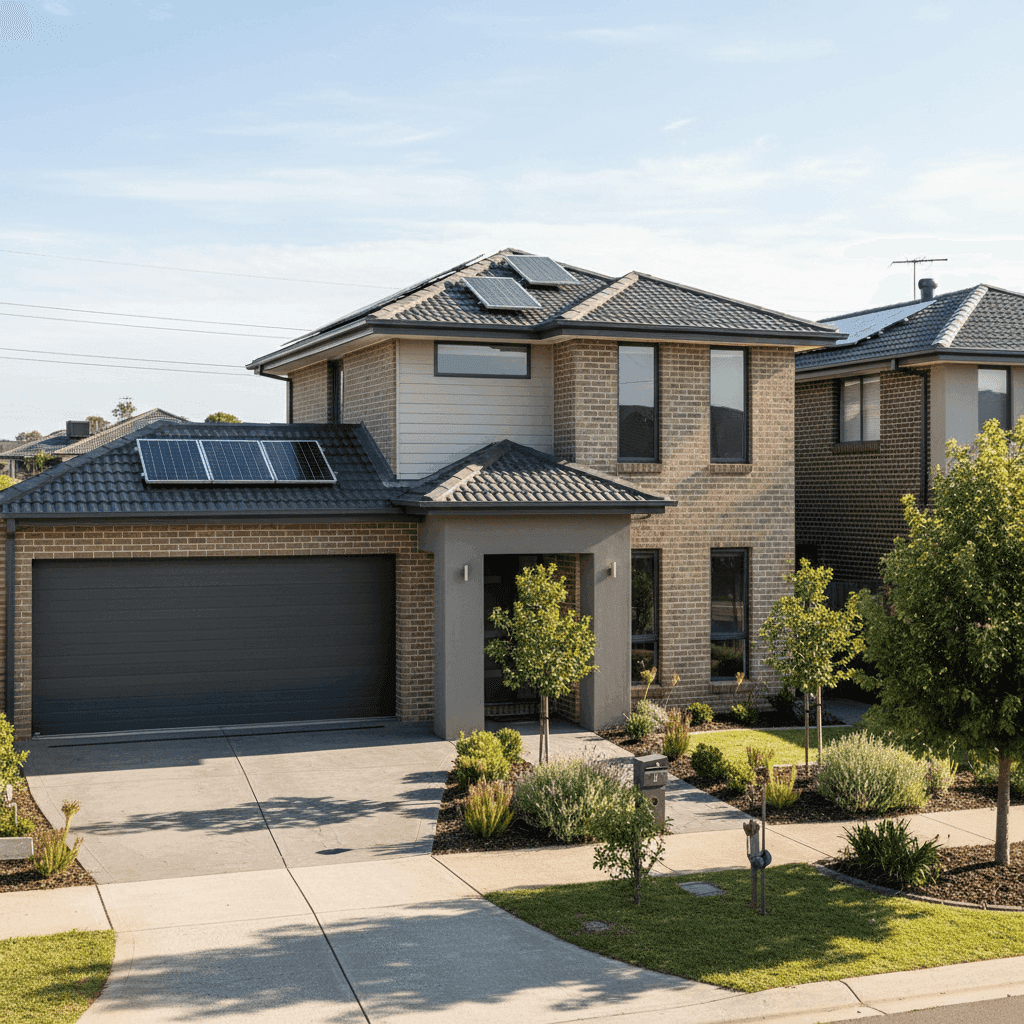
If you own a free standing home in Cranbourne East, VIC 3977, you're in one of Melbourne's fastest-growing outer south-east corridors — a suburb that blends modern estates with family-sized properties. Home insurance is a significant annual expense for households here, and understanding whether your quote is competitive can save you hundreds of dollars. This article breaks down a real home and contents insurance quote for a five-bedroom property in Cranbourne East, comparing it against local, state, and national benchmarks so you can make a more informed decision.
---
Is This Quote Fair?
The quote in question comes in at $1,945 per year (or $192/month) for combined home and contents cover, with a building sum insured of $819,000 and contents valued at $50,000. Both the building and contents excess are set at $1,000.
Based on data from CoverClub's Cranbourne East suburb statistics, this quote is rated Expensive — above average for the area. Here's what that means in practice:
- The suburb average premium sits at $1,540/yr, meaning this quote is roughly $405 more than what the typical Cranbourne East homeowner pays.
- The suburb median is even lower at $1,421/yr, suggesting more than half of comparable quotes in the area come in below this figure.
- The 75th percentile for the suburb is $1,821/yr — and this quote exceeds even that threshold, placing it in the top quarter of premiums recorded locally.
That said, context matters. A five-bedroom home with a building sum insured of $819,000 is on the larger end of the spectrum. Larger insured values naturally attract higher premiums, so some of the cost gap is likely explained by the property's size and rebuild value rather than insurer pricing alone.
---
How Cranbourne East Compares
One of the more striking findings is just how favourably Cranbourne East sits relative to broader benchmarks. According to VIC state insurance data:
| Benchmark | Average Premium | Median Premium |
|---|---|---|
| Cranbourne East (suburb) | $1,540/yr | $1,421/yr |
| Frankston LGA | $3,283/yr | — |
| Victoria (state) | $3,000/yr | $2,718/yr |
| Australia (national) | $5,347/yr | $2,764/yr |
Even at $1,945/yr — the "expensive" end for this suburb — this quote is still significantly below the Victorian state average of $3,000/yr and well under the national average of $5,347/yr. Interestingly, it also sits well below the Frankston LGA average of $3,283/yr, which covers the broader council area.
This suggests that Cranbourne East, as a suburb, benefits from relatively favourable risk characteristics — likely due to its modern housing stock, lower flood and bushfire exposure compared to many other Victorian postcodes, and the absence of cyclone risk.
---
Property Features That Affect Your Premium
Several characteristics of this particular property influence how insurers price the risk. Here's what's worth noting:
Brick Veneer Walls & Tiled Roof
Brick veneer construction with a tiled roof is one of the most common — and insurer-friendly — combinations in Australian suburban housing. Both materials are considered durable and fire-resistant, which generally keeps premiums lower compared to weatherboard or Colorbond alternatives.
Slab Foundation
A concrete slab foundation is standard for homes built in this era and region. It's generally viewed positively by insurers as it reduces the risk of subsidence and pest-related structural damage compared to older pier-and-beam foundations.
Built in 2011
At roughly 14 years old, this home sits in a sweet spot for insurers — modern enough to comply with contemporary building codes (including post-2009 bushfire and energy efficiency standards), but not so new that replacement costs are at a premium.
Solar Panels
Solar panels add complexity to a home insurance policy. They increase the replacement value of the home and can be a source of claims if damaged by hail, storm, or fire. It's essential to confirm that your policy explicitly covers solar panels — both the panels themselves and any associated inverter or battery systems.
Ducted Climate Control
Ducted heating and cooling systems are a valuable inclusion but also a potential claims source (e.g., water damage from a faulty unit). Insurers factor in the cost of replacing these systems when calculating the building sum insured. Ensuring your $819,000 sum insured accounts for this is important.
Standard Fittings
With standard-grade fittings throughout, this property avoids the premium loading that can come with high-end or luxury inclusions like stone benchtops, imported tiles, or custom joinery — keeping rebuild estimates more predictable.
---
Tips for Homeowners in Cranbourne East
1. Review Your Building Sum Insured Carefully
At $819,000, the building sum insured needs to reflect the actual cost to rebuild — not the market value of the property. Use a building cost calculator or engage a quantity surveyor to verify this figure. Underinsurance is one of the most common and costly mistakes Australian homeowners make.
2. Shop Around Before Renewing
Given that this quote sits above the 75th percentile for the suburb, there's a reasonable chance a comparable policy is available at a lower price. Use CoverClub to compare quotes before your renewal date — even a $300–$400 saving is worth 20 minutes of your time.
3. Check Your Solar Panel Coverage
Don't assume your solar panels are automatically covered. Read your Product Disclosure Statement (PDS) carefully, or call your insurer directly to confirm the scope of cover. Some policies treat solar panels as a separate item requiring additional cover.
4. Consider Your Excess Trade-Off
Both the building and contents excess on this policy are set at $1,000. Opting for a higher excess (e.g., $2,000) can meaningfully reduce your annual premium. If you have an emergency fund and are unlikely to make small claims, this can be a smart way to lower your ongoing costs.
---
Compare Your Home Insurance Today
Whether you're renewing or shopping for the first time, it pays to know where your quote stands. CoverClub makes it easy to benchmark your premium against real data from homeowners in your suburb. Get a quote and compare your options at CoverClub — it's free, fast, and built specifically for Australian homeowners.