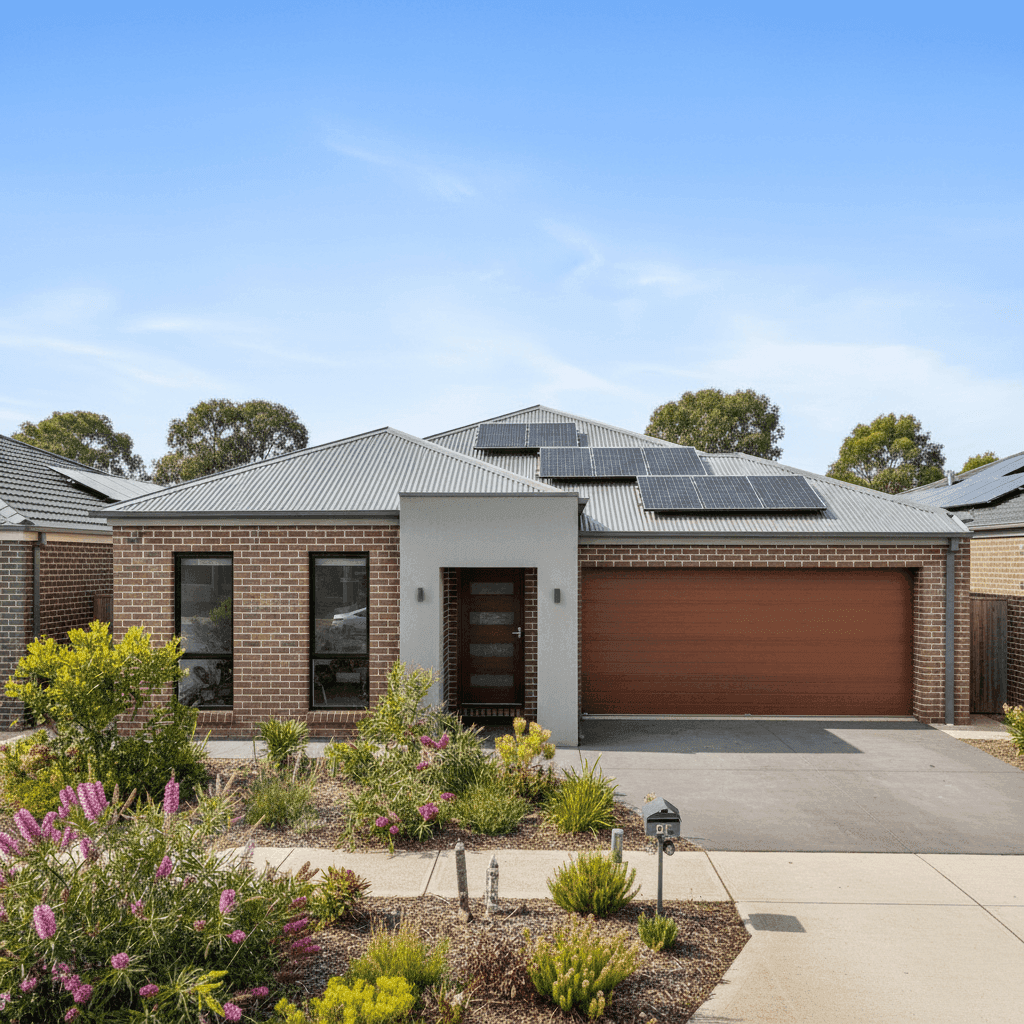
Cranbourne East is one of Melbourne's fastest-growing outer south-eastern suburbs, and with that growth comes an increasing number of homeowners asking the same question: am I paying a fair price for my home insurance? This article takes a close look at a real home and contents insurance quote for a three-bedroom, two-bathroom free standing home in Cranbourne East (VIC 3977) — and puts that number into context against local, state, and national benchmarks.
---
Is This Quote Fair?
The quote in question comes in at $1,290 per year (or $126/month) for combined home and contents cover, with a building sum insured of $500,000 and contents valued at $50,000. Both the building and contents excess are set at $2,000.
Our price rating for this quote is FAIR — Around Average.
That assessment holds up well under scrutiny. The $1,290 annual premium sits comfortably below the suburb average of $1,540/yr and also under the suburb median of $1,421/yr. In other words, this homeowner is paying less than the majority of comparable properties in their postcode. It's not rock-bottom pricing — the cheapest 25% of quotes in the suburb come in at $1,093/yr or below — but it's a reasonable outcome for a well-built, relatively modern home.
The "Fair" rating reflects that there may still be room to improve, particularly if the homeowner shops around or adjusts their excess or coverage levels. But compared to what many Australians pay, this is a solid result.
---
How Cranbourne East Compares
To appreciate just how competitive this quote is, it helps to zoom out and look at the broader picture. Here's how the $1,290 premium stacks up across different comparison points:
| Benchmark | Premium |
|---|---|
| This Quote | $1,290/yr |
| Suburb Average (Cranbourne East) | $1,540/yr |
| Suburb Median (Cranbourne East) | $1,421/yr |
| Suburb 25th Percentile | $1,093/yr |
| Suburb 75th Percentile | $1,821/yr |
| LGA Average (Frankston LGA) | $3,283/yr |
| VIC State Average | $3,000/yr |
| VIC State Median | $2,718/yr |
| National Average | $5,347/yr |
| National Median | $2,764/yr |
(Based on [61 quotes collected for Cranbourne East](https://coverclub.com.au/stats/VIC/3977/cranbourne-east).)
The numbers tell a compelling story. This quote is roughly 16% below the suburb average and well under half the VIC state average of $3,000/yr. When compared to the national average of $5,347/yr, it looks even more favourable — though it's worth noting that national figures are heavily influenced by high-risk regions such as Far North Queensland and flood-prone areas, which can skew averages significantly upward.
The Frankston LGA average of $3,283/yr is also notably higher than this quote, suggesting that Cranbourne East, despite sitting within the same local government area, may attract more competitive pricing — likely due to its newer housing stock and lower historical claims exposure.
---
Property Features That Affect Your Premium
Insurance pricing isn't arbitrary — it's driven by the specific characteristics of your home. Several features of this property work in the homeowner's favour:
Brick Veneer Walls Brick veneer is one of the most common and well-regarded external wall materials in Australian suburban construction. It offers solid fire resistance and durability, which insurers tend to reward with more competitive premiums compared to lightweight cladding or weatherboard.
Steel/Colorbond Roof A Colorbond steel roof is another tick in the right column. It's resistant to fire, rot, and storm damage, and performs exceptionally well in Melbourne's variable weather. Insurers generally view it as lower risk than older tile or fibrous cement roofing.
Slab Foundation Concrete slab foundations are standard for homes of this era and are considered structurally sound and low-risk from an insurance perspective, particularly in areas without significant flood or subsidence history.
Construction Year: 2011 A home built in 2011 benefits from compliance with modern building codes, including improved structural standards and fire safety requirements. This relative modernity reduces the likelihood of hidden structural issues that can drive up premiums on older dwellings.
Solar Panels The presence of solar panels adds some complexity. While they're an asset, they also represent an additional item that may need to be covered — either under building or contents insurance, depending on the policy. Homeowners should confirm with their insurer that solar panels are explicitly included in their building sum insured.
Ducted Climate Control Ducted heating and cooling systems are typically covered under building insurance as fixed installations. Like solar panels, it's worth verifying that the system's replacement value is factored into the $500,000 building sum insured to avoid being underinsured.
No Pool, No Cyclone Risk The absence of a swimming pool removes a common liability risk, and Cranbourne East's location outside designated cyclone risk zones means the property avoids the significant premium loadings that apply in parts of Queensland and Western Australia.
Timber/Laminate Flooring Flooring type can influence contents and building claims. Timber and laminate floors are susceptible to water damage, so it's worth checking that the policy provides adequate cover for escape of liquid events.
---
Tips for Homeowners in Cranbourne East
1. Review your building sum insured annually Construction costs have risen sharply across Victoria in recent years. A sum insured of $500,000 for a 139 sqm home may be appropriate today, but it's worth reassessing each year — particularly if you've completed renovations or if local building costs have increased. Underinsurance is one of the most common and costly mistakes homeowners make.
2. Confirm solar panels and ducted systems are covered Speak directly with your insurer to confirm that your solar panel system and ducted climate control are included in your building cover. Some policies treat these as standard inclusions; others require you to specify them. Don't assume.
3. Consider adjusting your excess This policy carries a $2,000 excess on both building and contents. A higher excess typically lowers your premium, while a lower excess gives you more protection on smaller claims. Think about what level of out-of-pocket cost you could comfortably absorb before choosing.
4. Shop around at renewal time Even a "Fair" rating means there's potential to do better. Insurance markets shift, and the cheapest quote today may not be the best value next year. Use tools like CoverClub to benchmark your renewal premium against current market rates before automatically rolling over your policy.
---
Compare Your Quote with CoverClub
Whether you're a first-time buyer in Cranbourne East or a long-term homeowner reviewing your annual renewal, it pays to know where your premium stands. CoverClub makes it easy to see how your quote compares against real data from your suburb, state, and across Australia.