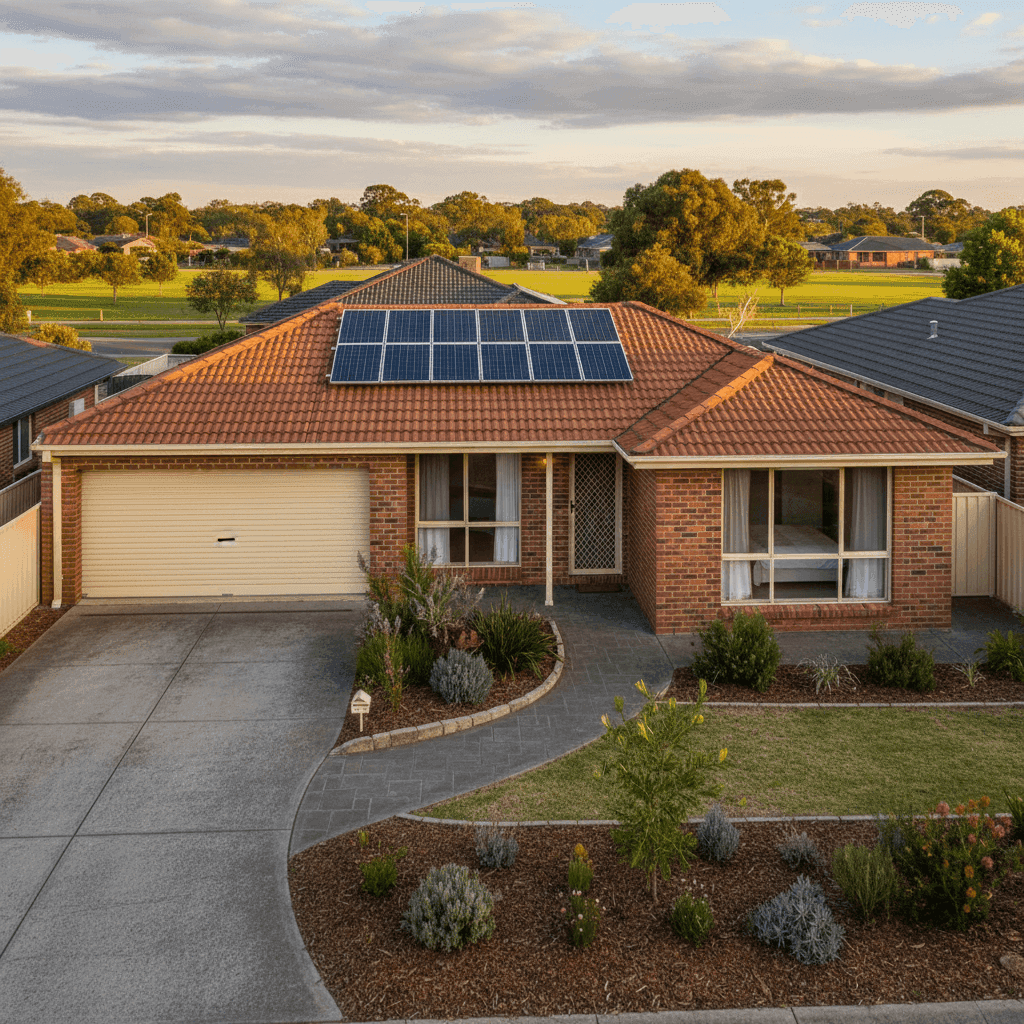
If you own a free standing home in Cranbourne North, VIC 3977, you might be wondering whether you're paying a fair price for home and contents insurance — or whether there's a better deal out there. We recently analysed a real insurance quote for a three-bedroom, brick veneer home in this suburb, and the results are worth a closer look.
---
Is This Quote Fair?
The annual premium for this property came in at $1,222 per year (or about $117 per month), covering both building ($315,000 sum insured) and contents ($75,000). Our pricing model rates this quote as CHEAP — below average for the area.
To put that in perspective: the average home and contents premium across the 86 quotes we've collected in Cranbourne North sits at $1,762 per year, with a median of $1,643. Even the 25th percentile — meaning only one in four quotes come in cheaper — is $1,413. This quote lands well below that threshold, making it a genuinely competitive result.
For homeowners keeping a close eye on household expenses, a saving of $400–$500 per year compared to the suburb average is meaningful. That said, price alone shouldn't be the deciding factor — it's equally important to ensure the cover limits, excess levels, and policy inclusions actually match your needs.
---
How Cranbourne North Compares
Zooming out beyond the suburb gives even more context. You can explore the full breakdown on our Cranbourne North insurance stats page.
| Benchmark | Annual Premium |
|---|---|
| This Quote | $1,222 |
| Cranbourne North suburb average | $1,762 |
| Cranbourne North suburb median | $1,643 |
| Frankston LGA average | $3,283 |
| Victoria state average | $3,000 |
| Victoria state median | $2,718 |
| National average | $5,347 |
| National median | $2,764 |
The numbers tell a clear story. Cranbourne North is actually a relatively affordable suburb for home insurance compared to the broader Victorian and national picture. The Victorian state average of $3,000 per year is nearly double the suburb average here, and the national average of $5,347 — heavily influenced by high-risk regions in Queensland and Western Australia — is in a different league entirely.
Interestingly, the Frankston LGA average of $3,283 is significantly higher than the Cranbourne North suburb average of $1,762, which suggests that risk and pricing can vary considerably even within the same local government area. Cranbourne North appears to be one of the more favourably rated pockets within the LGA.
---
Property Features That Affect Your Premium
Insurance premiums aren't plucked from thin air — they're calculated based on a range of property-specific factors. Here's how the features of this particular home influence its pricing:
Brick Veneer Walls & Tiled Roof
Brick veneer construction is generally viewed favourably by insurers. It offers solid fire resistance and durability compared to weatherboard or cladding alternatives. Paired with a tiled roof — another well-regarded roofing material — this combination typically attracts lower premiums than homes with metal roofing or fibre cement cladding.
Stump Foundation
This home sits on stumps, which is common for homes built in Victoria during the late 20th century. Stump foundations can be a mild risk factor for insurers due to the potential for movement, moisture, and pest ingress beneath the home — particularly in areas with reactive soils. It's worth ensuring your policy covers damage related to foundation movement or subfloor issues.
Timber/Laminate Flooring
Timber and laminate floors are factored into contents and building valuations. Timber flooring can be costly to replace if damaged by water or impact, so it's worth confirming your sum insured adequately accounts for this.
Solar Panels
This property has solar panels installed. Many insurers include solar panels under building cover automatically, but not all do — and some treat them as a separate item. It's important to confirm with your insurer that your panels are explicitly covered, including for storm damage, hail, and accidental breakage.
Construction Year: 1991
At around 34 years old, this home is mature but not ancient. Homes of this era generally have reliable construction standards, though insurers may factor in the age of roofing, plumbing, and electrical systems when pricing risk.
No Pool, No Cyclone Risk
The absence of a swimming pool removes a common liability risk factor, and Cranbourne North falls outside designated cyclone risk zones — both of which help keep the premium competitive.
---
Tips for Homeowners in Cranbourne North
Whether you're reviewing your current policy or shopping for the first time, here are four practical tips tailored to homeowners in this area:
- Check your solar panel coverage explicitly. Don't assume your panels are automatically covered under your building policy. Ask your insurer directly whether panels are included, and for what events. Hail damage to solar panels is a common claim that some policies exclude or limit.
- Review your building sum insured regularly. Construction costs have risen sharply in recent years. A sum insured of $315,000 for a 130 sqm home may be appropriate today, but it's worth recalculating every year or two using a building cost estimator to make sure you're not underinsured.
- Inspect your subfloor and stumps periodically. Homes on stump foundations benefit from regular inspections for signs of timber rot, pest activity, or movement. Catching issues early can prevent costly claims — and some insurers may not cover gradual deterioration.
- Compare quotes at renewal time. The insurance market is competitive, and loyalty doesn't always pay. Even if your current premium seems reasonable, running a comparison at renewal can reveal meaningfully cheaper options without sacrificing cover quality.
---
Compare Your Own Quote
Wondering how your own home insurance stacks up? CoverClub makes it easy to benchmark your premium against real quotes from across your suburb and state. Whether you're in Cranbourne North or anywhere else in Australia, you can get a quote and compare in minutes — no jargon, no pressure, just clear data to help you make a smarter decision.