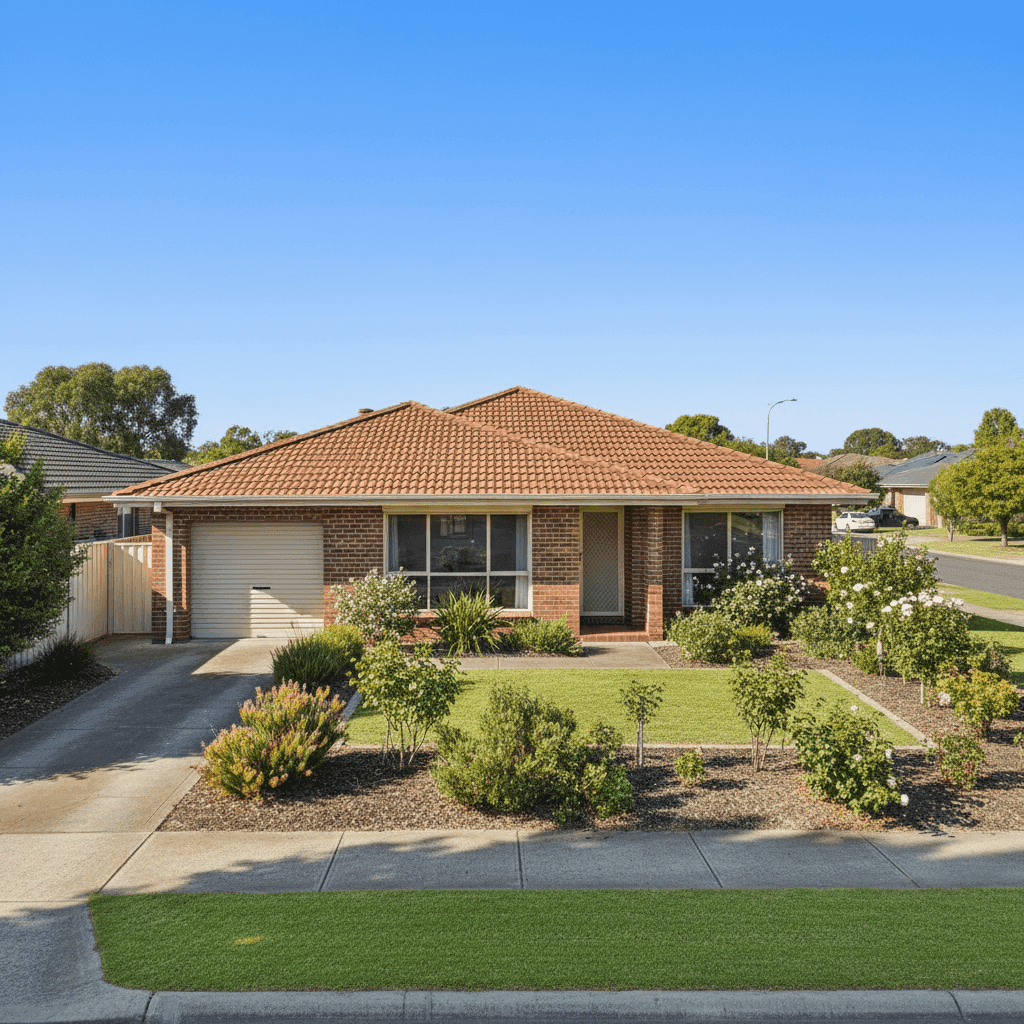
If you own a free standing home in Cranbourne North, VIC 3977, you're probably curious about what a fair home insurance premium looks like — and whether you're paying too much or getting a genuinely good deal. This article breaks down a real home and contents insurance quote for a three-bedroom property in the suburb, benchmarking it against local, state-wide, and national data to give you a clear picture of where it sits.
---
Is This Quote Fair?
The quote in question comes in at $1,150 per year (or roughly $109 per month) for combined home and contents cover — with a building sum insured of $450,000 and contents valued at $100,000. The building excess is $2,000, and the contents excess is $600.
Based on our analysis, this premium is rated CHEAP — meaning it sits meaningfully below average for the area. To put that in context, the suburb average for Cranbourne North is $1,685 per year, and the median sits at $1,493 per year across 55 quotes collected in the area. This quote lands well below the 25th percentile of $1,246 per year — in other words, it's among the most competitively priced quotes we've seen for this suburb.
That's a saving of over $530 per year compared to what the average Cranbourne North homeowner is paying. Over a five-year period, that's potentially more than $2,600 back in your pocket. It's worth noting, however, that a lower premium doesn't always mean better value — policy inclusions, sub-limits, and claim handling should also factor into your decision.
---
How Cranbourne North Compares
Zooming out beyond the suburb paints an even more striking picture. According to CoverClub's Cranbourne North insurance data, the local average of $1,685 per year is already well below the broader benchmarks:
| Benchmark | Average Premium | Median Premium |
|---|---|---|
| Cranbourne North (suburb) | $1,685/yr | $1,493/yr |
| Victoria (state) | $2,921/yr | $2,694/yr |
| Australia (national) | $2,965/yr | $2,716/yr |
| Frankston LGA | $2,247/yr | — |
Cranbourne North homeowners are paying, on average, 42% less than the Victorian state average and 43% less than the national average. Even within the Frankston LGA, the suburb comes in considerably cheaper than the broader local government area average of $2,247 per year.
You can explore Victoria-wide home insurance statistics and national home insurance benchmarks to see how your own situation stacks up across different regions.
This pricing gap reflects a combination of factors — lower flood and storm risk relative to many other Victorian suburbs, a relatively modern housing stock, and the predominance of brick veneer construction, which insurers tend to view favourably.
---
Property Features That Affect Your Premium
Every home is different, and insurers assess a range of property characteristics when calculating your premium. Here's how the key features of this particular property are likely influencing the quote:
Brick Veneer Walls Brick veneer is one of the most common construction types in suburban Melbourne and is generally well-regarded by insurers. It offers reasonable fire resistance and structural durability, which can contribute to lower premiums compared to timber-framed or clad homes.
Tiled Roof Terracotta or concrete tiles are considered a low-risk roofing material. They're durable, fire-resistant, and less susceptible to storm damage than corrugated iron or older materials like asbestos cement. This is a positive factor in premium calculations.
Slab Foundation A concrete slab foundation is standard for homes built in the 1990s across Victoria. Slabs are generally stable and don't carry the subsidence or pest-related risks associated with older suspended timber floors, which can keep insurance costs down.
Construction Year: 1991 At around 33 years old, this home is mature enough to have some wear but was built under modern building codes that introduced improved structural standards. It's not old enough to trigger significant concerns about ageing infrastructure, unlike pre-1970s homes.
Ducted Climate Control The presence of ducted heating and cooling is a notable inclusion. These systems are a common source of claims — from mechanical breakdown to water damage from faulty ducting — and some insurers factor this into their pricing or impose specific sub-limits on HVAC-related claims.
No Pool or Solar Panels The absence of a swimming pool removes a common liability risk, while no solar panels means no additional complexity around electrical systems or roof penetrations. Both of these simplify the risk profile and can contribute to a more competitive premium.
139 sqm Building Size At 139 square metres, this is a modest but practical family home. A smaller footprint generally means a lower rebuild cost, which helps keep the sum insured — and therefore the premium — more manageable.
---
Tips for Homeowners in Cranbourne North
Whether you're reviewing an existing policy or shopping around for the first time, here are four practical steps to make sure you're getting the best possible outcome:
- Review your sum insured regularly. Construction costs have risen sharply in recent years. A building sum insured of $450,000 for a 139 sqm brick veneer home may be appropriate today, but it's worth recalculating your rebuild cost annually — especially if you've renovated or extended. Underinsurance is one of the most common and costly mistakes homeowners make.
- Don't set and forget your contents value. $100,000 in contents cover is a reasonable starting point, but many households significantly underestimate the replacement cost of their belongings. Do a room-by-room inventory every year or two to make sure you're not caught short at claim time.
- Consider your excess settings carefully. This quote carries a $2,000 building excess and a $600 contents excess. A higher excess typically lowers your premium, but make sure you could comfortably cover that amount out of pocket if you needed to make a claim. Striking the right balance is key.
- Compare quotes before renewal. Even if your current premium looks competitive, the home insurance market changes frequently. Insurers adjust their pricing models, introduce new products, and offer promotional rates. Running a comparison at least once a year ensures you're not paying more than you need to.
---
Ready to Compare Home Insurance in Cranbourne North?
Whether this quote reflects your own situation or you're starting from scratch, CoverClub makes it easy to see what you could be paying. Get a home insurance quote today and compare options tailored to your property in Cranbourne North. With suburb-level data and transparent pricing comparisons, you'll have everything you need to make a confident decision.