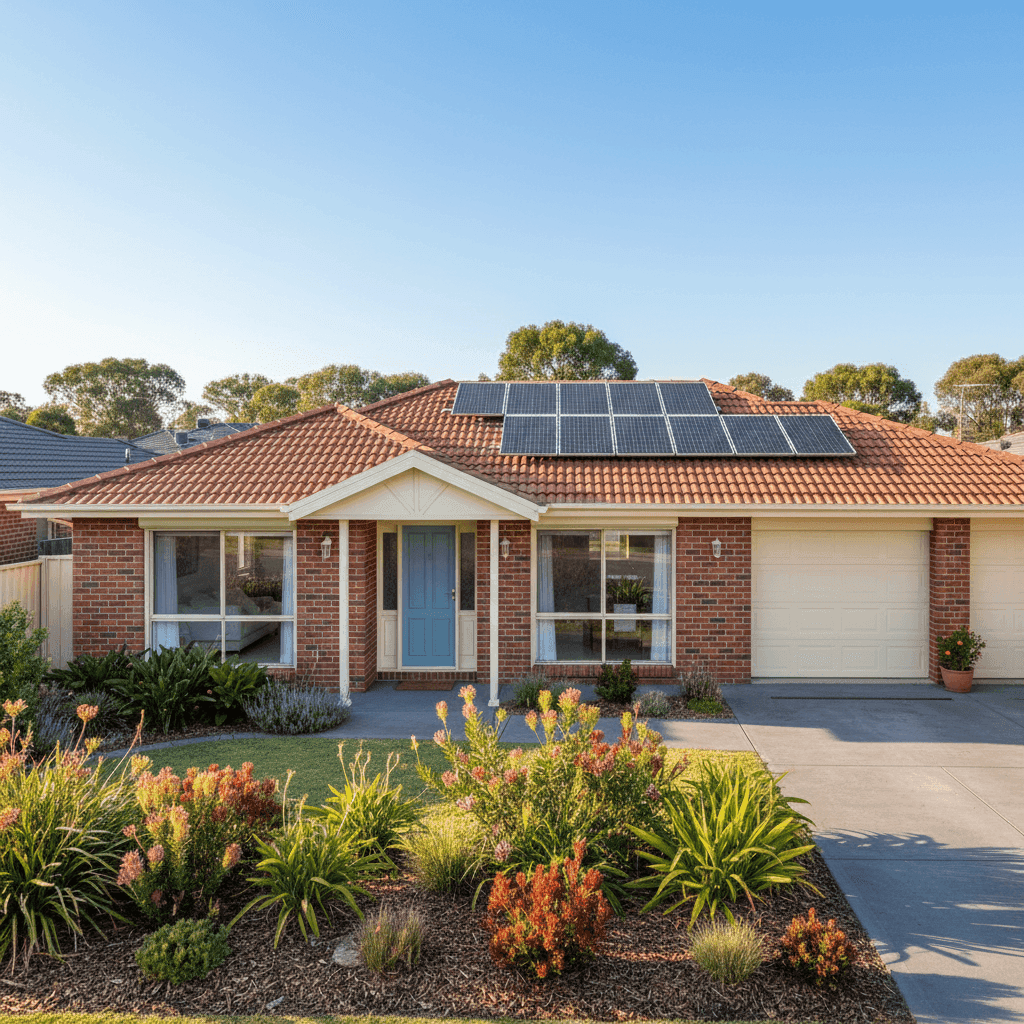
If you own a free standing home in Cranbourne, VIC 3977, you're likely no stranger to the challenge of finding the right home insurance at a fair price. Cranbourne is a well-established suburb in Melbourne's south-east growth corridor, with a mix of older homes and newer estates. This article takes a close look at a real home and contents insurance quote for a 4-bedroom, 2-bathroom brick veneer home in the area — and helps you understand whether you're getting value for money.
---
Is This Quote Fair?
The quote in question comes in at $1,734 per year (or $179/month) for combined home and contents cover, with a building sum insured of $700,000 and contents valued at $100,000. The building excess is $3,000 and the contents excess is $1,000.
Our price rating for this quote is EXPENSIVE — above average for the Cranbourne suburb.
To put that in perspective, the suburb average premium sits at $1,347/year and the median at $1,352/year, based on a sample of 33 quotes in postcode 3977. This quote is approximately $387 above the suburb average — that's a 29% premium over what most comparable properties in the area are paying.
That said, the higher sum insured ($700,000 for the building) is likely a significant driver of the elevated cost. A larger insured value means the insurer carries more risk, and that's reflected in the price. If your rebuild cost estimate is accurate, this may simply be the cost of being properly covered — underinsuring to save money is a risk not worth taking.
---
How Cranbourne Compares
Zooming out gives some useful context. Here's how this quote stacks up across different benchmarks:
| Benchmark | Premium |
|---|---|
| This Quote | $1,734/yr |
| Cranbourne Suburb Average | $1,347/yr |
| Cranbourne Suburb Median | $1,352/yr |
| Cranbourne 25th Percentile | $1,056/yr |
| Cranbourne 75th Percentile | $1,508/yr |
| VIC State Average | $3,000/yr |
| VIC State Median | $2,718/yr |
| LGA (Frankston) Average | $3,283/yr |
| National Average | $5,347/yr |
| National Median | $2,764/yr |
While this quote is above average for the Cranbourne suburb, it sits well below both the Victorian state average of $3,000/year and the national average of $5,347/year. Compared to the broader Frankston LGA average of $3,283/year, this quote actually looks quite competitive.
This contrast highlights an important point: Cranbourne benefits from relatively lower insurance premiums compared to much of Victoria and Australia as a whole. The suburb doesn't sit in a cyclone-prone zone, and the predominantly suburban landscape means flood and bushfire risks are more moderate than in many regional or coastal areas. You can explore more suburb-level data on the Cranbourne insurance stats page.
---
Property Features That Affect Your Premium
Several characteristics of this particular property have a meaningful influence on what insurers charge. Here's a breakdown:
Brick Veneer Construction Brick veneer is one of the most common wall materials in Melbourne's suburbs and is generally viewed favourably by insurers. It offers solid fire resistance and durability, which can help keep premiums down compared to timber-framed or weatherboard homes.
Tiled Roof Terracotta or concrete tiles are considered a robust roofing material and are standard across many Victorian homes. They tend to attract lower premiums than older materials like fibrous cement or asbestos sheeting.
Construction Year: 1975 At roughly 50 years old, this home sits in a bracket that insurers watch carefully. Older homes can carry higher risk due to ageing plumbing, electrical wiring, and structural wear. Some insurers apply loadings to homes built before a certain year, which may be contributing to the above-average premium here.
Slab Foundation A concrete slab foundation is generally considered stable and low-risk, particularly in areas without significant soil movement issues. This is a neutral-to-positive factor for insurers.
Timber and Laminate Flooring While stylish and popular, timber and laminate floors can be more costly to replace than carpet in the event of a claim — particularly water damage events. This can slightly elevate the contents or building replacement cost.
Solar Panels The presence of solar panels adds replacement value to the building sum insured. Panels can be damaged by hail, storm, or fire, and insurers need to factor in their replacement cost. It's worth confirming with your insurer that solar panels are explicitly covered under your policy.
Ducted Climate Control Ducted heating and cooling systems are a significant fixed asset within the home. Their inclusion in the building sum insured is appropriate and contributes to the higher overall coverage amount.
Building Size: 214 sqm At 214 square metres, this is a reasonably sized family home. The building sum insured of $700,000 equates to roughly $3,271 per square metre — broadly in line with current Victorian construction costs, though it's always worth getting a professional rebuild cost assessment to ensure accuracy.
---
Tips for Homeowners in Cranbourne
1. Review Your Sum Insured Regularly Construction costs have risen significantly in recent years. If your building sum insured hasn't been updated lately, you may be either underinsured (risking a shortfall at claim time) or overinsured (paying more than necessary). Consider using a building cost calculator or consulting a quantity surveyor.
2. Confirm Solar Panel Coverage Not all standard home insurance policies automatically cover solar panels as part of the building. Check your Product Disclosure Statement (PDS) carefully to ensure your system is included — and that the coverage extends to inverters and mounting hardware, not just the panels themselves.
3. Compare Multiple Quotes This quote is above the suburb average, which is a signal worth acting on. Insurers use different risk models and pricing algorithms, meaning the same property can attract vastly different premiums. Even a 15-minute comparison exercise could save you hundreds of dollars annually. Get a quote through CoverClub to see how other insurers price your home.
4. Consider Your Excess Strategy This policy carries a $3,000 building excess and a $1,000 contents excess. Opting for a higher excess is a common way to reduce your annual premium — but make sure the excess amount is something you could comfortably cover in the event of a claim. If $3,000 would be a financial stretch, it may be worth paying a slightly higher premium for a lower excess.
---
Ready to Find a Better Deal?
Whether this quote is right for you depends on your specific circumstances — but it's always worth knowing your options. CoverClub makes it easy to compare home and contents insurance quotes from multiple insurers, so you can see exactly where your money goes and find cover that suits your home and budget.