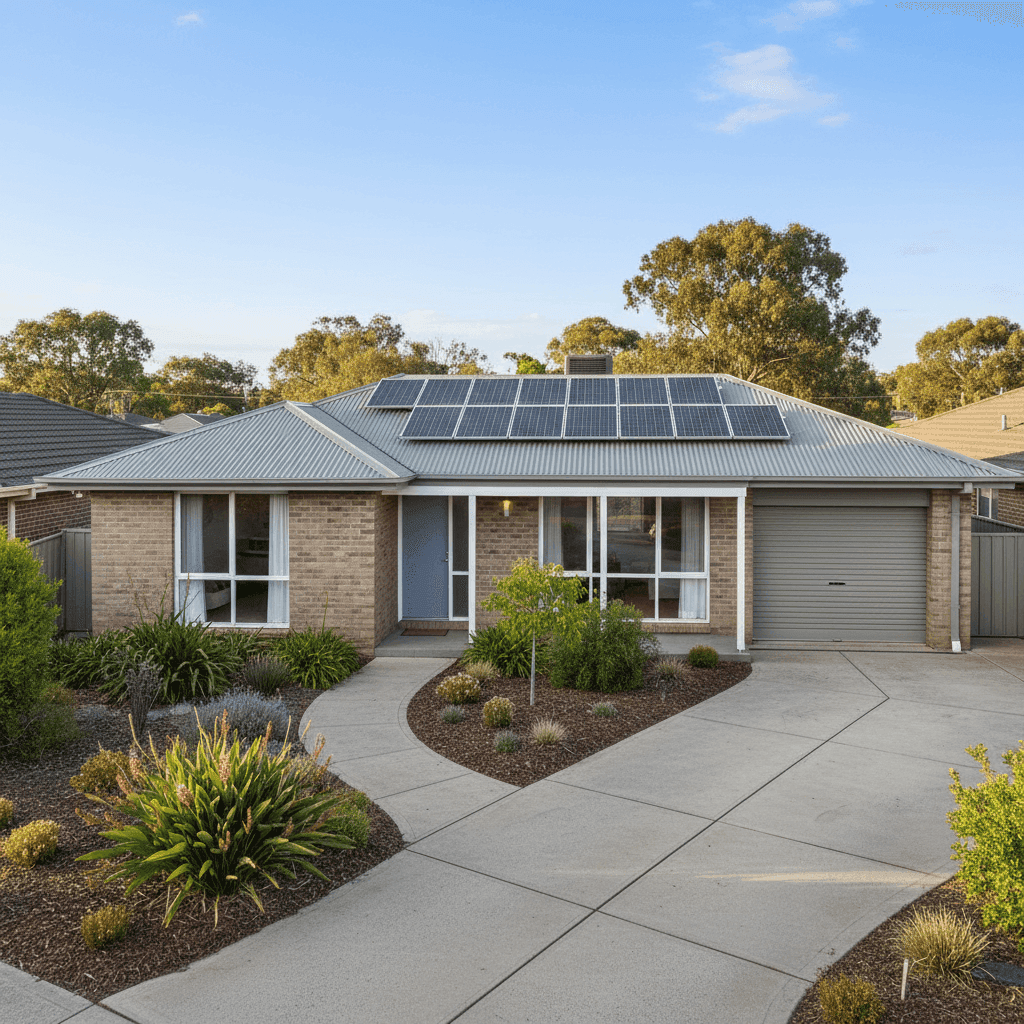
If you own a free standing home in Cranbourne, VIC 3977, you've probably wondered whether you're paying a fair price for home and contents insurance — or whether there's a better deal waiting. This article breaks down a real insurance quote for a four-bedroom, two-bathroom brick veneer home in Cranbourne, comparing it against suburb, state, and national benchmarks so you can make a more informed decision.
---
Is This Quote Fair?
The quote in question comes in at $1,092 per year (or roughly $105 per month) for combined home and contents cover, with a building sum insured of $417,000 and contents valued at $74,000. Both the building and contents excess are set at $5,000.
Based on CoverClub's pricing data, this quote is rated CHEAP — below average for the Cranbourne area. That's a strong result. It sits comfortably below the suburb's 25th percentile of $1,122 per year, meaning fewer than one in four quotes in this postcode come in this low. For a homeowner who has done their homework, this is the kind of outcome that makes shopping around worthwhile.
The high excess of $5,000 on both building and contents is almost certainly a key factor in keeping the premium down. A higher excess means you're agreeing to absorb more of the cost in the event of a claim, which reduces the insurer's risk — and your annual premium as a result. It's a legitimate strategy if you have sufficient savings to cover that gap and you're primarily seeking protection against major losses rather than minor incidents.
---
How Cranbourne Compares
To put this quote in proper context, here's how it stacks up against the broader market:
| Benchmark | Annual Premium |
|---|---|
| This Quote | $1,092 |
| Cranbourne Suburb Average | $1,662 |
| Cranbourne Suburb Median | $1,560 |
| Cranbourne 25th Percentile | $1,122 |
| LGA (Frankston) Average | $1,940 |
| VIC State Average | $2,921 |
| VIC State Median | $2,694 |
| National Average | $2,965 |
| National Median | $2,716 |
Based on 73 quotes collected for the Cranbourne postcode.
The gap between this quote and the state average is striking — at $1,092, this homeowner is paying 63% less than the average Victorian and 63% less than the national average. Even compared to the suburb median of $1,560, the saving is over $460 per year.
Cranbourne itself is a relatively affordable suburb to insure compared to much of Victoria. The suburb average of $1,662 is well below the Victorian state average of $2,921 and the national average of $2,965. This reflects the area's lower exposure to catastrophic natural hazard events like cyclones or severe flooding compared to higher-risk regions of Australia.
---
Property Features That Affect Your Premium
Every home tells a story to an insurer, and the features of this particular property help explain why it attracts a competitive premium.
Brick veneer construction is viewed favourably by insurers. It offers solid fire resistance and structural durability compared to timber-framed weatherboard homes, which can reduce both the likelihood and severity of certain types of claims.
A steel/Colorbond roof is another tick in the right column. Colorbond is lightweight, corrosion-resistant, and performs well in high-wind conditions. It's also a relatively modern and low-maintenance roofing material, which insurers tend to price more favourably than older tile or slate roofs.
Slab foundation homes are generally considered stable and predictable from a structural risk standpoint, particularly in established suburban areas like Cranbourne.
Built in 1984, the home is now over 40 years old. While this doesn't automatically raise red flags, older homes can attract higher premiums if insurers factor in ageing plumbing, wiring, or roofing. In this case, the Colorbond roof likely offsets some of that concern.
Solar panels are noted on this property. While they add value to the home, they can slightly increase rebuild costs (and therefore the sum insured required) and may be a minor factor in premium calculations depending on the insurer's policy.
Ducted climate control is another feature that increases the replacement value of the home's fixtures and fittings. Again, this is reflected in the building sum insured rather than dramatically shifting the premium on its own.
The absence of a swimming pool and the property's location outside a cyclone risk zone are both premium-friendly factors. Pools introduce liability and maintenance considerations, while cyclone-prone postcodes in northern Australia can see premiums spike dramatically.
---
Tips for Homeowners in Cranbourne
Whether you're reviewing your existing policy or shopping for a new one, here are four practical steps worth considering:
- Review your sum insured regularly. Building costs have risen sharply across Victoria in recent years. A sum insured of $417,000 for a 130 sqm home may be appropriate today, but it's worth reassessing annually to ensure you wouldn't be underinsured in the event of a total loss. Use a building cost calculator or ask your insurer to confirm the figure aligns with current construction rates in the area.
- Understand the trade-off with high excesses. A $5,000 excess keeps premiums low but means smaller claims aren't worth making. If a storm damages your fence or a pipe bursts causing moderate water damage, you'd likely be covering it out of pocket. Make sure your emergency savings can comfortably absorb this before opting for a high-excess policy.
- Check what your policy says about solar panels. Not all insurers automatically cover solar panel systems under a standard building policy. Confirm whether your panels are included in your sum insured and whether there are any exclusions related to mechanical or electrical breakdown.
- Shop around at renewal time. Insurers frequently adjust their pricing models, and loyalty doesn't always pay. The fact that this quote comes in well below the suburb average is a reminder that premiums for the same property can vary significantly between providers. Comparing quotes annually takes just a few minutes and can save hundreds of dollars.
---
Ready to Compare Home Insurance in Cranbourne?
CoverClub makes it easy to see how your current premium stacks up and find competitive quotes for your home. Whether you're insuring a brick veneer classic or a newly built property, comparing options is the smartest way to make sure you're not overpaying.
Get a home insurance quote for your Cranbourne property today and see how your premium compares to your neighbours.