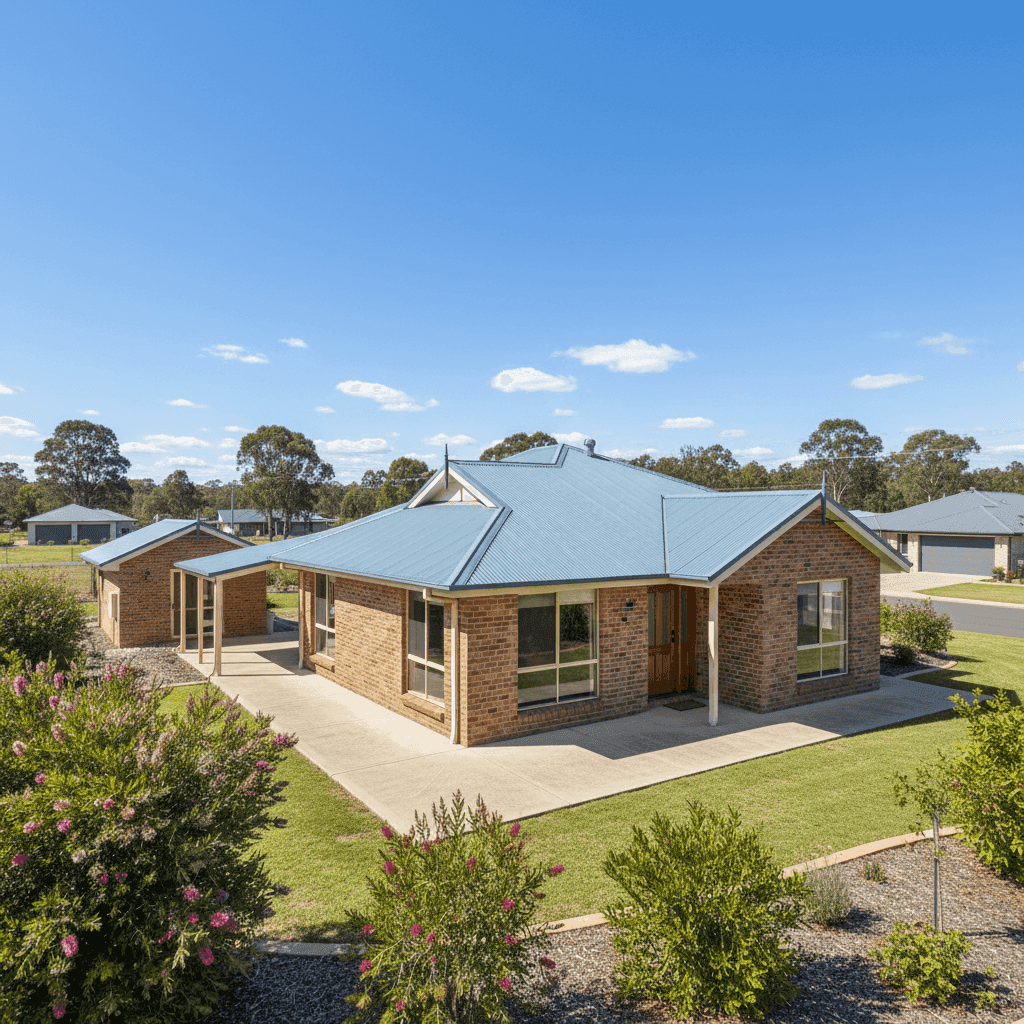
If you own a free standing home in Croobyar, NSW 2539, understanding what you should be paying for home and contents insurance is one of the smartest financial checks you can make. Croobyar is a small locality in the Shoalhaven region on the NSW South Coast — a beautiful part of the country, but one that comes with its own set of insurance considerations. This article breaks down a real quote for a 3-bedroom, double brick home in the area, compares it against state and national benchmarks, and offers practical advice for local homeowners.
---
Is This Quote Fair?
The quote in question sits at $3,249 per year (or $332/month) for combined home and contents cover, with a building sum insured of $767,000 and contents valued at $50,000. The building excess is $3,000 and the contents excess is $1,000.
Our price rating for this quote? Cheap — below average. That's a genuinely positive result for the homeowner.
To put it in perspective: the NSW state average premium sits at $9,528 per year, with a state median of $3,770. At $3,249, this quote comes in well below both figures. Compared to the national average of $5,347 and a national median of $2,764, the quote is slightly above the national median but significantly under the national average — a strong result for a property with a $767,000 building sum insured.
Perhaps most telling is the local context: the Shoalhaven LGA average premium is $11,272 per year — more than three times this quote. That's a remarkable gap, and it suggests this particular property profile is attracting a very competitive rate relative to its neighbours across the broader LGA.
---
How Croobyar Compares
While suburb-level data for Croobyar isn't available in sufficient volume to produce a reliable local average, we can use the surrounding benchmarks to paint a clear picture. Here's how the numbers stack up:
| Benchmark | Annual Premium |
|---|---|
| This Quote | $3,249 |
| National Median | $2,764 |
| National Average | $5,347 |
| NSW State Median | $3,770 |
| NSW State Average | $9,528 |
| Shoalhaven LGA Average | $11,272 |
The Shoalhaven LGA average is particularly eye-catching. Much of the Shoalhaven region is exposed to elevated bushfire risk, flood-prone areas, and coastal weather events — all of which drive premiums up significantly for many properties. The fact that this quote falls so far below the LGA average indicates the specific property characteristics are working in the homeowner's favour.
For more localised data as it becomes available, you can check the Croobyar suburb stats page.
---
Property Features That Affect Your Premium
Several characteristics of this property likely contribute to its competitive premium. Let's unpack the key ones:
Double Brick Walls
Double brick construction is widely regarded by insurers as one of the most resilient external wall types. It offers excellent fire resistance, structural durability, and strong protection against impact damage. Compared to timber or lightweight cladding, double brick homes typically attract lower premiums — and rightly so.
Steel / Colorbond Roof
A Colorbond steel roof is another tick in the right column. These roofs are highly durable, resistant to corrosion, and perform well in both bushfire-prone and coastal environments. Insurers view them favourably compared to older terracotta or asbestos roofing materials.
Concrete Slab Foundation
Slab-on-ground foundations are generally considered low-risk from an insurance perspective. They reduce the likelihood of subfloor damage and provide a stable base — particularly relevant in areas with variable soil conditions.
Tile Flooring
Tiled floors throughout are both practical and insurance-friendly. They're resistant to water damage and less susceptible to warping or mould compared to carpet or timber, which can reduce the likelihood and cost of contents and building claims.
Granny Flat on the Property
The presence of a granny flat is worth noting. While it adds value to the property, homeowners should confirm with their insurer that the granny flat structure is included within the building sum insured of $767,000. If it's a separate, self-contained dwelling, some policies may require it to be listed separately or may have specific conditions around rental income cover.
No Pool, Solar Panels, or Ducted Climate Control
The absence of a pool, solar panels, and ducted air conditioning simplifies the risk profile. Each of these features can add to both the replacement cost and the claims exposure of a property, so their absence contributes to a more straightforward — and often cheaper — policy.
2003 Construction
A home built in 2003 benefits from modern building codes without being old enough to present significant structural concern. It's generally considered a sweet spot for insurers — past the era of older, higher-risk construction methods, but not so new that premium materials drive up rebuild costs.
---
Tips for Homeowners in Croobyar
Whether you're reviewing an existing policy or shopping for the first time, here are four practical steps to make sure you're getting the right cover at the right price.
1. Review your building sum insured annually. At $767,000, the building sum insured needs to reflect the actual cost to rebuild — not the market value of the property. Construction costs have risen sharply in recent years, so it's worth using a building cost calculator or speaking to a quantity surveyor to make sure you're not underinsured.
2. Confirm your granny flat is covered. As mentioned above, the granny flat on this property adds complexity. Read your policy's Product Disclosure Statement (PDS) carefully to confirm whether outbuildings and secondary dwellings are included, and to what limit. Don't assume — ask your insurer directly.
3. Consider your excess carefully. This policy carries a $3,000 building excess, which is on the higher end. A higher excess generally lowers your premium, but it also means you'll pay more out of pocket when you make a claim. Make sure the excess level reflects what you can comfortably afford in the event of damage.
4. Take advantage of your low-risk property features. When comparing quotes, make sure every insurer is aware of your double brick construction, Colorbond roof, and slab foundation. These details can make a meaningful difference to your quoted premium, and not all comparison tools capture them accurately.
---
Compare Your Options with CoverClub
Even a "cheap" quote is worth comparing. Insurance pricing varies significantly between providers, and the right policy isn't just about price — it's about the right level of cover for your specific property. At CoverClub, you can enter your property details and see how your current premium stacks up against real market data. It takes just a few minutes and could save you hundreds.