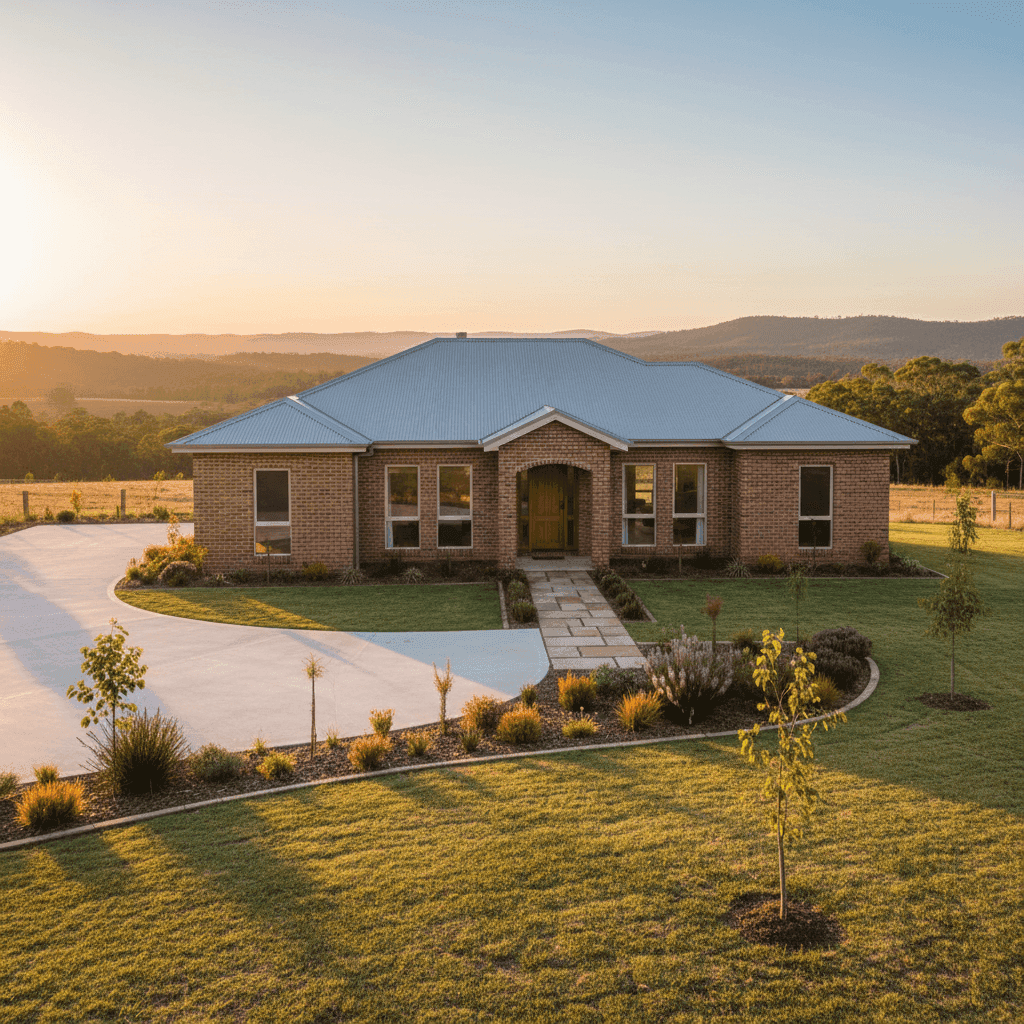
Croobyar is a quiet rural locality on the South Coast of New South Wales, sitting within the Shoalhaven local government area. It's the kind of place where properties enjoy a relaxed lifestyle away from the hustle of major cities — but that doesn't mean home insurance is something you can afford to overlook. For owners of a free standing home in this postcode, understanding what a fair premium looks like is the first step to making sure you're not overpaying (or underinsured).
This article breaks down a real home and contents insurance quote for a 3-bedroom, 1-bathroom free standing home in Croobyar, compares it against state and national benchmarks, and offers practical tips to help you get the most out of your cover.
---
Is This Quote Fair?
The quote in question comes in at $5,801 per year (or $556/month) for combined home and contents cover, with a building sum insured of $769,000 and contents valued at $50,000. Both the building and contents excess are set at $1,000 each.
Based on our pricing analysis, this quote is rated CHEAP — below average for the area. That's genuinely good news for the homeowner. In a region where premiums can vary dramatically depending on flood zones, bushfire risk, and proximity to the coast, landing a below-average premium on a well-specified property is a solid outcome.
To put it in perspective: the Shoalhaven LGA average premium sits at $11,272 per year — nearly double this quote. Insurers price risk at a granular level, so individual property characteristics, construction quality, and specific location within a postcode all play a role. This particular property appears to benefit from a combination of favourable features that keep the risk profile relatively low.
---
How Croobyar Compares
While suburb-level data for Croobyar is limited due to the small population size, we can benchmark this quote against broader datasets to get a clear picture. Here's how it stacks up:
| Benchmark | Annual Premium |
|---|---|
| This Quote | $5,801 |
| NSW State Average | $9,528 |
| NSW State Median | $3,770 |
| National Average | $5,347 |
| National Median | $2,764 |
| Shoalhaven LGA Average | $11,272 |
This quote sits below the NSW state average of $9,528 and is very close to the national average of $5,347 — impressive given that the Shoalhaven LGA average is a steep $11,272. The LGA figure is likely elevated by coastal and flood-prone properties within the broader region, which can carry significantly higher risk ratings.
It's worth noting that the NSW state median of $3,770 is lower than this quote, which simply reflects that many NSW properties are insured for lower building sums or have more basic cover. A $769,000 building sum insured is substantial, and the premium relative to that coverage level remains competitive.
You can explore more data for this area at the Croobyar suburb stats page, or browse the NSW state insurance statistics and national home insurance data for broader context.
---
Property Features That Affect Your Premium
Every property is different, and insurers weigh up a range of characteristics when calculating your premium. Here's how the features of this particular home likely influence its pricing:
Double Brick External Walls Double brick construction is one of the most favoured wall types among insurers. It's highly durable, fire-resistant, and less susceptible to storm damage compared to timber or lightweight cladding. This is likely a meaningful contributor to the competitive premium on this property.
Steel / Colorbond Roof Colorbond steel roofing is another tick in the insurer's favour column. It's lightweight, resistant to corrosion, and performs well in high-wind and bushfire-prone environments. It also tends to have a longer serviceable life than older roofing materials, reducing the likelihood of weather-related claims.
Concrete Slab Foundation A slab foundation is generally considered stable and low-risk, particularly in areas without significant soil movement or flooding concerns. It eliminates the underfloor cavity that can be a source of pest damage or moisture ingress in older homes.
Tile Flooring Tiles are a durable, low-maintenance flooring choice that holds up well in the event of water damage. From an insurer's perspective, this reduces the potential cost of certain types of internal damage claims.
Ducted Climate Control The presence of ducted climate control adds some value to the insured contents and building systems. It's worth ensuring this is adequately reflected in both the building sum insured and any home contents or building features listed on your policy.
Construction Year: 2003 At just over two decades old, this home is relatively modern. Newer builds typically comply with more recent building codes, which often means better structural integrity and improved safety standards — both of which are viewed favourably by underwriters.
No Pool, No Solar Panels The absence of a swimming pool removes a common liability risk factor. Solar panels, while increasingly common, can add complexity to roof-related claims. Neither being present here keeps the risk profile clean and straightforward.
---
Tips for Homeowners in Croobyar
Whether you're renewing your existing policy or shopping around for the first time, here are four practical tips for homeowners in the Croobyar area:
1. Review Your Building Sum Insured Regularly Construction costs have risen significantly in recent years across regional NSW. A sum insured of $769,000 may be appropriate today, but it's worth reassessing annually to ensure it reflects current rebuild costs — not the original purchase price or an outdated estimate. Underinsurance is one of the most common and costly mistakes homeowners make.
2. Understand What's Included in Your Contents Cover $50,000 in contents cover is a starting point, but it's easy to underestimate the replacement value of everything inside your home. Do a room-by-room inventory and don't forget items like whitegoods, electronics, clothing, and outdoor furniture. Many policies also allow you to specify high-value items separately.
3. Check Your Bushfire and Flood Risk Ratings The Shoalhaven region has areas with elevated bushfire and flood risk. Even if your specific property isn't in a high-risk zone, it's worth confirming with your insurer exactly what natural disaster events are covered and whether any exclusions apply. Some policies require additional endorsements for full bushfire or flood protection.
4. Compare Before You Renew Insurance loyalty rarely pays off. Insurers frequently offer better rates to new customers, meaning long-term policyholders can end up paying more for the same cover. Set a reminder to compare quotes at least 30 days before your renewal date so you have time to switch if a better deal is available.
---
Ready to Compare Home Insurance Quotes?
Whether you're in Croobyar or anywhere else in Australia, comparing quotes is the single most effective way to ensure you're getting fair value on your home insurance. CoverClub makes it easy to see what's available in your area and benchmark your current premium against the market.
Get a home insurance quote today at CoverClub — it takes just a few minutes and could save you hundreds of dollars a year.