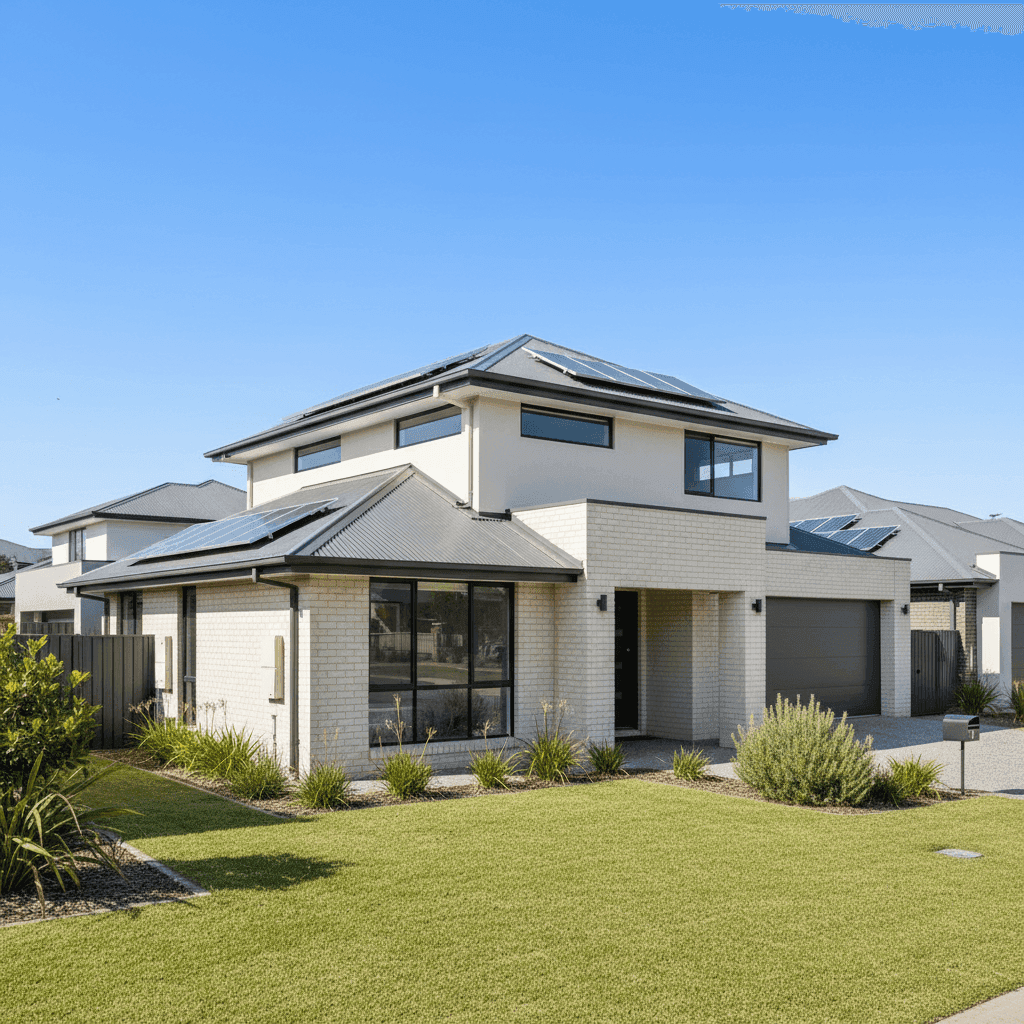
Culburra Beach is a relaxed coastal community on the South Coast of New South Wales — a spot known for its surf beaches, quiet streets, and a growing number of permanent residents making the sea-change dream a reality. But coastal living comes with its own insurance considerations, and for owners of a free standing home in this postcode, understanding what drives your premium is just as important as finding the right cover.
This article breaks down a recent home and contents insurance quote for a five-bedroom, brick veneer home in Culburra Beach (NSW 2540), comparing it against local, state, and national benchmarks to help you decide whether you're getting a fair deal.
---
Is This Quote Fair?
The quote in question comes in at $4,662 per year (or $447/month) for combined home and contents cover, with a building sum insured of $1,252,000 and contents valued at $120,000. Both the building and contents excess are set at $1,000.
Our price rating for this quote is Expensive — above the suburb average. That's not a label to dismiss lightly, but context matters enormously here. The building sum insured of $1,252,000 is a significant figure — well above what many comparable homes in the area would be insured for — and this alone will push the premium upward. A larger insured value means a larger potential payout for the insurer, and premiums reflect that exposure directly.
It's also worth noting that the property includes solar panels and ducted climate control, both of which add to the replacement cost of the home and are factored into the sum insured. If the building valuation is accurate (and for a 214 sqm home built in 2010 with quality fittings, it may well be), then the premium may be more justified than the "expensive" tag initially suggests.
---
How Culburra Beach Compares
To put the $4,662 figure into perspective, here's how it stacks up against available benchmarks:
| Benchmark | Premium |
|---|---|
| This quote | $4,662/yr |
| Culburra Beach suburb average | $1,878/yr |
| Culburra Beach suburb median | $1,338/yr |
| Culburra Beach 75th percentile | $2,397/yr |
| NSW state average | $9,528/yr |
| NSW state median | $3,770/yr |
| National average | $5,347/yr |
| National median | $2,764/yr |
Suburb data based on 13 quotes. [View full Culburra Beach insurance stats](https://coverclub.com.au/stats/NSW/2540/culburra-beach).
A few things stand out here. While this quote sits above the suburb average and median, it falls below both the NSW state average and the national average — which are $9,528/yr and $5,347/yr respectively. It also sits above the NSW state median of $3,770/yr, which is a more representative figure given how skewed averages can be by high-value properties.
The suburb sample size of 13 quotes is relatively small, so the local averages may not capture the full range of property types and cover levels in the area. Larger homes with higher sums insured — like this one — will naturally sit toward the upper end of any local distribution.
For broader context, you can explore NSW home insurance statistics or national home insurance benchmarks to see how different regions and property types compare across Australia.
---
Property Features That Affect Your Premium
Several characteristics of this property have a direct bearing on what insurers charge. Here's a breakdown of the key factors at play:
Brick veneer construction and Colorbond roof Brick veneer walls paired with a steel Colorbond roof is a widely used and well-regarded combination in Australian residential construction. Insurers generally view this favourably — brick veneer offers solid fire resistance, while Colorbond roofing is durable, lightweight, and performs well in high-wind conditions. This combination is unlikely to attract loading from most insurers.
Slab foundation A concrete slab foundation is standard for homes built in this era and region. It's generally considered low-risk from an insurance perspective, with no elevated subfloor space to worry about and minimal exposure to subsidence compared to older stumped or timber-framed foundations.
Timber and laminate flooring While attractive and popular, timber and laminate floors can be more susceptible to water damage than tile alternatives. In a coastal environment like Culburra Beach — where humidity and the occasional storm event are part of life — this is worth keeping in mind when reviewing your contents and building cover for water-related claims.
Solar panels Solar panels are now a standard feature on many Australian homes, but they do add to the replacement cost of a building. Most insurers include solar panels under building cover, and their value should be factored into the sum insured. For a system of typical residential size, this can add $10,000–$20,000 or more to the replacement cost.
Ducted climate control Ducted air conditioning systems are expensive to replace — often $15,000 to $30,000 or more depending on the size of the home. Including this in the building sum insured is essential, and it's a meaningful contributor to why the insured value here sits at $1,252,000.
No pool, no cyclone risk zone The absence of a swimming pool removes one potential liability exposure, and the property's location outside a designated cyclone risk area means it avoids the significant premium loadings that apply in northern Queensland and parts of Western Australia.
---
Tips for Homeowners in Culburra Beach
1. Validate your building sum insured At $1,252,000, the building sum insured is the single largest driver of this premium. It's worth periodically reviewing this figure — either using an online building cost calculator or consulting a quantity surveyor — to ensure it reflects current construction costs without over-insuring. Both under- and over-insuring carry real risks.
2. Shop around, even if your current cover seems reasonable With only 13 quotes in the local dataset, the range of premiums available in this postcode may be wider than the numbers suggest. Different insurers price coastal properties differently, and comparing multiple quotes through a platform like CoverClub can surface meaningful savings without compromising on cover.
3. Review your contents valuation annually Contents cover of $120,000 is a reasonable starting point for a five-bedroom home, but it's easy to underestimate the cumulative value of furniture, appliances, clothing, and personal items. An annual review — especially after major purchases — helps ensure you're not caught short at claim time.
4. Consider your excess strategy Both the building and contents excess are set at $1,000. Opting for a higher voluntary excess (say, $2,000 or $2,500) can reduce your annual premium, which may make sense if you have the financial buffer to cover a larger out-of-pocket cost in the event of a claim. Conversely, if cash flow is a concern, the current level provides a manageable threshold.
---
Ready to Compare?
Whether you're reviewing your existing policy or shopping for cover for the first time, comparing quotes is the most effective way to ensure you're not overpaying. Get a home insurance quote through CoverClub to see how different insurers price your property — and make a more informed decision about your cover.