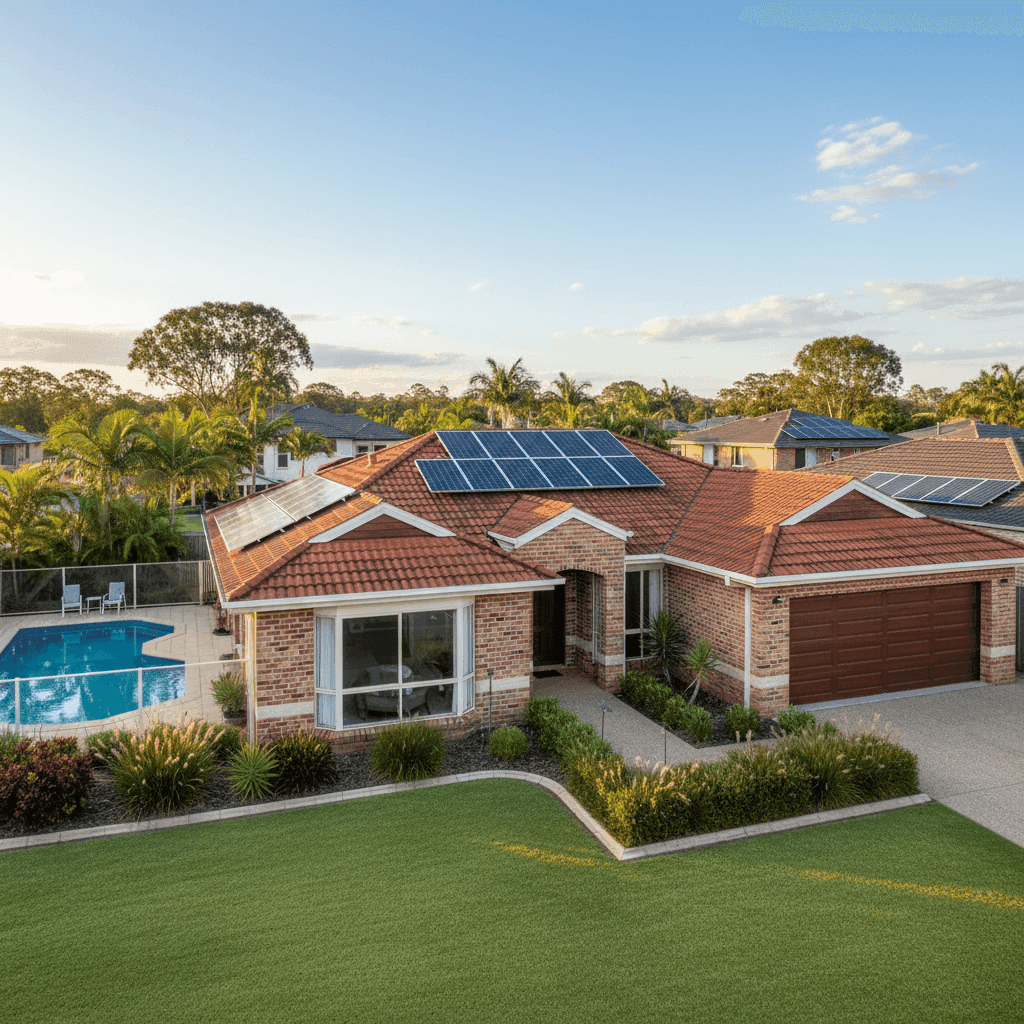
Currimundi is a relaxed coastal suburb on Queensland's Sunshine Coast, popular with families drawn to its lake, beaches, and laid-back lifestyle. It's also a suburb where property values — and the cost of insuring them — reflect the desirability of the area. This article breaks down a real home and contents insurance quote for a five-bedroom free-standing home in Currimundi (postcode 4551), rated Expensive (Above Average), and explains what's driving the premium and what you can do about it.
---
Is This Quote Fair?
The quote in question comes in at $4,582 per year (or $429/month) for a combined home and contents policy, covering a building sum insured of $1,090,000 and $200,000 in contents. The building and contents excess are both set at $1,000.
Our price rating for this quote is Expensive, meaning it sits above the average for comparable properties in the suburb. But context matters — let's unpack what "expensive" actually means here.
Within Currimundi itself, the suburb average premium is $3,647/year, and the median sits at $3,173/year. This quote lands above the 75th percentile ($4,055/year), meaning it's pricier than at least three-quarters of quotes we've seen for this area. That's a meaningful gap worth investigating.
That said, when you zoom out to the state level, the picture shifts considerably. The Queensland average premium is a hefty $9,129/year, though the QLD median tells a more grounded story at $3,903/year — a figure this quote is only modestly above. Queensland's insurance market is heavily skewed by high-risk coastal and cyclone-prone regions in the north, which drags the average up significantly.
At the national level, the average premium is $5,347/year and the median is $2,764/year. So while this quote is above the national median, it's comfortably below the national average — a nuance worth keeping in mind.
The bottom line: this premium is on the higher side for Currimundi specifically, but it's not out of step with what larger, well-appointed homes on the Sunshine Coast typically attract.
---
How Currimundi Compares
Here's a quick snapshot of how this quote stacks up across different benchmarks:
| Benchmark | Premium |
|---|---|
| This Quote | $4,582/yr |
| Currimundi Suburb Average | $3,647/yr |
| Currimundi Suburb Median | $3,173/yr |
| Currimundi 75th Percentile | $4,055/yr |
| Sunshine Coast LGA Average | $7,249/yr |
| QLD State Average | $9,129/yr |
| QLD State Median | $3,903/yr |
| National Average | $5,347/yr |
| National Median | $2,764/yr |
One figure that stands out is the Sunshine Coast LGA average of $7,249/year. This quote is well below that benchmark, which suggests that — relative to the broader LGA — this premium is actually quite competitive. The LGA average is pulled upward by higher-risk or higher-value properties across the region.
You can explore more local data on the Currimundi suburb stats page, which is updated regularly as new quotes come through.
---
Property Features That Affect Your Premium
Several characteristics of this property directly influence what insurers charge. Understanding them helps you see why this quote lands where it does.
Size and sum insured: At 334 sqm, this is a large home. Combined with a building sum insured of $1,090,000, the insurer is taking on significant replacement cost exposure. Larger homes cost more to rebuild, and that's reflected in the premium.
Brick veneer construction and tiled roof: These are generally considered low-to-moderate risk by Australian insurers. Brick veneer walls offer solid fire resistance and durability, while a tiled roof is viewed more favourably than metal or fibrous cement in many scenarios. This construction profile typically works in the homeowner's favour.
Slab foundation: A concrete slab is a standard, stable foundation type that doesn't attract any particular loading from insurers — a neutral factor here.
Swimming pool: Pools add liability exposure and can increase the contents or structural components of a policy. They're a common feature on the Sunshine Coast but do contribute to a higher overall premium.
Solar panels: Rooftop solar is increasingly common in Queensland, and most insurers now include panels under building cover — but the higher replacement value of the system can nudge premiums upward. With solar installed, it's worth confirming exactly what your policy covers in terms of panel damage or theft.
Ducted climate control: Ducted air conditioning systems are expensive to replace and are typically included in the building sum insured. This adds to the overall insured value and, by extension, the premium.
No cyclone risk: Currimundi sits outside the designated cyclone risk zone, which is a meaningful saving compared to properties further north in Queensland. Cyclone cover is one of the biggest premium drivers in QLD, so this property benefits from its location.
---
Tips for Homeowners in Currimundi
1. Review your building sum insured carefully. At $1,090,000, the sum insured is the single biggest lever on your premium. Make sure it reflects the true cost to rebuild — not the market value of your home. Underinsurance is a real risk, but overinsurance means you're paying for coverage you'd never receive. A quantity surveyor can provide an accurate rebuild estimate.
2. Shop around — even if you're happy with your current insurer. With 21 quotes in our Currimundi dataset, there's genuine price variation in this suburb. The gap between the 25th percentile ($2,661/year) and the 75th percentile ($4,055/year) is over $1,400 annually. Comparing multiple quotes takes minutes and could save you significantly. Get a quote at CoverClub to see what's available for your property.
3. Check your contents cover reflects reality. $200,000 in contents cover is a reasonable figure for a five-bedroom home, but it's worth doing a room-by-room audit every couple of years. Underinsuring your contents is one of the most common mistakes Australian homeowners make — especially after major purchases or renovations.
4. Ask about discounts for security and safety features. Many insurers offer premium reductions for homes with monitored alarm systems, deadbolts, or smoke detectors. If your home has these features, make sure your insurer knows — and if it doesn't, some modest upgrades could pay for themselves in reduced premiums over time.
---
Compare Your Options with CoverClub
Whether this quote feels right or you suspect you're paying too much, the smartest move is always to compare. CoverClub makes it easy to see real quotes for your specific property in Currimundi — not generic estimates. Start a comparison today and find out if there's a better deal waiting for you.