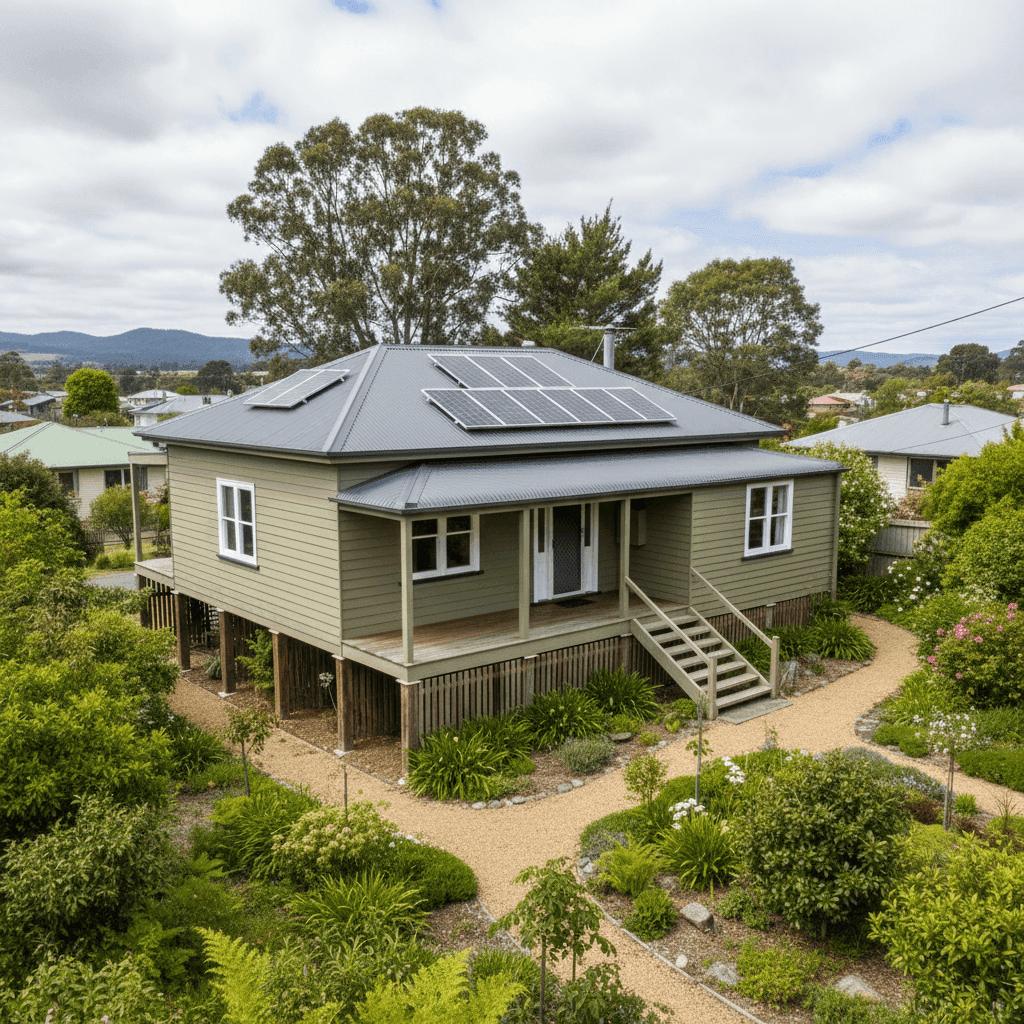
Nestled in the picturesque Huon Valley, Cygnet is a charming small town in southern Tasmania that blends rural character with a tight-knit community feel. If you own a free standing home here, you'll know that insuring a property in regional TAS comes with its own set of considerations — from construction type to flood and bushfire exposure. In this article, we dig into a real home and contents insurance quote for a 5-bedroom weatherboard home in Cygnet (postcode 7112) and assess whether it represents fair value.
---
Is This Quote Fair?
The quote in question comes in at $4,029 per year (or $402/month) for combined home and contents cover, with a building sum insured of $634,000 and contents valued at $37,000. The building excess is $3,000 and the contents excess is $1,000.
Our price rating for this quote is EXPENSIVE — above average by most meaningful benchmarks.
To put that in perspective: the suburb average for Cygnet sits at just $1,645/year, and the median is a very similar $1,638. That means this quote is roughly 2.45× the local average — a significant gap that warrants a closer look.
Even against broader benchmarks, the premium stands out. The Tasmanian state average is $2,458/year, and the national average is $2,965/year. This quote exceeds both — sitting about 64% above the state average and 36% above the national figure.
That said, it's worth noting this quote covers a larger-than-average home (5 bedrooms, 130 sqm) with a relatively high building sum insured of $634,000. The LGA average for Kingborough — the broader local government area that includes Cygnet — is $3,220/year, which is considerably closer to this quote's price point. So while the premium is elevated compared to the immediate suburb, it's less of an outlier at the LGA level.
---
How Cygnet Compares
Here's a snapshot of how this quote stacks up across different geographic benchmarks:
| Benchmark | Average Premium | Median Premium |
|---|---|---|
| Cygnet (7112) | $1,645/yr | $1,638/yr |
| TAS (State) | $2,458/yr | $2,272/yr |
| National | $2,965/yr | $2,716/yr |
| Kingborough LGA | $3,220/yr | — |
| This Quote | $4,029/yr | — |
It's also useful to look at the suburb's interquartile range. The 25th percentile for Cygnet home insurance sits at $1,257/year, while the 75th percentile reaches $1,990/year. This quote sits well above even the upper quartile for the suburb — reinforcing the "expensive" rating.
One important caveat: the suburb sample size is relatively small at just 11 quotes, so the local averages may not fully capture the range of properties and risk profiles in the area. Larger, more complex homes like this one will naturally attract higher premiums than the typical Cygnet dwelling.
---
Property Features That Affect Your Premium
Several characteristics of this property are likely contributing to the higher-than-average premium. Understanding them can help you have more informed conversations with insurers.
Weatherboard Timber Construction
Weatherboard wood external walls are a common feature of older and character homes across Tasmania, but they carry a higher fire and weather-damage risk compared to brick veneer or full brick construction. Insurers typically price timber-clad homes at a premium due to their susceptibility to moisture ingress, rot, and fire spread.
Steel/Colorbond Roof
On the positive side, a Colorbond steel roof is generally viewed favourably by insurers. It's durable, low-maintenance, and performs well in high-wind and heavy-rain events — all relevant considerations in southern Tasmania's climate.
Pole/Stump Foundation
This home sits on a pole or stump foundation and is elevated by less than 1 metre. Elevated homes can be more exposed to wind-driven rain and subfloor moisture, both of which can increase claims risk. However, some elevation can also offer protection from surface water flooding — a factor that may be relevant in the Huon Valley.
Solar Panels
The property has solar panels installed, which adds to the overall replacement cost of the building. Insurers need to account for the cost of replacing panels in the event of storm, hail, or fire damage — this can meaningfully increase the building sum insured and, by extension, the premium.
Timber/Laminate Flooring
Timber and laminate floors are more vulnerable to water damage than tiles or concrete, which can increase the likelihood and cost of claims following a leak or flood event.
High Building Sum Insured
At $634,000, the building sum insured is the single biggest driver of premium cost. This reflects the full rebuild cost of a 5-bedroom home with quality finishes, and it's important this figure is accurate — both under-insurance and over-insurance carry risks.
---
Tips for Homeowners in Cygnet
If you're looking to manage your home insurance costs without sacrificing meaningful cover, here are a few strategies worth considering:
- Review your building sum insured carefully. Make sure your sum insured reflects the actual rebuild cost — not the market value of your property. An independent quantity surveyor can help you arrive at an accurate figure, which may be lower or higher than you expect. Over-insuring unnecessarily inflates your premium.
- Consider a higher excess to reduce your premium. This quote already carries a $3,000 building excess, which is on the higher end. If you're comfortable self-funding smaller claims, a higher excess can bring down your annual premium — but make sure you have the funds readily accessible if you need to claim.
- Shop around and compare multiple insurers. Pricing in Cygnet varies significantly between providers, as evidenced by the wide gap between the 25th and 75th percentile quotes. Getting at least three comparable quotes — with the same sum insured and excess — is the best way to identify whether you're overpaying.
- Ask about discounts for security and safety features. Some insurers offer discounts for smoke alarms, deadbolts, security systems, or ember-proofing measures. Given the timber construction of this home, demonstrating proactive fire safety measures could work in your favour at renewal.
---
Compare Home Insurance Quotes in Cygnet
Whether you're renewing your existing policy or shopping for the first time, it pays to compare. CoverClub makes it easy to see how your quote stacks up against real data from properties like yours — right down to the suburb level. Get a home insurance quote today and find out if you're getting the best deal available for your Cygnet home.