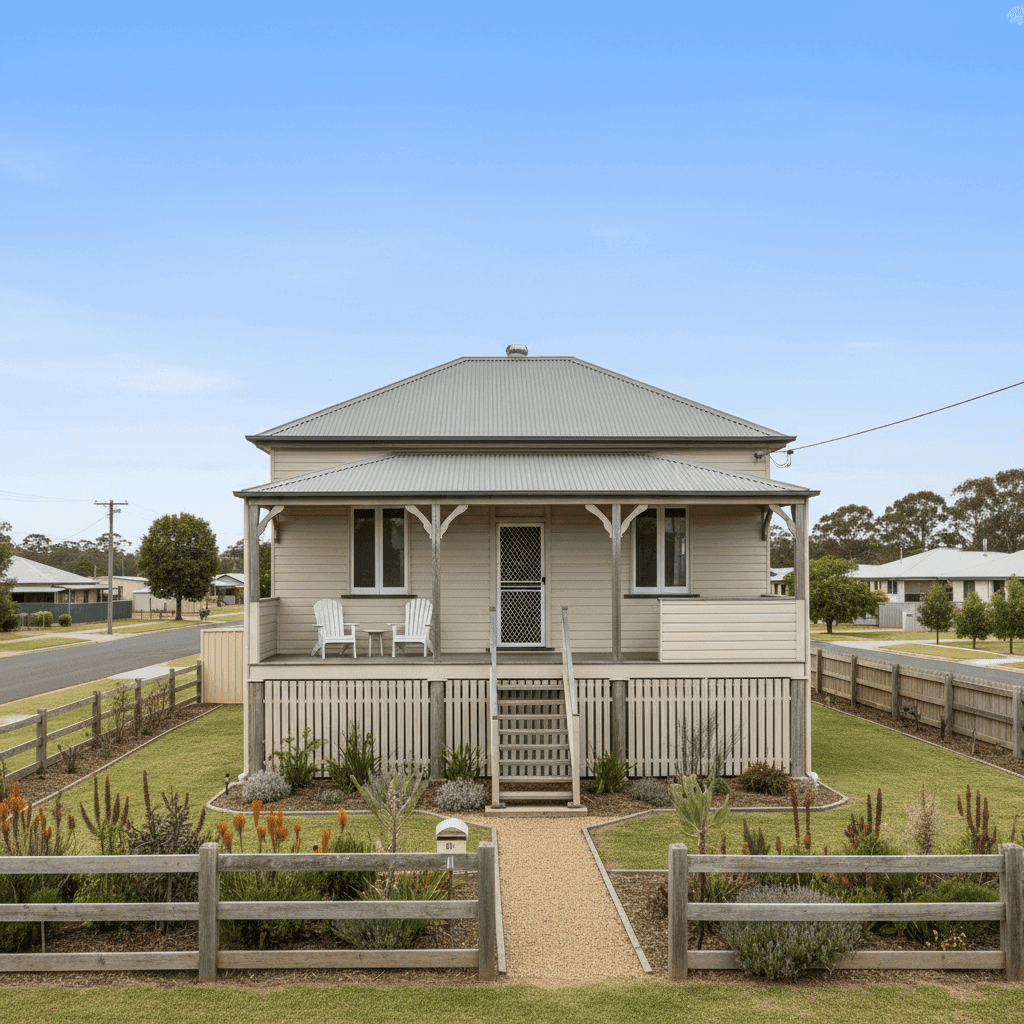
If you own a free standing home in Dalby, QLD 4405, you've probably noticed that home insurance premiums can vary quite dramatically depending on who you ask — and what your property looks like. This article breaks down a real home and contents insurance quote for a 3-bedroom, 1-bathroom weatherboard home in Dalby, compares it against suburb, state, and national benchmarks, and offers practical tips to help you get better value on your cover.
---
Is This Quote Fair?
The annual premium for this quote comes in at $4,402 per year (or $422 per month), covering a building sum insured of $659,000 and $60,000 worth of contents. The building excess sits at $5,000 and the contents excess at $1,000.
Our price rating for this quote is FAIR — Around Average, which is a reasonable outcome for a property in this area. Here's why.
Looking at the suburb-level data for Dalby (4405), the average premium across 102 quotes is $4,280 per year, with a median of $3,373. This quote sits just above the suburb average and well above the median, which tells us it's on the higher end of what most Dalby homeowners are paying — but not dramatically so. The 75th percentile for the suburb is $4,888, meaning roughly a quarter of properties attract premiums higher than this quote. So while it's not the cheapest option on the market, it's far from the most expensive either.
It's also worth noting that the building sum insured of $659,000 is a significant coverage amount for a 130 sqm home, which will naturally push the premium higher. If your rebuild cost estimate is accurate, this is appropriate — underinsurance is a serious risk — but it's worth double-checking that figure with a quantity surveyor or using an online building calculator.
---
How Dalby Compares
One of the most striking things about this quote is how it sits relative to broader Queensland and national data.
| Benchmark | Average Premium | Median Premium |
|---|---|---|
| Dalby (4405) | $4,280/yr | $3,373/yr |
| South Burnett LGA | $2,940/yr | — |
| Queensland | $9,129/yr | $3,903/yr |
| National | $5,347/yr | $2,764/yr |
The Queensland state average of $9,129 per year is eye-watering — a reflection of the state's exposure to cyclones, flooding, and severe weather events in many coastal and northern regions. Dalby, sitting inland on the Darling Downs, benefits from not being in a designated cyclone risk zone, which keeps premiums considerably more manageable.
Compared to the national average of $5,347 per year, this Dalby quote is actually below the Australian benchmark — a positive sign for homeowners in the region. The South Burnett LGA average of just $2,940 per year suggests that some nearby areas attract even lower premiums, though local property characteristics and coverage levels will always influence individual quotes significantly.
The wide gap between Queensland's average and median ($9,129 vs $3,903) reflects how dramatically high-risk postcodes — particularly in Far North Queensland — skew the state average upward. For most Dalby homeowners, the median is a more meaningful comparison point.
---
Property Features That Affect Your Premium
Several characteristics of this property have a direct influence on the premium quoted.
Weatherboard timber walls are a key factor. Timber construction is generally considered higher risk than brick veneer or double brick, as it's more susceptible to fire and pest damage. Insurers typically price this in, which can add meaningful cost compared to masonry alternatives.
Elevated foundation (at least 1 metre) is a double-edged sword. On one hand, elevation can reduce flood risk by keeping the living area above potential inundation levels — a real benefit in parts of Queensland that experience significant rainfall events. On the other hand, elevated homes can be more expensive to repair following storm or wind damage, and accessing the subfloor area adds complexity to any remediation work.
Steel/Colorbond roofing is generally viewed favourably by insurers. It's durable, fire-resistant, and performs well in high-wind conditions compared to older roofing materials like terracotta tiles or fibrous cement sheeting. This is a positive factor for the premium.
Construction year of 1985 means the home is around 40 years old. Older homes can attract higher premiums due to ageing electrical wiring, plumbing systems, and structural components that may be more prone to failure. Keeping up with maintenance and updating key systems where possible can help manage this risk.
Ducted climate control adds value to the contents and building, and its replacement cost is factored into the sum insured. It's an important inclusion — ducted systems can cost tens of thousands of dollars to replace.
Timber and laminate flooring throughout the home is another consideration. These floor types can be more susceptible to water damage than tiles, which may influence how claims are assessed and priced.
---
Tips for Homeowners in Dalby
1. Review your building sum insured regularly. With construction costs rising across Australia, many homeowners find their sum insured hasn't kept pace with actual rebuild costs. A 130 sqm home with a $659,000 sum insured may be appropriate, but it's worth validating this figure annually — especially as labour and material costs fluctuate. Underinsurance can leave you significantly out of pocket after a major claim.
2. Consider your excess settings carefully. This policy carries a $5,000 building excess, which is on the higher side. While a higher excess generally lowers your premium, it also means you'll need to cover more out of pocket before your insurer steps in. Make sure you have sufficient savings to cover this amount if you ever need to make a claim.
3. Maintain your weatherboard exterior proactively. Timber walls require regular painting and treatment to prevent rot, moisture ingress, and termite activity. Insurers may limit or deny claims related to gradual deterioration or pest damage, so staying on top of maintenance not only protects your home but keeps you on the right side of your policy's terms and conditions.
4. Shop around at renewal time. A FAIR rating means you're not being gouged, but there's still potential to do better. Insurers reprice policies regularly, and loyalty doesn't always pay. Use a comparison tool like CoverClub to benchmark your renewal quote against the current market before you commit.
---
Ready to Compare?
Whether you're renewing your existing policy or insuring a new purchase, it pays to see what the broader market is offering. At CoverClub, you can compare home and contents insurance quotes tailored to your property's specific features — including older homes, elevated foundations, and timber construction. Start comparing quotes today and make sure you're getting the right cover at a competitive price.