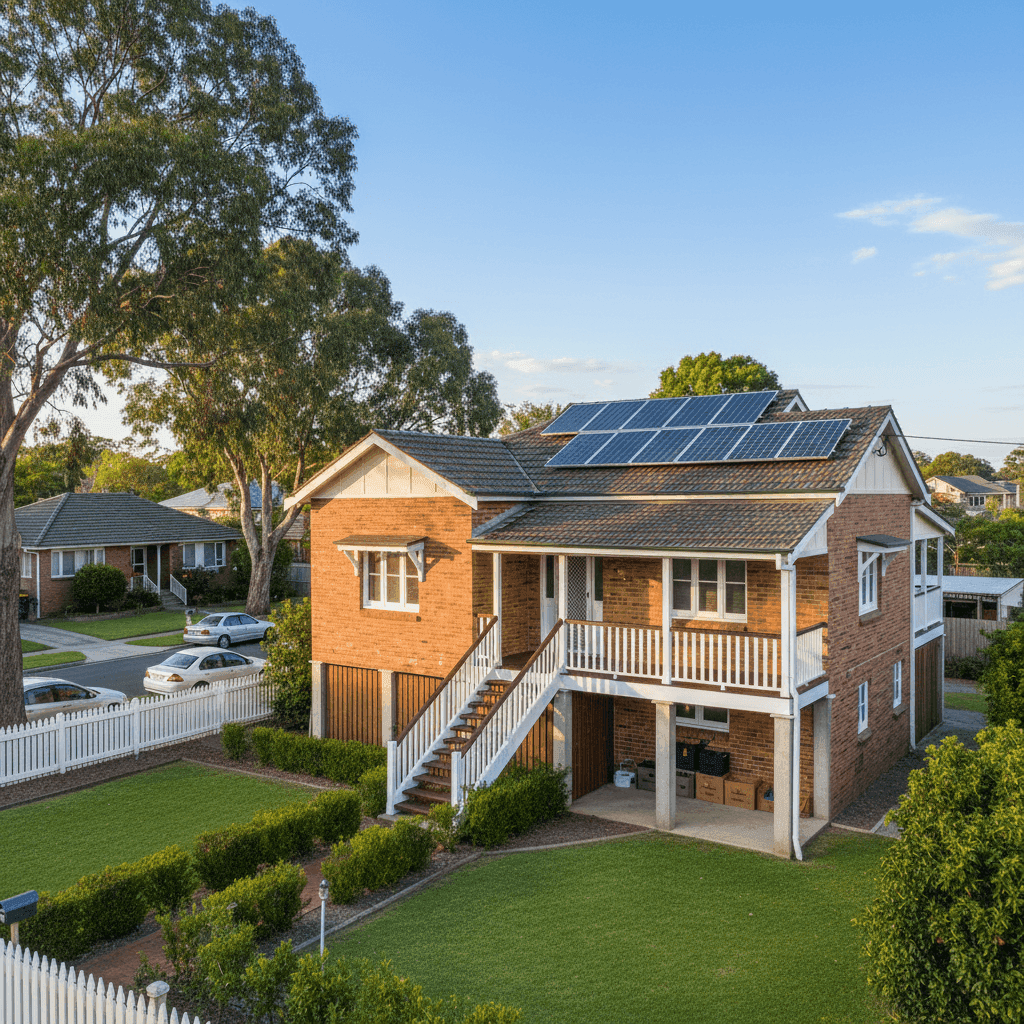
If you own a free standing home in Dandenong North, VIC 3175, you've probably wondered whether you're paying the right amount for home insurance — or whether you're leaving money on the table. This article breaks down a real home and contents insurance quote for a four-bedroom brick veneer property in the suburb, compares it against local, state, and national benchmarks, and offers practical tips to help you get better value on your cover.
---
Is This Quote Fair?
The quote in question comes in at $2,576 per year (or $247/month) for combined home and contents cover, with a building sum insured of $766,000 and contents valued at $249,000. Both the building and contents excess are set at $1,000.
Based on our pricing data, this quote is rated Expensive — above average for the Dandenong North area.
To put that in perspective: the suburb average premium is just $1,272 per year, and the median sits at $1,243. That means this quote is more than double what many Dandenong North homeowners are paying. Even at the 75th percentile — meaning only one in four quotes in the suburb is higher — the figure is $1,446/yr, still well below the $2,576 being quoted here.
That said, context matters. The sum insured on the building ($766,000) and the contents value ($249,000) are on the higher end, and several property features — discussed below — can push premiums upward. It's worth shopping around before accepting this figure at face value.
---
How Dandenong North Compares
Understanding where your suburb sits within the broader insurance landscape can help you gauge whether a quote is reasonable or inflated.
| Benchmark | Premium |
|---|---|
| Dandenong North suburb average | $1,272/yr |
| Dandenong North suburb median | $1,243/yr |
| LGA (Casey) average | $2,142/yr |
| Victoria state average | $3,000/yr |
| Victoria state median | $2,718/yr |
| National average | $5,347/yr |
| National median | $2,764/yr |
(Based on 31 quotes sampled in the Dandenong North suburb. View full [Dandenong North insurance stats](https://coverclub.com.au/stats/VIC/3175/dandenong-north) or explore [VIC state-wide data](https://coverclub.com.au/stats/VIC).)
Interestingly, while this quote sits well above the suburb average, it actually comes in below the Victorian state average of $3,000/yr and is broadly in line with the national median of $2,764/yr. You can explore national home insurance benchmarks to see how different regions stack up across Australia.
This tells an important story: Dandenong North is actually a relatively affordable suburb for home insurance compared to the rest of Victoria. Homeowners here benefit from lower-than-average risk profiles in many categories. If your quote is significantly higher than the suburb median, it's a strong signal to compare alternatives.
---
Property Features That Affect Your Premium
Several characteristics of this particular property are likely contributing to a higher-than-average premium. Here's what insurers are likely weighing up:
Brick Veneer Walls & Tiled Roof
Brick veneer construction is generally viewed favourably by insurers — it's durable and fire-resistant. A tiled roof similarly holds up well over time. These features typically keep premiums lower than, say, weatherboard or corrugated iron. So in this case, construction type is unlikely to be inflating the cost significantly.
Stump Foundation & Elevated Position
This property sits on stumps and is elevated by at least one metre. While elevation can reduce flood risk in some contexts, it also introduces additional structural complexity. Insurers may factor in the cost of repairing or replacing stumps and the elevated structure itself, which can push rebuild costs — and therefore premiums — higher.
Construction Year: 1979
Homes built in the late 1970s may have older wiring, plumbing, or roofing materials that increase the likelihood of a claim. Insurers often apply a loading to properties of this era, particularly if no significant renovations have been documented.
Solar Panels
Solar panels are a positive feature for sustainability, but from an insurance perspective, they add to the replacement cost of the building. Panels need to be covered under the building policy, and their value contributes to the overall sum insured — which at $766,000 is a significant figure.
Ducted Climate Control
Ducted heating and cooling systems are expensive to repair or replace and are typically included in the building sum insured. Their presence is another factor that can legitimately increase the rebuild estimate and, by extension, the premium.
High Sum Insured
Ultimately, a building sum insured of $766,000 is the single largest driver of the premium. This figure should reflect the full cost to rebuild the home from scratch — not its market value. If this figure has been set too high, it could be inflating the premium unnecessarily. It's worth using a building cost calculator to verify the estimate is accurate.
---
Tips for Homeowners in Dandenong North
1. Verify Your Sum Insured
The most impactful thing you can do is confirm your building sum insured accurately reflects your home's rebuild cost — not its real estate market value. Overinsuring can cost you hundreds of dollars a year in unnecessary premiums. Use an independent building cost estimator or speak with a quantity surveyor.
2. Compare Multiple Quotes
With a premium this far above the suburb median, comparing quotes from multiple insurers is essential. Different insurers price risk very differently, and you may find a policy offering similar or better cover for significantly less. Get a comparison quote at CoverClub to see what's available in your area.
3. Review Your Excess Settings
A $1,000 excess on both building and contents is fairly standard, but increasing your excess — say, to $2,000 — can meaningfully reduce your annual premium. Just make sure you're comfortable covering that amount out of pocket in the event of a claim.
4. Bundle Strategically, But Check the Maths
Many insurers offer discounts for combining home and contents cover under one policy. However, this isn't always the cheapest option. It's worth pricing them separately as well to confirm the bundle is actually delivering savings.
---
Start Comparing Today
Whether you're renewing your current policy or shopping for the first time, comparing quotes is the single most effective way to make sure you're not overpaying. CoverClub makes it easy to see how your premium stacks up against real data from your suburb and state.
Get a home insurance quote for your Dandenong North property and find out if you could be paying less — without sacrificing the cover you need.